

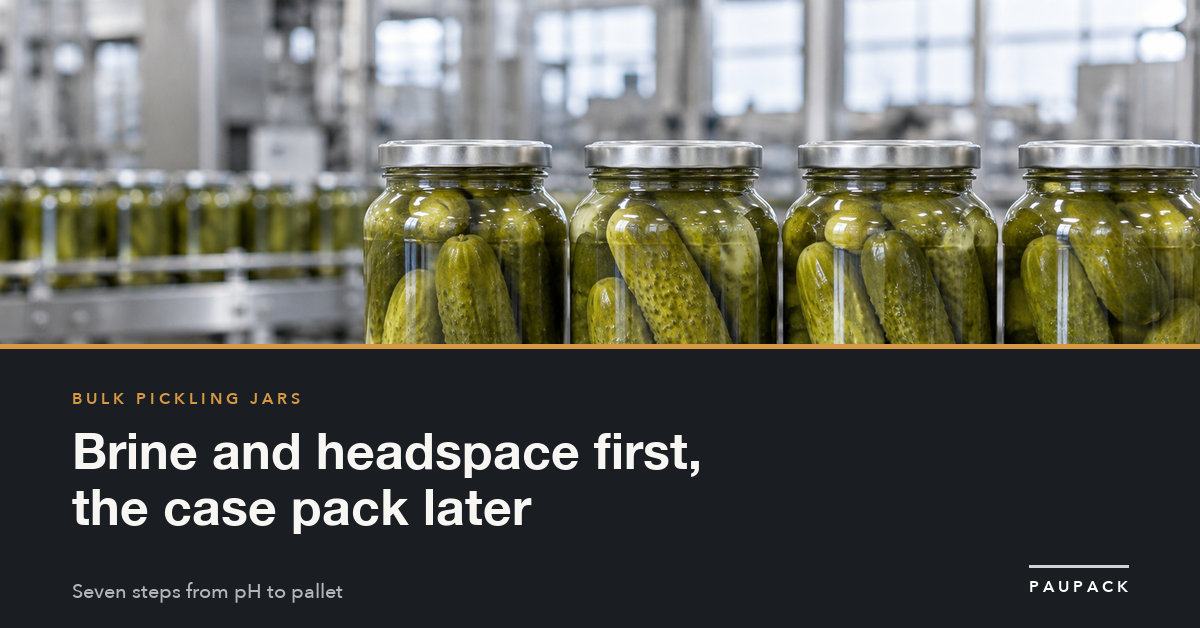
Bulk pickling jars are chosen by the process that fills them, and the photograph on the supplier page does not know anything about that process. A jar that seals beautifully with cold brine can buckle a lid when the same brine goes in at 88 degrees, and a liner that passes a water test can soften against vinegar within a month.
PauPack supplies pickling and preserving jars to food producers in Europe and North America, and the seven steps below are the order we work in. Follow them in sequence and the specification usually settles in one round. Skip step one and you will revisit every later decision.
Why Bulk Pickling Jars Are Judged by the Line, Not the Shelf
Three things happen to a pickling jar that do not happen to a decorative jar. It receives hot liquid. It is closed while the contents are still warm. It sits in a warehouse for months while the acid works on whatever it touches.
Those three facts drive the glass weight, the finish, the liner and the vacuum target. A supplier who quotes only a capacity and a price has answered a small part of the question.
Step 1 — Fix the Product Before the Jar
Write down the pH, the acid used, the fill temperature, the salt level and the intended shelf life. Acetic acid at pH 3.5 behaves differently from a lactic brine at pH 4.2, and the difference shows up in the liner rather than in the glass.
If the product is an acidified food, the process is regulated rather than optional. The 21 CFR Part 114 rules in the eCFR set out what an acidified food process has to document, and the FDA food guidance library carries the current versions of the related guidance. Read them before the jar discussion, not after.
Step 2 — Match Capacity to Fill and Headspace
Bulk pickling jars are sold in capacities that assume a fill volume, and the two are not the same number. A 500 ml jar is not filled with 500 ml of brine and produce; it takes roughly 440 to 470 ml with the headspace the vacuum needs.
Headspace is the part buyers most often get wrong on bulk pickling jars. Too little and brine rises into the seal during closing. Too much and the vacuum is weak, the lid holds less firmly, and the product can move in transit.
Step 3 — Choose the Closure and Liner Together
| Closure | Liner option | Where it suits |
|---|---|---|
| Twist-off lug | PVC-free plastisol, acid resistant | High-speed lines, standard pickle packs |
| Continuous thread | Plastisol or EPE with an acid barrier | Wider jars and premium ranges |
| Swing top with gasket | Silicone or natural rubber | Refrigerated, short shelf life, premium farm shops |
| Press-on metal | Plastisol, single use | Traditional preserves with a short distribution chain |
Ask for the liner data against acetic acid and the fill temperature you actually run. A generic statement that the liner is food grade answers a different question, and on bulk pickling jars the liner is where most seal failures begin.
Step 4 — Run the Thermal and Vacuum Test
Fill a small batch at production temperature, close at the specified torque, and let the jars cool naturally on the bench. Watch the lid button. Then hold the batch at 30 to 35 degrees for a week and inspect again.
What you are looking for is not one dramatic failure but a pattern: lids that have lost their concave profile, liners that weep at the edge, brine film under the seal. PauPack runs this test on every new project, because both faults are cheaper to fix before decoration than after.
Step 5 — Decide Decoration Against the Process
| Decoration | Through pasteurisation | Note |
|---|---|---|
| Fired-on organic ink | Holds | Best long-term choice for a printed jar |
| Acid-etched frosting | Holds | A surface treatment, so it cannot peel |
| Self-adhesive label | Holds, with care | Brine on the outside softens some adhesives |
| Metallising | Usually avoided | Keep it on the lid if the brand needs it |
Whatever you choose, run the decoration through the same heat cycle as the product. PauPack supplies decorated samples for the trial rather than plain jars, because a print that survives the lab but not the pasteuriser is still a failed print.
Step 6 — Case Pack, Pallet and Transit
The shoulder of a pickling jar is the thinnest part of the wall, and it is the part that carries the load in a stacked case. Divided cartons with a shoulder support cost a little more and reduce breakage noticeably, especially where the pallet travels by road.
Fix the case pack and the pallet pattern before the carton artwork is printed. A twelve-jar case that does not divide into the distributor's pallet footprint wastes a layer per pallet, and that cost repeats for the life of the product.
Step 7 — Plan the Reorder Before the First Run
Pickle production is seasonal in most markets, which makes reorder timing a specification item. Note the mould, the decoration batch and the liner lot on the project file, and keep a retained sample set with the fill and vacuum results.
PauPack holds those records with the project through the quality management process, so a run booked eight months later starts from the same numbers rather than from a photograph of a jar.
Choosing Between Threaded, Lug and Swing Top
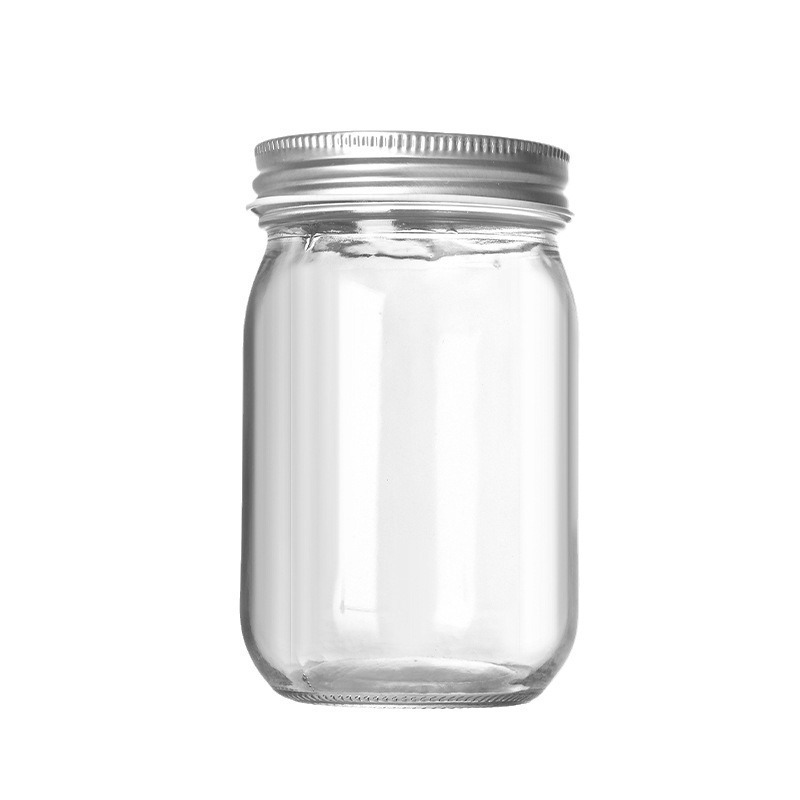
Lug closures dominate the category for a reason: they close fast, they release fast, and the machine that applies them is simple. Continuous thread wins where the jar is wide-mouthed and the customer opens it repeatedly.
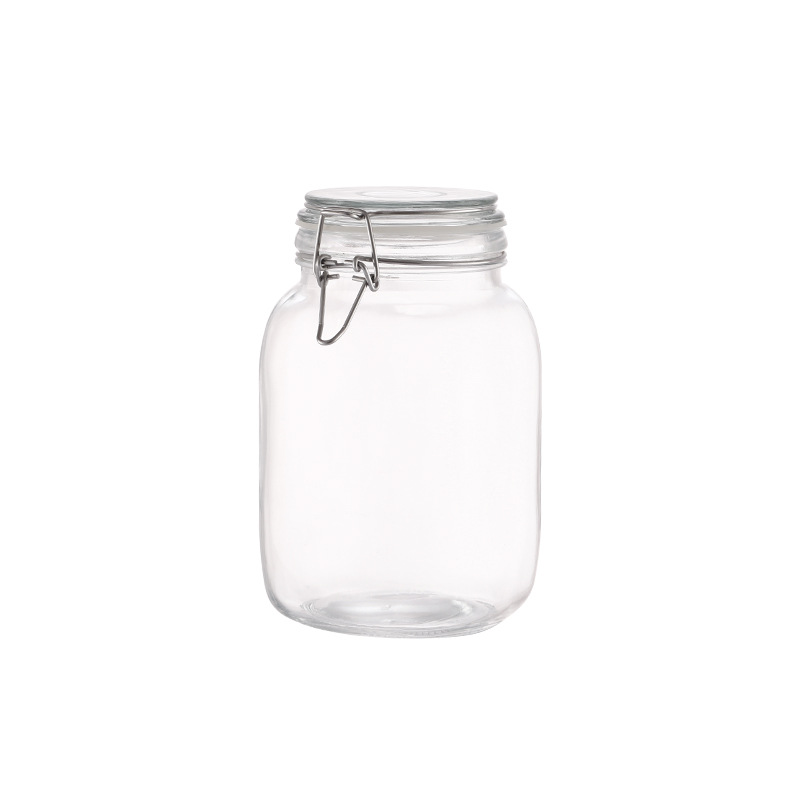
Swing tops sit in a different segment. They cost more per unit and are harder to automate, and in exchange they give a reusable container that suits refrigerated pickles and premium preserves. PauPack runs both, and the pickling jar range and the swing top bottle range show the formats side by side.
Common Faults and What They Look Like on the Line
Lids that buckle in the chiller usually mean too little headspace or too much torque. Brine weeping at the seal points at the liner. Brine that discolours after six weeks often has more to do with the produce and the salt level than with the jar, but the jar still gets the blame, which is why the retained sample matters.
Chipped rims cluster in two places: the filling line, where jars meet metal, and the carton, where the shoulder takes the load. Sectioning one chipped jar tells you which of the two it was, and PauPack asks for that sectioned jar whenever a customer reports breakage, because the answer is always visible in the break pattern.
What the Food Rules Require of the Pack
Glass that touches food is a food contact material, and the rules sit in FDA food ingredients and packaging rather than in the labelling chapter. Keep the declarations for the glass, the liner and any decoration ink in the same folder as the process record.
Practical note from production: the acid-etched frosting and the fired-on ink are the two decorations that survive a customer's dishwasher, and a jar that survives the dishwasher gets reused, which is free marketing for the brand that printed it.
How PauPack Samples a Pickling Order
PauPack ships a sample set that matches the intended production pack: the jar in the weight you will buy, the closure with the specified liner, the decoration applied to the correct surface, and a data sheet with the headspace and torque figures used in the trial.
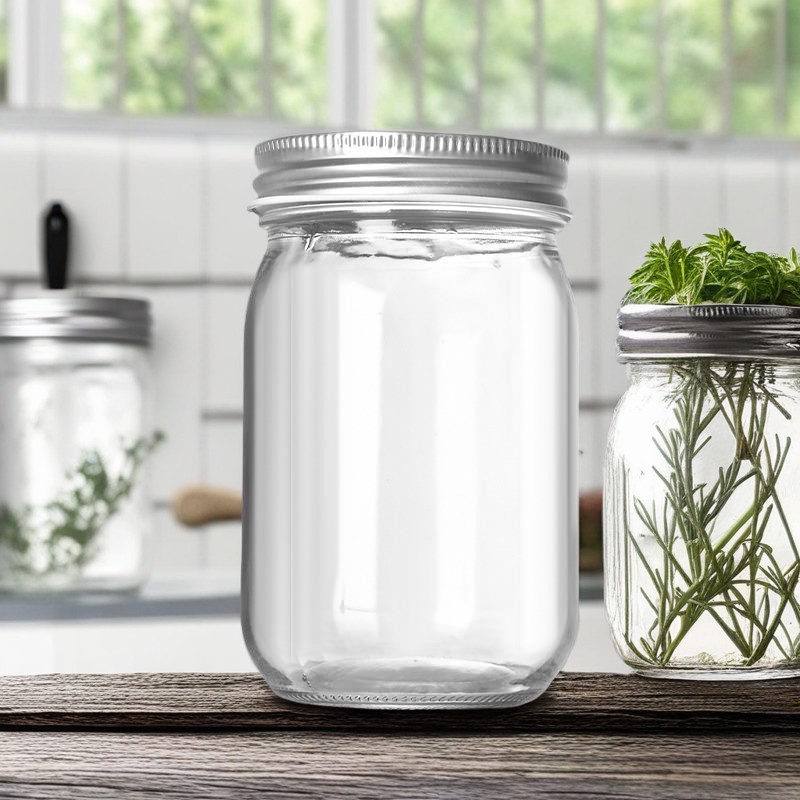
Send the product type, pH or acid level, fill temperature and annual volume, and the reply comes back with a jar and closure pairing rather than a catalogue link. Related reading includes the guide to jar capacity and sealing methods, the notes on glass versus plastic for food preservation, and the pickle jar sourcing overview.
The accessories supply service covers closures, liners and gaskets on the same order as the glass, and the food and beverage packaging range covers the wider jar and bottle programme. PauPack keeps bulk pickling jars, closures and carton notes in one project file, which is what makes the second season easier than the first.
Questions Buyers Ask About Bulk Pickling Jars
What should I check first when buying bulk pickling jars?
The product, not the jar. Acid level, fill temperature and whether the pack is processed or filled cold decide the glass, the closure and the liner. Brand owners who start from a photograph usually end up changing the jar after the first shelf-life trial.
Does jar thickness matter for pickles?
It matters more than most buyers expect. A heavier wall holds heat during filling and cools more slowly, which changes the vacuum the lid pulls. Thick glass also survives the temperature shock of hot brine better than a thin-walled decorative jar.
Which closure suits an acid product?
A twist-off lug or a continuous thread with a plastisol or acid-resistant liner is the common answer. The liner has to be specified against acetic acid and the fill temperature, because a liner that passes a water test can still soften against vinegar at 85 degrees.
How much headspace should a pickling jar have?
Enough for the vacuum to form without pulling brine over the rim. The working figure for most pickle packs sits around 6 to 10 percent of the jar volume, and it has to be confirmed on your own product because the fill temperature changes the number.
Can I use a swing-top jar for pickles?
Yes, and it suits refrigerated or short shelf-life products well. A swing top costs more per unit and is harder to run on a high-speed line, but it gives the customer a reusable container and reads as premium on a farm-shop shelf.
How do I test the vacuum before a bulk order?
Fill a small batch at production temperature, close at the specified torque, and check the lid button after cooling. Then hold the jars at 30 to 35 degrees for a week and look for buckling lids, weeping liners or brine under the seal.
What decoration survives pasteurisation?
Fired-on organic ink and acid-etched frosting hold up best. Self-adhesive labels survive the process but not always the shop shelf, because brine on the outside of the jar softens the adhesive. Test the decoration through the same heat cycle as the product.
What case pack should I specify?
One that fits the pallet pattern your distributor uses, and one that protects the shoulder where the glass is thinnest. Twelve jars in a divided carton is a common starting point. Confirm the pallet count and the layer pattern before printing the carton.
How long does a bulk pickling jar order usually take?
Stock moulds move fastest because only the decoration and closure are project work. A new jar profile adds tooling and a sample round. PauPack confirms which applies after seeing the jar drawing or an existing sample.
What does PauPack provide with a pickling jar order?
The jar, the closure, the liner and the decoration on one specification, with a retained sample set. PauPack also keeps the fill and vacuum test results with the project, so the next run starts from evidence rather than from memory.