

Bulk honey jars have to travel a long way from filling line to breakfast table. The buyer is balancing viscosity, headspace, spoon access, closure containment, label area, shelf presence, case protection and repeat-order cash. PauPack follows a jar from harvest story to packed shelf, so the packaging brief stays connected to the food, the line and the route.
Checkpoint 1: Describe the Honey
Record varietal or blend context, viscosity range, crystals or particulates, fill temperature, storage, shelf-life plan and markets. The product and regulatory owners decide the food-contact requirements; packaging records the conditions a jar and closure must tolerate. PauPack asks the bulk honey jars supplier to quote against this boundary rather than a generic “food grade” label.
Checkpoint 2: Use FDA Conditions of Use
The FDA's food types and conditions-of-use tables show why intended food, temperature and storage conditions matter when evaluating food-contact substances. They are a reference for qualified teams, not a blanket approval for a particular jar. PauPack records food type, process, storage and component identity so supplier evidence can be reviewed in context.
Checkpoint 3: Separate Five Capacity Numbers
Drawing capacity, overflow reference, target fill, labeled net quantity and usable spoon access answer different questions. Check headspace, filling accuracy, shoulder geometry, closure clearance and the visual fill line on production-relevant jars. A bulk honey jars project becomes easier to control when these numbers appear on the same brief.
The Harvest-to-Shelf Route Card
| Route point | Question | Evidence |
|---|---|---|
| Product | What food and process are represented? | Food brief and conditions |
| Jar | Which code, finish and lot are approved? | Drawing and identified sample |
| Closure | How is containment created? | Cap, liner, seal and settings |
| Filling | Can the line run cleanly? | Filled trial and observations |
| Label | Can legal and brand content fit? | Dieline and physical master |
| Route | How is the packed jar protected? | Golden case and distribution work |
Checkpoint 4: Match Finish and Closure
Identify cap, liner, seal, tamper feature and application method with the jar finish. Review torque or press setting, drip behavior, spoon contact, cleaning and reseal expectations under the intended line. PauPack prevents a cap selected separately from entering the commercial order as an unapproved substitute.
Checkpoint 5: Trial the Fill and Label
Use honey or a defined representative liquid in production-relevant jars. Record fill temperature, speed, splash, drip, closure application, label adhesion, code position, rejects and cleaning. The strongest bulk honey jars evidence links product behavior to line settings and sample identity rather than to a hand-filled demonstration.
Checkpoint 6: Design Spoon Access
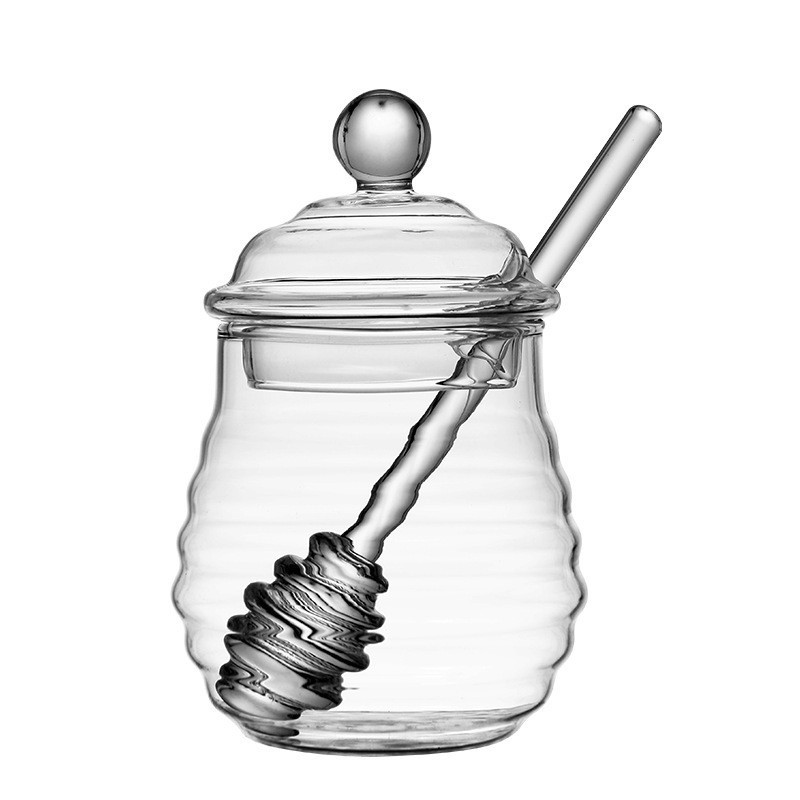
Review mouth diameter, shoulder, base stability, label grip, cap removal and the final usable portion. A wide jar may improve access while increasing glass weight and case cube; a narrow jar may save freight while frustrating the user. PauPack compares the whole shelf-ready system and writes the tradeoff into the decision record.
Checkpoint 7: Protect the Golden Case
Define jar orientation, divider, case count, pallet pattern, label exposure, code visibility and destination handling. ISTA's test-procedure overview helps qualified teams distinguish screening, simulation and development purposes. PauPack selects work around the complete packed product and intended route.
Checkpoint 8: Keep Food-Contact Evidence Current
Archive declarations, component codes, coatings, adhesives, supplier changes, lot records and the intended conditions reviewed. A new closure, label adhesive, coating or hot-fill condition can change the evidence boundary. PauPack records which review remains valid and which work must repeat.
Checkpoint 9: Price Replenishment, Not Just Glass
Show jar, cap, liner, seal, label, carton, setup, inspection, packed loss, freight, spares and residual inventory. Compare shared components across sizes and seasonal labels. PauPack may recommend a stock jar for downside demand or a custom silhouette when the range, margin and forecast justify it.
Checkpoint 10: Hand Receiving a Clear Rule
Receiving needs approved code, lot, case identity, critical visual references, sampling plan, quarantine triggers and escalation. Keep one filled jar and packed case as the golden reference. PauPack connects the food and beverage range, quality process and reorder file.
Read the Jar Through the Filling Window
Honey may arrive cold, warm, clear, crystallized or blended, and each state can change filling and closure observations. Record product temperature, line speed, nozzle behavior, drip, headspace and cleaning between runs. PauPack does not turn one ideal filling condition into a universal claim. A useful trial explains the conditions that produced a clean jar and the limits that require another review.
Use a Closure Failure Tree
If a jar leaks, check cap seating, liner compression, finish damage, thread mismatch, seal placement, torque or press setting, product on the sealing surface and case compression. Preserve the unit and compare it with accepted controls before assigning a cause. The bulk honey jars file should show which branch was investigated and which evidence supported the corrective action.
Make the Retail Moment Part of Qualification
Ask a representative user to remove the cap, spoon or pour the honey, reseal the jar and place it back on a shelf. Observe grip, label readability, drip, stability, lid storage and access near empty. PauPack records user observations separately from regulatory or line conclusions. A jar can be efficient on the filler and frustrating at breakfast, so both moments belong in the commercial decision.
Build a Seasonal and Export Variant Map
Different honey origins, label languages, gift cartons or seasonal colors may share glass while changing artwork, adhesive, case and forecast. Mark common components, variant codes, minimums, setup, residual stock and evidence to repeat. PauPack keeps the golden jar and case linked to the variant so a new market does not quietly inherit an outdated label or closure assumption.
Review the First Reorder as Evidence
Compare planned and actual jar use, breakage, filling loss, label yield, packed damage, receiving deviations, response time and residual inventory. Update the brief and next-order assumptions. The bulk honey jars program becomes stronger when each order teaches the team something about product condition, closure control, case protection or demand, rather than simply repeating the prior quantity.
Trace the Label From Artwork to Case
Record artwork version, legal copy owner, barcode or lot-code position, adhesive, label roll direction, application surface and carton contact. Check readability after filling, wiping, refrigeration or handling as appropriate for the route. PauPack keeps the approved label master with the jar and closure record, preventing a last-minute artwork export from becoming the only source of truth.
Compare Stock and Custom Scenarios
A stock jar can protect launch timing and downside cash, while a custom shoulder, base or cap may support differentiation across a larger forecast. Show tooling, setup, minimums, lead time, residual inventory and evidence to repeat for each scenario. PauPack presents the tradeoff to purchasing and brand owners together. The decision is stronger when the commercial reason for uniqueness is written beside the operational cost.
Schedule the Reorder Gate
Set the review date before the first case ships. Bring actual demand, component balance, receiving deviations, customer feedback, line performance and supplier response into the meeting. Decide whether to repeat, correct, redesign or qualify a second source. PauPack links the next order to the golden case and current inspection rule, so the team can move quickly without turning a rushed reorder into a silent specification change.
Include the commercial owner, quality lead and line supervisor in that gate. A short, shared decision prevents another department from changing the pack after approval.
Ask PauPack for a Harvest-to-Shelf Plan
Send honey profile, fill target, finish, closure, seal, label, line, markets, forecast, destinations and timing. PauPack can compare bulk honey jars through food-contact conditions, filled-line evidence, spoon access, packed protection and repeat-order control.
Frequently Asked Questions
What should buyers check when ordering bulk honey jars?
Check glass identity, fill, neck and closure, food-contact conditions, sealing, label panel, packing, inspection and reorder terms.
Does food-safe glass remove the need for review?
No. The complete food-contact system and intended conditions still need qualified review and supplier documentation.
Why does honey viscosity matter?
Viscosity affects filling, headspace, drip behavior, closure cleaning, label contact and line speed.
Should the cap be tested with the jar?
Yes. Jar finish, liner, cap, torque or application route create the containment system together.
What fill information should be recorded?
Separate nominal capacity, overflow reference, target fill, net quantity, headspace and filling tolerance.
How can brands compare jar shapes?
Compare spoon access, label area, shelf stability, case cube, pallet pattern, breakage exposure and visual range fit.
What does a golden case include?
Include filled jar, cap, seal, label, code, carton, divider, count and orientation as the approved sellable reference.
When should food-contact evidence be revisited?
Revisit it after changes to product, process, glass, coating, closure, liner, supplier or intended storage condition.
How should receiving handle a suspect jar?
Quarantine it, record lot and case identity, photograph the condition and escalate against the current inspection instruction.
What should a honey brand send PauPack?
Send honey profile, fill target, closure, seal, label, markets, forecast, line constraints and launch timing.