

Understanding Bottle Packaging: A Comparison of Plastic and Glass
When it comes to packaging, choosing between plastic and glass bottles can significantly affect the attractiveness of the product and its impact on the environment. For industries that produce skin and body care lines, packaging is just as important as in-house formulations. That's why it's crucial to examine the differences in bottle packaging comparisons and how factors such as sustainability, functionality, and aesthetics play a role.
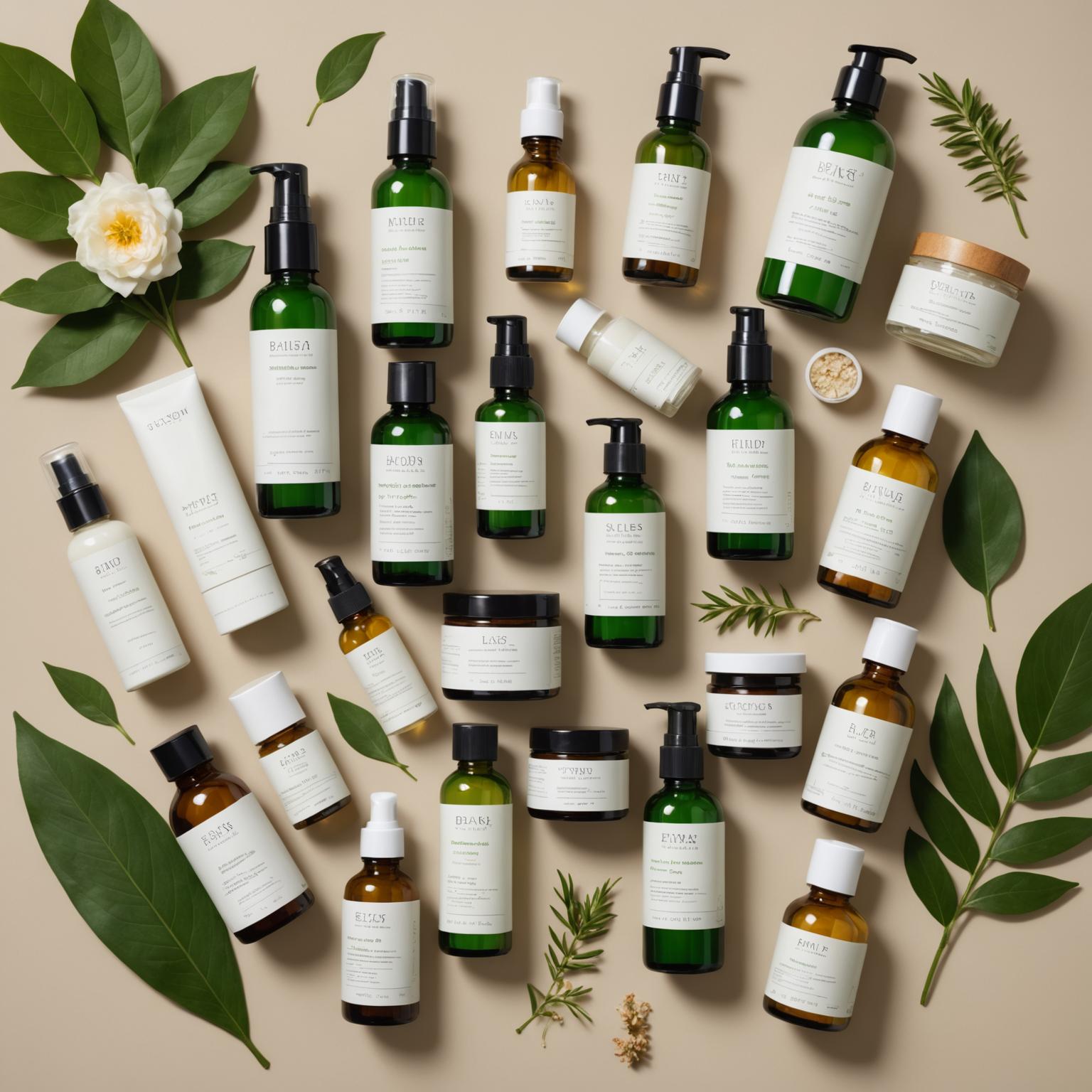
The intersection of function and responsibility often centers on one key point: sustainable packaging. As the demands of eco-conscious consumers change, businesses are now facing higher expectations for eco-friendly packaging solutions. For products such as the Dal Lé Botanical Infusion Cleanser or the Bravate Hydrating Lotion, the choice of materials reflects both the brand's ethos and its contribution to sustainability.
Plastic bottles: light weight and wide range of applications
Plastic bottles are a ubiquitous packaging choice due to their lightness and versatility. Due to their affordability and ease of production, they are widely used in industries such as beauty and personal care. For targeted treatment products such as T.Yan Lē Elixir and Sodrille Skin Serum, plastic pump bottles allow for controlled use, minimizing waste during use.
Additionally, plastic bottles can be molded into a variety of shapes and sizes, giving brands the creative freedom to make their products stand out on retail shelves. However, this convenience often comes with environmental costs. Plastics often come from non-renewable resources, and if not properly managed, they can contribute to global pollution, especially in the oceans. While recyclable plastic does exist, actual plastic recycling rates remain depressingly low in most areas.
The challenge is to strike a balance between functional and ecological considerations. Many brands, including those that offer clean beauty lines such as botanical cleansers and deep rejuvenating masks, are turning to biodegradable or recycled plastics as a stepping stone towards more sustainable practices.
Glass bottles: timeless design, excellent preservation
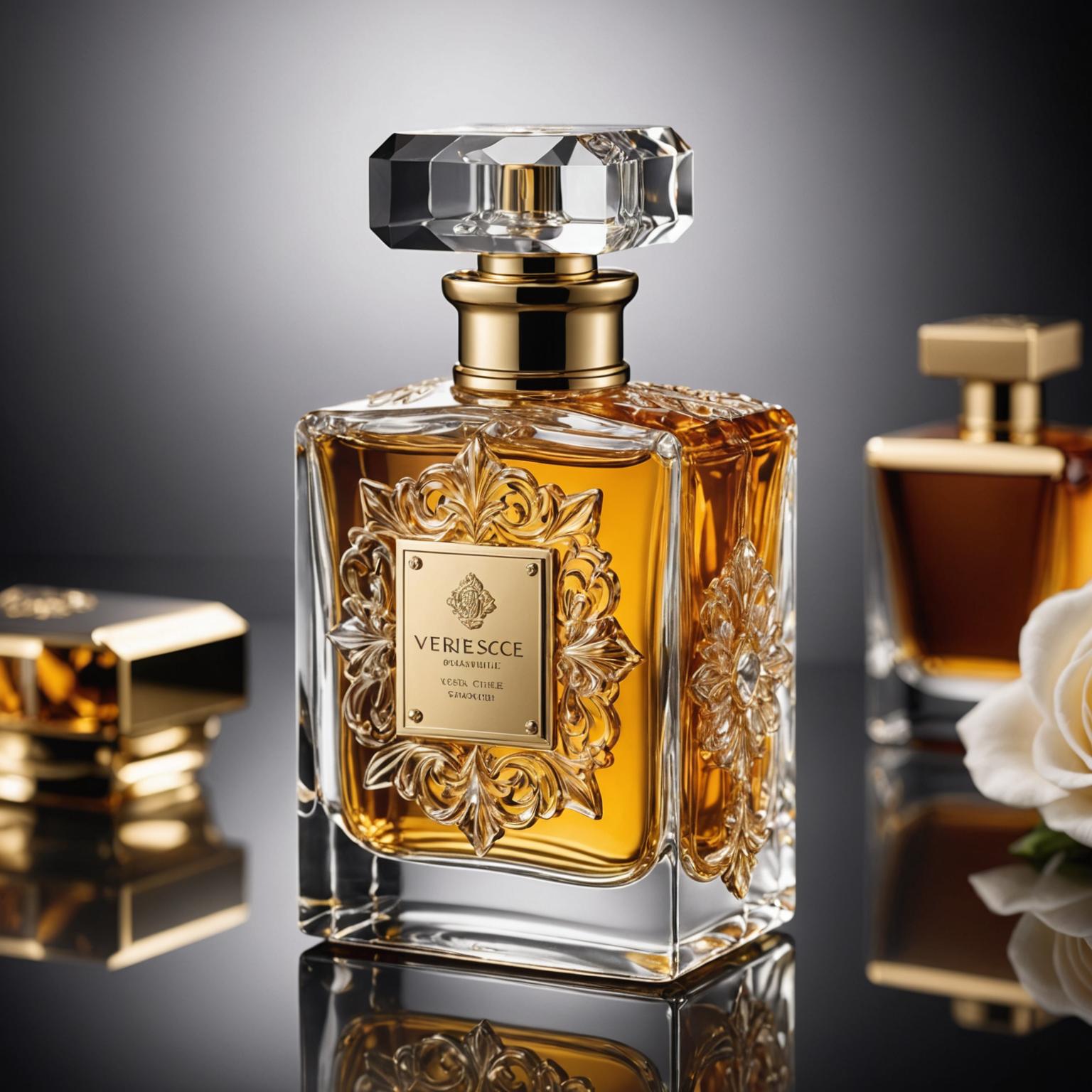
On the other hand, the glass bottle represents elegance and a certain timelessness that resonates well with high-end consumers. For example, stylish jars and bottles in the botanical skincare line that come with exfoliating powders or overnight renewal masks provide an immediate sense of quality and enhance the overall consumer experience.
Glass is an inert and non-toxic material, making it an excellent choice for maintaining the quality of your skincare products. Botanical elixirs, moisturizing lotions, and other formulations that rely on plant-derived active ingredients retain their efficacy for a longer period of time when stored in glass containers. Glass bottles also fit perfectly with the ethos of sustainable packaging, as they are infinitely recyclable and their production, although energy-intensive, does not release microplastics into the environment.
However, glass also has its drawbacks – its weight and fragility. These attributes increase shipping costs and the likelihood of breakage. For products like Crēm & Sécret's overnight renewal masks, which cater to consumers looking for a sense of indulgence and environmental responsibility, brands sometimes need to compensate for these challenges by enhancing packaging technology or encouraging customers to recycle programs.
Sustainable packaging: striking a balance
Sustainable packaging isn't just a buzzword; This is a commitment to solving the environmental problems caused by traditional packaging materials. As more customers become aware of the carbon footprint of their purchases, the demand for eco-friendly solutions continues to grow. In the world of skincare and wellness, botanical brands that focus on sustainability, such as those that offer moisturizing heroes, such as the Dall E Balancing Cream, often blend beauty with responsibility in their packaging choices.
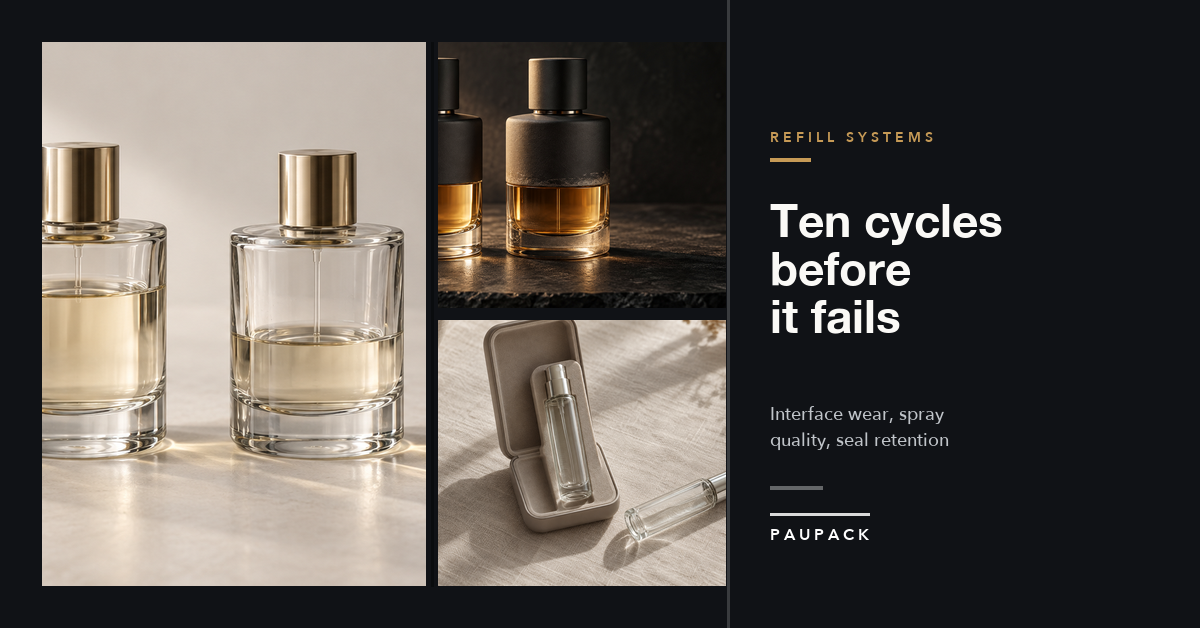
An effective approach is to adopt a hybrid mode, where glass is used for high-end, long-term products, while plastic is used for items that are suitable for travel and functionality. Another trend is to invest in refillable packaging. Consumers can buy a moisturizing lotion with a chic glass bottle and then purchase a refill packaged in an eco-friendly bag.
In addition, the brand has incorporated aesthetics into its sustainable packaging program. The eco-friendly collection's minimalist green and white hue caters to design-savvy and eco-conscious consumers. Functional elements such as ergonomic pumps and recyclable bath materials only enhance their appeal.
Innovative trends shaping the future of packaging
In addition to glass and plastic, the future of bottle packaging is full of exciting innovations. Some skincare brands have begun experimenting with bioplastics from renewable sources such as cornstarch, which break down much faster than traditional plastics. In addition, lightweight compressed glass technology is being used to address the weight and fragility issues typically associated with glass bottles.
One notable trend is the rise of biodegradable coatings and label materials, ensuring that every aspect of packaging is thoughtfully designed. Imagine a complete sustainability journey with a product like a bamboo and rice-inspired exfoliating powder that is environmentally conscious down to the smallest detail.
Finally, the shift to eco-friendly packaging isn't just good for the planet; It's a great marketing strategy. Highlighting a brand's commitment to sustainability can add value in the eyes of consumers and build loyalty among those who prioritize eco-responsibility.
Choose the right packaging for your brand
Choosing between plastic and glass bottles isn't just about material preference, it's about aligning each choice with brand values, product purpose, and customer expectations. These considerations become even more important for personal care collections that are inspired by nature and committed to sustainable living, such as the curated botanical line mentioned here.
While plastic bottles have practicality, the appeal of glass bottles in terms of maintaining product efficacy and luxury should not be underestimated. By integrating sustainable packaging practices, from using recyclable or biodegradable materials to launching refill systems, brands can make a positive impact while remaining competitive in a conscious market.
Essentially, effective packaging represents the promise of a brand. Whether it's through the clean, minimalist aesthetic of the Dall E botanical line, or the obvious innovation in masks and serums, thoughtful packaging choices resonate throughout the customer experience. Going forward, the most successful practices will adopt sustainable innovation without compromising quality or aesthetics.
PauPack: Sustainable Skincare Packaging Solutions
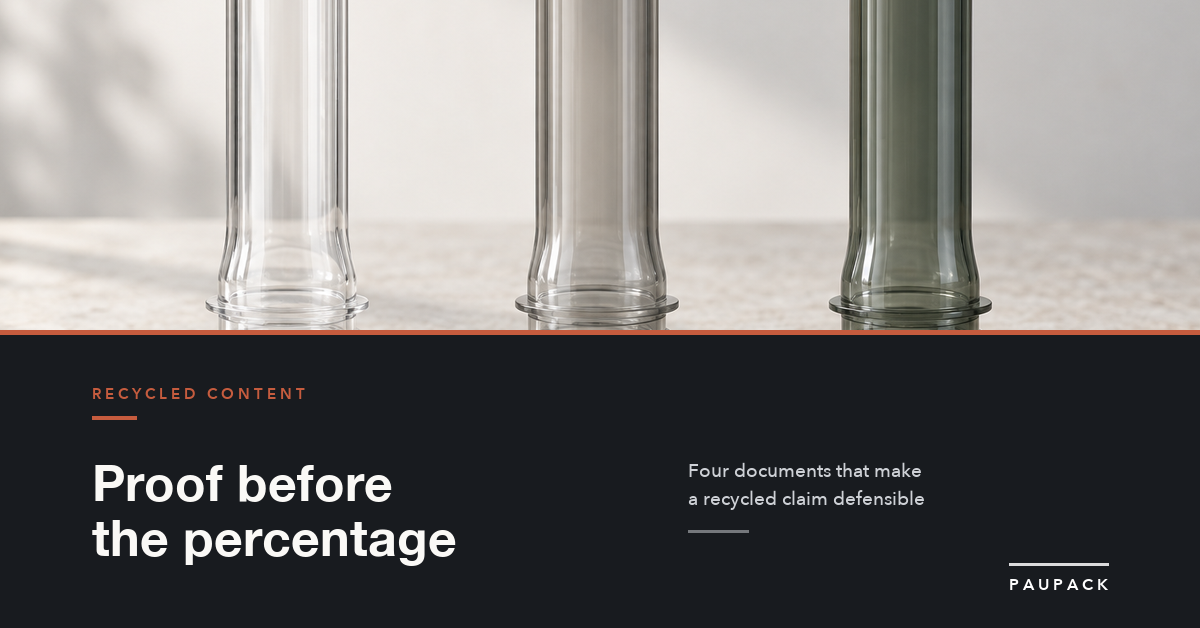
PauPack specializes ineco-friendly, premium PET PCR bottles, offering skincare brands a perfect blend of sustainability and aesthetics. Made from recycled PET plastic, these bottles reduce carbon footprints while maintaining a high-end appearance.
Withadvanced recycling technology, our packaging meets industry standards and supportscustom finisheslike silk-screen printing, hot stamping, and matte textures to enhance brand identity.
Partner with PauPack to createluxurious, sustainable skincare packagingand drive the industry towards a greener future.