

Beverage packaging quality inspection is most useful when it follows the package from empty components to the released pallet. PauPack uses six checkpoints so buyers can see what was inspected, when it was inspected and which evidence authorizes shipment.
Checkpoint 1: Confirm Component Identity
Match bottle, closure, liner, label and carton codes with the approved specification. Record lot references and sample quantities. PauPack's food and beverage packaging provides category references, but the order-specific control file defines acceptance.
Checkpoint 2: Inspect Empty Bottles and Closures
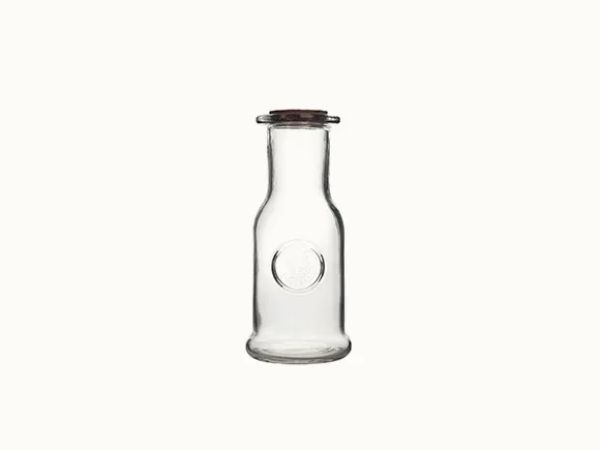
Use defined lighting, handling and measurement methods for critical glass, finish and closure features. Separate cosmetic observations from functional defects. Sampling and acceptance plans should be set by the responsible quality team for the product and order risk.
Checkpoint 3: Verify Assembly and Filling Conditions
Record bottle handling, target fill, headspace, closure application, coding and line settings. The product owner should define process, compatibility and food-contact requirements with qualified input. PauPack's sample testing guide helps connect pre-order trials to production checks.
Checkpoint 4: Examine Filled-Package Performance
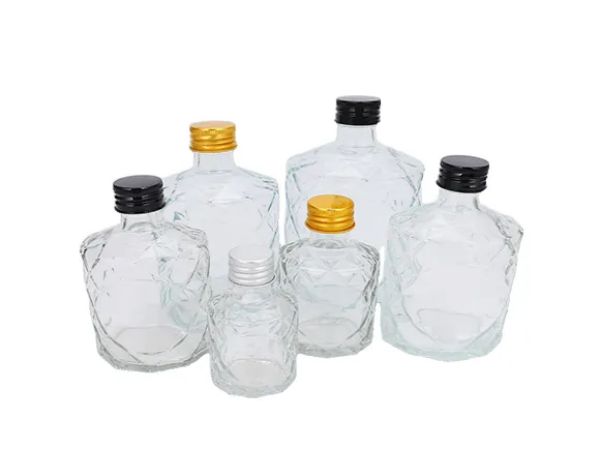
A sound beverage packaging quality inspection checks visible leakage, closure engagement, fill presentation, label readability and defined functional observations. Use identified samples and agreed conditions; do not convert a single observation into a universal product claim.
Checkpoint 5: Inspect the Distribution Pack
Check unit orientation, dividers, cap clearance, bottle contact, case strength, labels, marks and pallet arrangement. PauPack's quality management approach treats carton evidence as part of finished release rather than an afterthought.
Checkpoint 6: Close Deviations and Release the Lot
Describe the issue, affected quantity, disposition, corrective action, reinspection and retained evidence. Final release authority should be explicit. Keep passed and failed references when practical and link them to the report.
| Checkpoint | Primary record | Release question |
|---|---|---|
| Identity | Component codes | Is this the approved system? |
| Filled pack | Functional observations | Does it meet written criteria? |
| Pallet | Packing record | Is shipment authorized? |
PauPack's services, design support and quality checklist support the sequence. PauPack completes beverage packaging quality inspection when the released pallet can be traced to approved components, conditions and records.
Frequently Asked Questions
Who sets beverage packaging acceptance criteria?
The responsible product and quality teams should define criteria using applicable requirements and qualified input.
Should cosmetic and functional defects be separated?
Yes. Define each defect class and its disposition before inspection begins.
Does carton inspection belong in final release?
Yes. The packed system should be checked against its approved orientation, dividers, marks and pallet plan.
What closes a quality deviation?
Document scope, cause review, disposition, corrective action, reinspection and release authority.