

Tincture projects are usually quoted before they are specified. A herbal extract brand picks a 30 ml amber bottle from a supplier photo, asks for a price, and approves whatever sample arrives. Weeks later the dropper delivers less than the dose printed on the label, or the liner inside the cap has swollen in a 60 percent alcohol extract. Neither is a manufacturing fault. Both are lines missing from the quotation.
This article is that missing document, field by field. Buyers comparing tincture bottles wholesale offers are often shown the same stock amber bottle at three different prices, and the difference sits in eleven specification fields that rarely appear on the page. PauPack works through the same eleven fields with herbal, supplement and pharmacy customers.
Why a Quote Sheet Beats a Price List
A price list answers one question: how much per piece. A quote sheet answers the questions that decide whether the piece works at all. When one supplier quotes a 30 ml amber bottle lower than another, the gap is rarely margin. It is glass weight and wall control, whether the pipette is calibrated, whether the liner is specified for alcohol contact, and whether a certificate travels with the shipment.
The sheet also protects the second order. Once the eleven fields are agreed and signed, a supplier cannot quietly swap a mould, a liner or a carton board. Where the sheet stays silent, the reorder becomes a new project with new risks.
Field 1 — Capacity, Fill Volume and the Dose the User Measures
Nominal capacity is a mould size, not a promise about how much extract ships in the bottle. Tinctures are filled to a target volume that leaves headspace for the dropper assembly and for movement during transport, so a 30 ml bottle typically holds less than 30 ml of liquid. Any tincture bottles wholesale enquiry should open with the fill volume, the tolerance and the dose the label will advertise.
| Nominal size | Typical fill volume | Common retail role | What to confirm |
|---|---|---|---|
| 15 ml | 12 to 14 ml | Trial and travel size | Pipette length against fill depth |
| 30 ml | 25 to 28 ml | Core retail size | Dose count over the bottle life |
| 50 ml | 42 to 47 ml | Value size | Bulb suction at low fill |
| 100 ml | 85 to 95 ml | Professional and refill use | Pour control and cap torque |
Ask for capacity as a measured figure with a tolerance rather than a catalogue number. Two moulds described as 30 ml can differ by several millilitres, and that gap becomes a labelling problem.
Field 2 — Glass Colour and How Much Light the Extract Tolerates
Amber, cobalt, green and frosted glass all change how much light reaches the liquid. For light-sensitive botanicals that matters; for a stabilised formula in a carton it may matter far less. Dark glass reduces exposure without removing it, so treat colour as one control among several.
Practical decisions sit alongside the technical one. Frosted and coated surfaces show fingerprints differently on a retail shelf, and some decoration methods limit how dark a glass can go while still showing the fill level. PauPack asks for the stability data the brand already holds before recommending a colour for tincture bottles wholesale programmes, because the cheapest way to protect an extract is often the carton rather than the glass.
Field 3 — Neck Finish, Thread and the Sealing Land
The neck finish is the geometry the closure screws onto. Two bottles sold under the same nominal neck size can still differ in thread depth, rim flatness and the width of the land that the liner presses against. Those differences decide whether the pack holds torque after a hundred openings in a bathroom cabinet, so the finish belongs on every tincture bottles wholesale drawing.
Add the two tolerances that matter most for sealing: the diameter of the sealing land and the height available under the cap for the dropper collar. If a child-resistant closure may be introduced later, note that now, because a collar changes the height budget inside the cap.
Field 4 — Dropper Assembly and Drop Calibration
The dropper is where a tincture bottle becomes a dosing device. Drop size depends on the liquid surface tension, the alcohol and water ratio, the bore of the glass tube, the softness of the bulb and how the user squeezes. A pipette that behaves perfectly in water can deliver a heavier drop in a 60 percent ethanol extract.
| Assembly | How the dose is controlled | Typical fit | Verify on samples |
|---|---|---|---|
| Glass pipette with rubber bulb | Drop count and graduations | Retail herbal tinctures | Dose at full, half and low fill |
| Screw dropper with collar | Fixed dose, tighter closure fit | Regulated markets | Complete package closure test |
| Orifice reducer with cap | Pour rate and drop formation | Bulk and dispensing use | Orifice diameter and leak path |
Calibration belongs on the sample report of any tincture bottles wholesale order. Record the extract used, the temperature, the number of drops per millilitre and the volume recoverable at the end of the bottle. PauPack keeps the pipette, bulb, bottle and closure from the approved sample together so a later order can be compared against a physical reference instead of a description.
Field 5 — Liner, Seal and Where the Leak Actually Starts
Most leaks found in tincture bottles wholesale shipments are not pouring accidents. They travel through the thread, which means the seal between the liner and the sealing land has failed. Foam, pulp and coated liners respond differently to ethanol, and a liner that performs well with an oil can lose compression in an alcohol-based extract.
Specify the liner material, its thickness and its supplier reference, then test the assembled pack inverted, on its side and after a spell at elevated temperature. Record the application torque, because a liner only seals inside a torque window, and both under- and over-tightening open that window.
Field 6 — Filling Line Fit, Foam and Fill Temperature
A bottle that looks right on a bench has to survive the filling line. Nozzle clearance, conveyor guide height, the capper head and the label applicator all assume a specific bottle height and diameter, and glass tolerances accumulate along the line. PauPack sends the drawing to whoever owns the filler before it is approved.
Alcohol-based extracts also foam. Fill temperature changes viscosity and how quickly the foam collapses, which changes how much headspace the filling head leaves. PauPack asks for the filling temperature and the target accuracy so bottle and line are specified together.
Field 7 — Formula Contact and the Shelf-Life Window
Glass is chemically durable, but a tincture pack is not only glass. The extract touches the pipette, the bulb, the liner and the cap, and those materials can release substances or absorb flavour. Higher alcohol content and essential oils usually increase the stress on every non-glass component.
Define the contact window the pack has to survive: the shelf life the label claims, plus a margin for distribution and storage in a warm market. A filled, inverted storage trial at accelerated conditions is the cheapest way to find a liner or bulb problem before production does.
Field 8 — Label Panel, Decoration and the Shipper
Decoration is usually the longest lead-time item on a tincture bottles wholesale order and the easiest to get wrong. Screen printing, frosting, coating and self-adhesive labels all need a flat or cylindrical area of a defined size, and a curved shoulder can steal the space the artwork assumes. Ask for the printable panel dimensions, not a percentage.
Then work outwards to the shipper. The unit carton, the divider and the master case decide how the bottles arrive. PauPack treats the shipper as part of the specification, because a pack that leaks on the way to a distributor is not finished, whatever the drawing says.
Field 9 — Testing Method, Certificate and COA
Ask which test, not only which result. A capacity figure means little without the method, and a leakage result means little without the fill level, the assembly torque and the time the pack spent inverted. For pharmaceutical and supplement customers, regulator guidance on container and closure systems frames what the file should contain.
A workable record includes dimensional checks against the drawing, measured capacity, closure application and removal torque, drop count, leakage after storage and the decoration check. The certificate of analysis should name the part, the lot and the criteria, and the approved sample should be retained, so any claim can be traced back to a measurement rather than a memory.
Field 10 — MOQ, Lead Time and Sample Milestones
For tincture bottles wholesale buyers, minimum order quantity and lead time are not single numbers; they move with every decision on the sheet. A stock amber bottle in a standard finish reaches production faster than a custom colour, and a decorated bottle needs a print run that raises the minimum. The useful question is how each option changes both numbers.
Break the schedule into milestones: sample request, sample approval, decoration proof, bulk production, inspection and freight. Buyers who track the approval steps rather than the total protect the launch date better, because that is where projects wait. PauPack confirms the sample in writing before decoration begins.
Field 11 — Export Markets, Labelling Rules and Payment Terms
The destination market sets constraints that feed back into the sheet. Child-resistant packaging rules, label content requirements and unit-of-sale conventions differ between the United States, the European Union and other regions, and they can change the closure or the artwork after the glass has been chosen. Confirm the market early.
On the commercial side, agree the Incoterm, the documents that travel with a tincture bottles wholesale shipment, and what happens if inspection finds a deviation. A packing list, a certificate of analysis and a certificate of origin are routine, but who arranges them and when they are issued should be written down, along with the payment schedule tied to each milestone.
How PauPack Works Through the Sheet With You
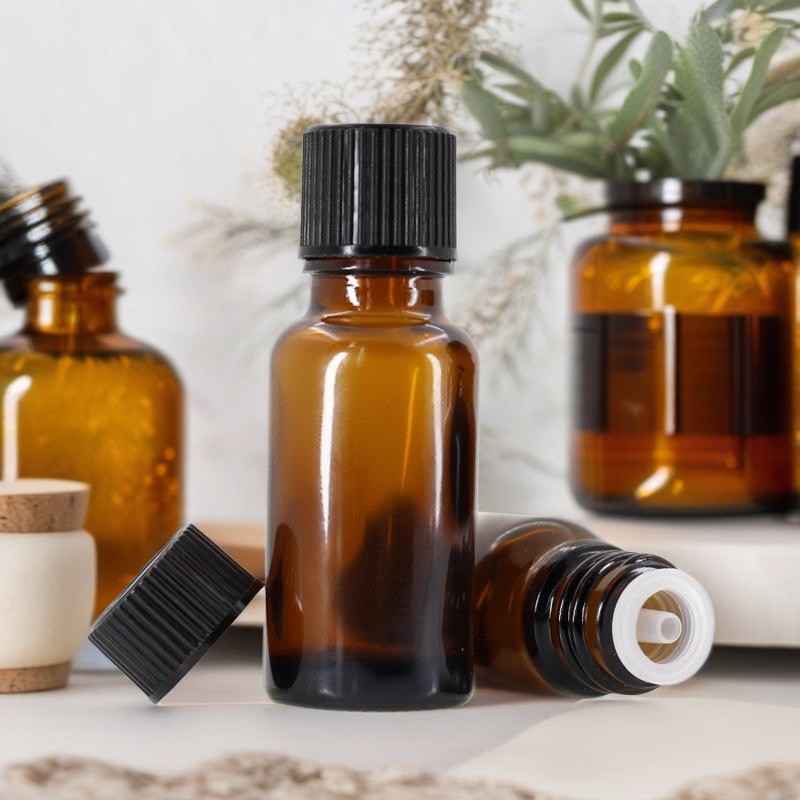
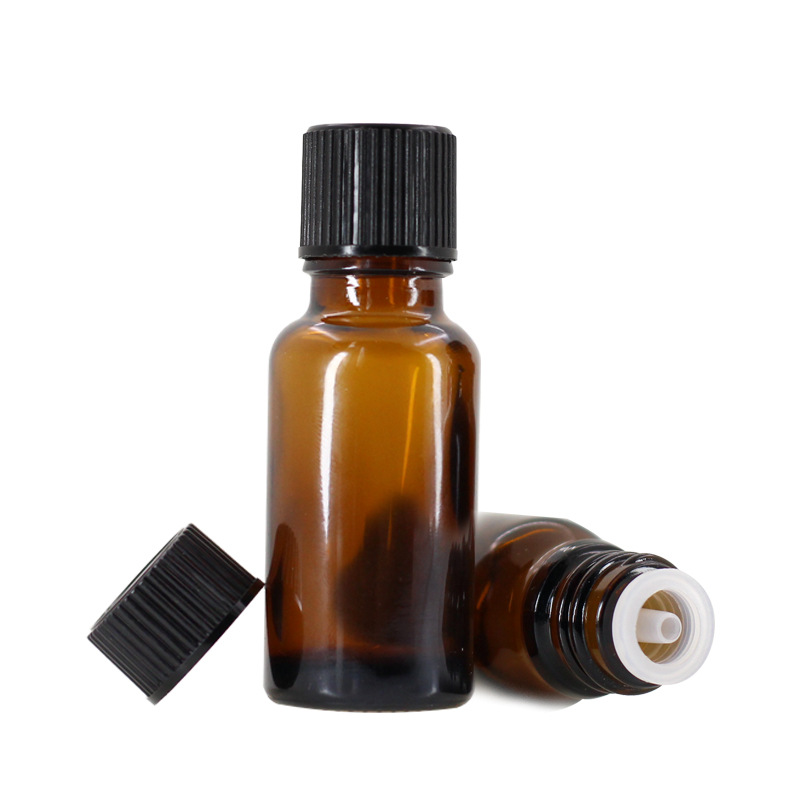
PauPack supplies glass tincture bottles with droppers, closures and decoration as one specified system, and the eleven fields above are the working document behind a quotation. Send the fill volume, the dose, the target market and the closure you have in mind, or send a photo of the pack a competitor is already using. The gaps can be filled in from there.
A finished specification shortens sampling, protects the reorder and gives quality control something to measure against. If the extract is already stable, a dropper bottle range and a pharmacy bottle range cover most tincture formats, and the project brief is the fastest way to start. Buyers replacing an existing supplier often compare against our notes on pharmaceutical dropper bottles and the medicine bottle quality test.
Small choices travel a long way. A liner reference, an application torque and a fill volume take minutes to agree and save a full sampling round later. PauPack would rather answer twelve questions before a purchase order than find one missing field after the bottles have shipped.
For background on the regulatory side, the FDA guidance on container closure systems, the USP reference material available through USP, and the Poison Prevention Packaging Act pages are worth reading before the market is confirmed.
Every reorder starts from the sheet, not from memory. PauPack stores the approved sample, the liner reference, the torque setting and the certificate with the project, so the third tincture bottles wholesale order behaves like the first.
Questions Buyers Ask Before They Sign Off a Tincture Bottle
What is the most common tincture bottle size?
30 ml dominates retail ranges, with 15 ml for trial sizes and 50 ml or 100 ml for value and professional use. Confirm the fill volume rather than nominal capacity, because headspace and dropper displacement decide the real dose count.
How many drops should a 30 ml tincture bottle deliver?
Work backwards from the label dose. If the label says 1 ml, the pipette has to deliver that volume in a countable number of drops, and the count has to stay stable as the bottle empties. Drop mass shifts with alcohol content, so calibrate with the finished extract.
Does a graduated pipette guarantee an accurate dose?
No. Graduations help the user, but accuracy depends on pipette length against fill depth, bulb suction, viscosity and how the bottle is tilted. Test the dose at the fill line, at half volume and at the last usable millilitre.
Which glass colour protects a herbal extract best?
Amber and other dark glasses reduce the light reaching the liquid, which matters for photosensitive extracts. Protection is not absolute. Confirm the choice with a light-exposure or stability study rather than assuming that any dark bottle is sufficient.
Do tincture bottles need child-resistant closures?
That depends on the market, the product classification and the pack. In the United States, the Poison Prevention Packaging Act and CPSC rules set the framework, and a closure only counts as child-resistant when the complete package passes the applicable protocol.
Which liner material suits an alcohol-based tincture?
There is no universal answer. Foam, pulp and coated liners behave differently in contact with 40 to 70 percent ethanol, and the extract can also carry essential oils. Ask for the liner specification in writing, then verify it with a filled, inverted storage trial.
What MOQ should a buyer expect for stock tincture bottles?
Stock moulds usually carry the lowest minimums and shorten the timeline. Custom colour, custom decoration or a new mould raises the quantity because setup, tooling and print runs have to be absorbed, so confirm how the minimum changes with each option.
How long does a tincture bottle order take?
Plan the timeline in stages rather than one number: sample request, sample approval, decoration proof, bulk production, inspection and freight. Each stage has its own clock, and approvals are usually where projects lose time.
What should a COA cover for a glass bottle order?
At minimum the report should identify the part, the lot, the dimensions checked, capacity, the inspection criteria and the result against each one. Where decoration or closures are included, the report should cover those lots as well so the file matches the shipment.
Can PauPack quote from a photo of an existing tincture bottle?
Yes, and it is a normal starting point. Send the photo, the fill volume, the target market and the dose, and the missing fields can be filled in. Replacing a supplier usually comes down to matching a mould and confirming the closure system.