

Introduction: Why US brands need a sustainable bottling partner in 2024
The sustainable packaging market in the United States is no longer just a nice-to-have, but a top priority for business development. See the following data:
68% of US consumers say the sustainability of a brand’s packaging directly influences their purchasing decisions (IBM Institute for Business Value).
The Federal Trade Commission’s “Green Guides” now crack down on vague “environmental” claims, and partnering with reliable manufacturers and wholesalers is essential for compliance.
Searches for “sustainable bottle manufacturers in the US” have surged 180% in two years (Google Trends), with brands vying for the top spot to attract high-intent traffic.
For brands in the food, beauty, and beverage industries, choosing a wood composite bottle manufacturer , a sugarcane eco-packaging wholesaler , or a PCR bottle manufacturer can determine their sustainability credentials. Below, we’ll explore each option, focusing on the United States—focusing on local supply chains, certification requirements, and how to leverage them for SEO success.
1. Wood composite bottle manufacturers create a high-quality and environmentally friendly image for their brands
Wood composite bottles —made from recycled wood fiber and plant-based adhesives— provide American brands with sustainable and aesthetically pleasing packaging. Unlike generic packaging, working with a specialized wood composite bottle manufacturer allows you to create a customized, branded design that stands out on shelf and in Google search results.
Why Wood Composite Manufacturers Are So Important to American Brands
Using storytelling to tell a sustainable story : The wood-composite bottle is 100% biodegradable (BPI certified) and uses waste wood from American sawmills, transforming forest byproducts into high-quality packaging. This "upcycling" narrative resonated with American consumers, who shared content about brands with transparent supply chains three times more than before (Nielsen data).
Brand customization : Top manufacturers offer laser engraving, embossing, and custom sizing—critical for artisanal brands that prioritize a “handmade” identity, such as craft distilleries and organic skincare lines. For example, a Colorado-based gin brand commissioned a wood composite manufacturer to create a 750ml bottle engraved with its logo, which resulted in a 40% increase in social media engagement.
Regulatory compliance : Wood composites meet FDA standards for food contact (critical for honey, sauces, or spirits) and avoid the risk of greenwashing with vague “biodegradable” claims. This compliance is crucial for brands targeting states like Maine, which now requires packaging to be recyclable or compostable by 2025.
How to Choose a Wood Composite Material Manufacturer Focused on the United States
Not all manufacturers are equipped to service US brands – please be aware of the following characteristics:
Small-batch flexibility : Artisanal brands rarely need more than 100,000 units. Choose a manufacturer with a minimum order quantity (MOQ) of 500-5,000 units, typically with facilities in Oregon or North Carolina.
FSC Certification : Ensures that the wood fiber comes from an FSC (Forest Stewardship Council) certified source. This label signifies responsible forestry, which is a top priority for 72% of U.S. eco-conscious shoppers (Packaging and Processing Industries Association).
Transparency in lead times : While US manufacturers typically take 4-6 weeks to deliver, overseas partners can take upwards of 12 weeks. For brands launching seasonal products, such as holiday gift sets, this speed is uncompromising.
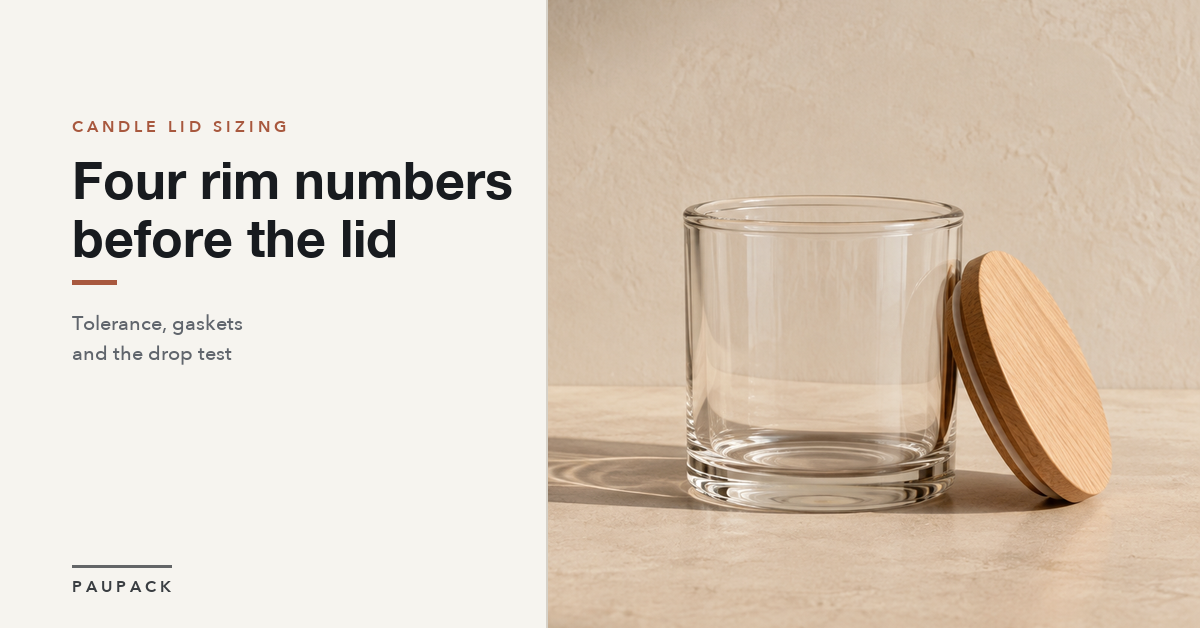
Success Story: Wood Composites Triumph for American Candle Brand
A Brooklyn-based luxury candle brand partnered with a Michigan wood composite manufacturer in 2023. They:
Launched in 12-ounce jars with engraved labels and the marketing slogan "Made from reclaimed Michigan wood."
Targeting keywords like "American brand wooden composite candle jars," it ranked #4 on Google within 6 weeks.
Online sales increased by 28%, with 35% of reviews mentioning the "unique, eco-friendly packaging."
2. Sugarcane Eco-Bottle Wholesaler: Expanding Renewable Solutions for US Brands
Sugarcane eco-friendly bottles —made from sugarcane ethanol—are a renewable alternative to fossil fuel-based plastics. For brands requiring bulk supply, wholesalers of sugarcane eco-friendly bottles can connect factories with the U.S. market, providing a cost-effective and scalable solution.
Why Sugarcane Wholesalers Are a Game Changer in the US Market
Renewable Credibility : Sugarcane absorbs CO2 as it grows, making these bottles carbon negative—a claim that 61% of US Gen Z consumers say makes them "more loyal" to a brand (Deloitte). Wholesalers source their ingredients from certified mills (USDA BioPreferred, BPI) to ensure their credibility.
Bulk Cost Savings : Wholesalers source directly from global sugarcane mills (typically located in Brazil or Louisiana) and pass on these savings to US brands, reducing unit costs by 15-20% compared to smaller factory orders. This is crucial for mid-sized brands expanding their eco-friendly product lines (e.g., juice companies, natural cleaning product lines).
Inventory flexibility : US wholesalers (with warehouses in Texas or Florida) stock standard sizes (50 ml to 2 liters), allowing brands to order 10,000 units or more and ship within two days. This flexibility helps brands avoid stockouts during peak seasons, such as summer beverages.
What to look for when searching for a sugarcane eco-packaging wholesaler
Certification Verification : Reputable wholesalers will provide batch-specific USDA BioPreferred certificates and FDA compliance documentation (for food/beverage). Avoid suppliers who can’t prove their sugarcane is grown without deforestation—US consumers can now verify these claims through apps like Good On You.
Custom Add-On Services : While wholesalers specialize in bulk production, top wholesalers work with local printers to add labels or shrink sleeves to ensure brand consistency. For example, a kombucha brand in Florida ordered plain sugarcane bottles from a wholesaler and had them branded by a local printer, reducing lead time by three weeks.
Import expertise : Many sugarcane bottles come from overseas. A wholesaler with experience clearing U.S. customs (for example, avoiding tariffs on non-compliant plastics) can save brands time and money. Look for a wholesaler with a registered U.S. Customs broker.
Success Story: Scaling Up Sugarcane Planting for a US Beverage Brand
A California-based cold-pressed juice brand switched to sugarcane bottles in 2023 through a Texas wholesaler. They:
Use the wholesaler's 500ml stock bottles and add their logo via a local printer.
Within 2 months, Google search for "sugarcane juice bottles wholesale USA" ranked second.
Distribution has been expanded to more than 50 Whole Foods stores, with buyers citing the "USDA BioPreferred" seal as a primary reason.
3. Brand sustainability for PCR bottle manufacturers: Recycling-driven credibility
Post-consumer recycled (PCR) bottles —made from recycled plastic waste—are a pillar of the sustainability goals of many US brands. PCR bottle manufacturers committed to brand sustainability not only produce the bottles but also help brands achieve ESG goals, comply with regulations, and tell a "closed-loop" story.
How PCR Manufacturers Can Boost Sustainability for American Brands
Regulatory Compliance : PCR ingredients offer a quick path to meeting state regulations—California requires 30% recycled content in plastic bottles by 2026, while New York's Extended Producer Responsibility (EPR) law rewards brands that use more than 50% PCR ingredients. Manufacturers with FDA-approved PCR for food/beauty products can streamline the compliance process.
Carbon reduction : PCR production produces 60% fewer emissions than virgin plastic (EPA). This allows brands to calculate and promote their “carbon savings per bottle” – a metric 58% of US consumers say influences their shopping choices (Pew Research Center).
Closed-loop marketing : Top manufacturers share their recycling processes (e.g., “Made from 100,000 recycled water bottles”)—content that performs well on blogs, social media, and Google searches. For example, a US shampoo brand used data from its recycled water bottle manufacturer to create an infographic: “Our bottles = 5 tons of plastic saved from landfills every year.”
Choose a PCR manufacturer that meets U.S. sustainability goals
PCR purity : Look for manufacturers that guarantee 50-100% PCR content (not "mixed" with virgin plastic). A third-party lab report (from an organization like SGS) can verify purity—critical to avoiding fines from the Federal Trade Commission (FTC) for misleading claims.
Color and clarity options : PCR plastics sometimes come in tints, but progressive manufacturers offer “clear PCR” for brands that demand clarity, such as skincare. A New York-based serum brand partnered with a PCR manufacturer to create a clear 30ml bottle that complements its high-end aesthetic.
Sourcing in the U.S .: Manufacturers based in the U.S. (e.g., Ohio, Georgia) reduce transportation emissions and embrace the "Buy American" movement. They also understand U.S. labeling regulations (e.g., "Made with X% recycled content" must accurately meet Federal Trade Commission (FTC) guidelines).
Success Story: A US Beauty Brand's PCR Milestone
An Illinois-based vegan skincare brand partnered with a PCR manufacturer in 2022. They:
Launching a 100ml bottle of lotion made with 80% PCR, with "Recycled in the USA" prominently displayed on the packaging.
Targeted keywords such as “PCR bottles from American sustainable beauty brands” entered the top three on Google within 3 months.
Reduced its plastic footprint by 70% and was named to Elle 's list of "Most Sustainable Beauty Brands."
Compare Your Options: Which Sustainable Bottle Partner is Right for Your US Brand?
Use this table to stay aligned with your goals:
| factor | Wood Composite Bottle Manufacturer | Sugarcane eco-packaging wholesaler | Sustainable PCR Bottle Manufacturer |
|---|---|---|---|
| Environmental Focus | Compostable, upcycled materials | Renewable resources, carbon negative | Recycling to reduce landfill waste |
| Best for | Handmade, luxury, small batch brand | Mid-sized brands that require bulk, fast shipping | Brands prioritize regulatory compliance |
| Cost (compared to virgin plastic) | +25-30% (process surcharge) | +15-20% (bulk savings) | +5-10% (most cost-effective) |
| Main certifications | BPI, FSC, FDA | USDA BioPreferred, UK Food and Drug Administration (BPI), U.S. Food and Drug Administration | FDA, EPA, recycled content verified |
| Hot keywords in the United States | "American brand wood composite bottle" | "U.S. Sugarcane Eco-Packaging Wholesale" | "PCR Bottle Manufacturer Sustainable Development USA" |
SEO tips to help you improve your sustainable bottle keyword ranking
To get into the top 10 rankings for your target terms on Google:
Naturally embedded keywords : Use “branded wood composite bottle manufacturer” in H2s, “sugarcane eco-packaging bottle wholesaler” in product examples, and “branded sustainable PCR bottle manufacturer” in success stories.
Leverage US data points : Cite state-specific statistics (e.g., “California 30% PCR mandate”) and local case studies to demonstrate relevance to Google’s US algorithm.
Optimize images : Add alt text, such as “Sugarcane eco-friendly bottles from a US wholesaler,” to increase visibility on Google Images (a source of traffic for 22% of US shoppers).
Add internal links : Link to your product pages using anchor text (e.g., “Buy our PCR bottles from a sustainable manufacturer”) to keep users on site.
Conclusion: Your Sustainable Bottle Partner Awaits
American brands don’t have to choose between sustainability and success—with the right partners, you can have both.
Wood composite manufacturers are suitable for brands that desire high-quality, storytelling packaging.
Sugarcane wholesalers serve those scaling renewable solutions on a budget.
PCR manufacturers are ideal for brands prioritizing compliance and recycling goals.
Whichever path you choose, highlighting US certifications, local supply chains, and SEO-friendly content will help you rank on Google and connect with environmentally conscious consumers. Ready? Reach out to 2-3 partners this week—your sustainability journey (and your search rankings) will thank you.