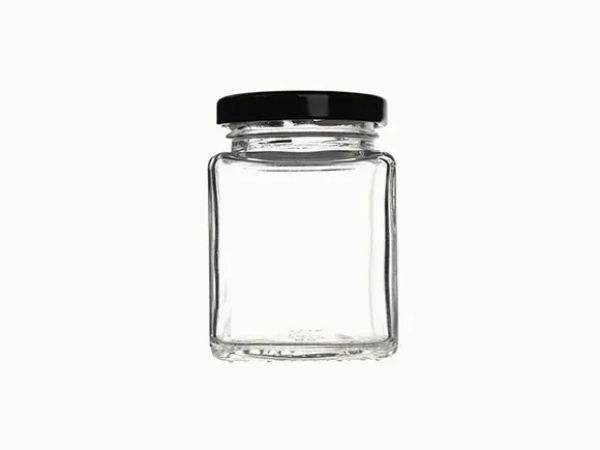


Choosing a custom juice bottle manufacturer is a development decision, not a catalog search. The supplier must translate the beverage, filling process, closure, label, distribution route and brand position into a bottle that can be produced consistently.
The clearest way to manage that work is through project gates. Each gate answers a different question and prevents the team from approving appearance before function, or tooling before the commercial plan is ready.
Gate 1: Define the Beverage and Filling Conditions
Begin with the liquid and process. The supplier needs more than the word "juice."
Share the beverage type, whether it is still or carbonated, filling temperature, pasteurization or other processing information, planned fill volume, headspace, storage conditions, shelf-life plan and target market.
Also identify the filling line and closure application method. Bottle dimensions, neck finish, cap and label panel must work with real equipment, not only a rendering.
If process details are still being developed, label them as open questions. Early uncertainty is manageable; hidden assumptions are not.
Gate 2: Choose the Bottle Architecture
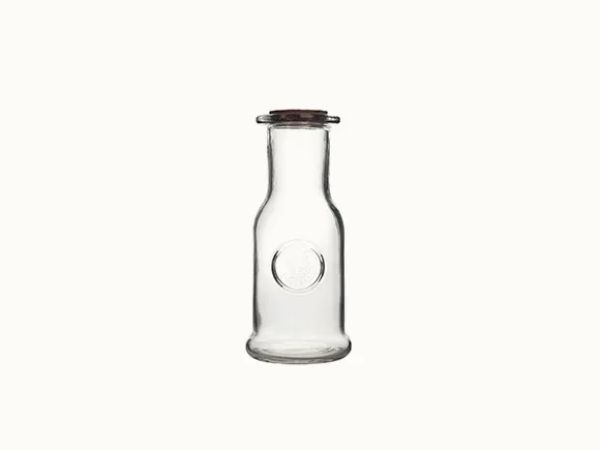
Bottle architecture includes capacity, height, diameter, shoulder, base, neck and label area. These decisions affect handling, line compatibility, case packing, pallet efficiency and shelf presence.
Compare options using a shared scorecard:
| Decision | Commercial question | Technical question |
|---|---|---|
| Capacity | Does it match the price and consumption occasion? | What is the brimful capacity and required headspace? |
| Shape | Is the silhouette recognizable and easy to hold? | Will it run on the filling and labeling line? |
| Base | Does it create a stable, premium presentation? | Is it stable through filling, packing and transport? |
| Label panel | Is there enough space for brand and regulatory information? | Is the surface suitable for the chosen label or printing method? |
| Neck and closure | Does the opening experience fit the product? | Are the finish, cap and application process compatible? |
PauPack's glass juice bottle range provides starting points across several capacities and forms.
Gate 3: Decide Between a Stock Mold and Custom Tooling
A stock bottle can shorten development and reduce tooling complexity. It is useful for market tests, line extensions and brands that can create distinction through labels, caps, color and secondary packaging.
Custom tooling may be justified when the silhouette creates meaningful brand recognition, line efficiency requires a specific geometry, or the volume plan supports a dedicated format.
The decision should consider more than mold cost. Include prototype cycles, testing, potential line changes, replacement tooling, production minimums and the time needed for approval.
Ask the supplier to show two routes when possible: the closest stock option and the custom route. Comparing them makes the value of structural customization visible.
Gate 4: Develop the Closure and Brand System Together
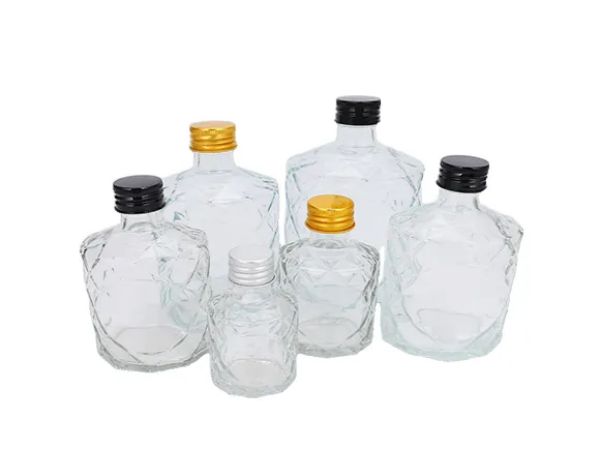
The bottle and cap should be reviewed as one visual and functional unit. Closure color, tamper evidence, liner, application torque and customer opening experience can change the final impression.
At the same time, define the decoration system:
- Pressure-sensitive label, shrink sleeve or direct printing
- Clear, colored or coated glass
- Cap color and finish
- Embossing or debossing where appropriate
- Front, back and neck information zones
- Barcode and batch-code location
A large label can hide the glass and simplify artwork changes. Direct printing can create a cleaner bottle view but requires different setup and approval. A sleeve offers broad coverage but changes recycling and visual considerations. The correct choice depends on the product and market.
PauPack's custom bottle design service can support projects that need coordinated bottle, closure and decoration development.
The wider food and beverage packaging range can help buyers compare juice bottles with other beverage formats before fixing the project architecture.
Gate 5: Approve Samples Against Real Use
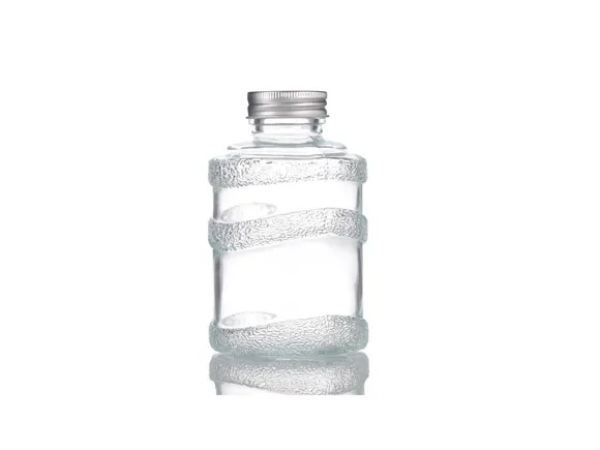
The approval program should include plain components, decorated samples and filled-product tests. Record dimensions, weight, capacity, neck finish, color, artwork and sample version.
With the intended beverage and process, review:
- Fill volume and headspace
- Bottle stability and handling
- Closure application and opening
- Leakage and storage orientation
- Label application or print position
- Appearance after processing
- Carton and divider fit
- Distribution and e-commerce handling where relevant
Do not approve a bottle from a single hero photograph. Test several units and retain an approved reference.
Gate 6: Build the Quality and Packing Standard
Production needs measurable instructions. Define critical dimensions, acceptable appearance, color reference, decoration position, closure standard, defect classification and packing method.
The packing specification should show unit orientation, dividers, layers, carton quantity, pallet pattern and protection requirements. Empty bottles may travel differently from filled products, so the beverage brand should also validate its finished-goods packing.
Review PauPack's quality management approach when preparing the inspection and approval discussion.
Gate 7: Compare the Complete Commercial Offer
Supplier quotations should use the same project assumptions. Compare:
- Bottle and closure specification
- Stock or custom mold basis
- Tooling and prototype cost
- MOQ by plain and decorated version
- Decoration setup and unit cost
- Sample stages
- Quality and inspection scope
- Carton and pallet method
- Production assumptions
- Freight basis and destination
A low bottle price can be offset by inefficient case packing, high decoration setup, cap sourcing, damage risk or filling-line changes. Evaluate the landed packaging system, not a single component price.
Three Launch Paths for Beverage Brands
Fast pilot launch
Use an existing bottle and closure, flexible labeling and standard packing. Focus on process compatibility and market learning.
Branded stock-bottle launch
Use an existing bottle with custom color, label, printing, cap or carton. This balances differentiation with a controlled development path.
Signature custom-bottle launch
Use a dedicated mold and coordinated component system when the brand has a stable brief, sufficient planning time and a volume case for structural ownership.
These paths are not quality levels. A disciplined stock-bottle project can outperform a poorly managed custom mold.
The Project Brief a Manufacturer Needs
Send a single brief containing beverage type, process conditions, capacity, dimensions, bottle references, closure, decoration, quantity, market, filling line, carton requirements, testing plan, target timing and destination.
Add a decision log. Record what is approved, what changed, who approved it and which sample version is final. This prevents old artwork or component assumptions from returning later in the project.
PauPack also publishes a glass juice bottles wholesale guide for buyers comparing standard bottle options.
The right custom juice bottle manufacturer helps the team move through these gates with clear specifications and evidence. That process gives the finished beverage a more reliable path from design concept to filling line, shelf and customer.
For a project-specific review, contact PauPack with the beverage, filling conditions, target capacity, quantity, decoration and destination.
Frequently Asked Questions
What information should be sent to a custom juice bottle manufacturer?
Send the beverage type, filling conditions, volume, bottle dimensions, closure, decoration, quantity, filling-line requirements, testing plan, packing needs, destination and target timing.
Is a custom mold necessary for a juice brand?
No. Existing bottle molds can be differentiated through labels, printing, coatings, caps and cartons. A custom mold is most useful when structural recognition or line requirements justify the investment.
What should be tested on a juice bottle sample?
Test capacity, headspace, process compatibility, closure application, leakage, handling, decoration, label fit, carton protection and relevant distribution conditions using the intended beverage and process.
How should juice bottle quotations be compared?
Compare the same bottle, closure, decoration, packing, inspection, MOQ, tooling, sample and freight assumptions. Unit price alone does not show the complete packaging cost.