

Essential oils are natural—but don’t let that fool you. Their chemical strength is powerful enough to dissolve plastic, contaminate formulas, and degrade packaging faster than you might expect.
Essential oils break down plastic because they are highly concentrated solvents that can penetrate and destabilize the molecular structure of many common plastics—especially over time or when stored undiluted.
It’s not about heat or pressure—it’s chemistry. Let’s break down why plastic and essential oils don’t mix.

Why do essential oils break down plastic?
The short version? They’re too strong.
Essential oils contain potent organic compounds like terpenes, aldehydes, and ketones that act as solvents—capable of softening, warping, or dissolving plastic surfaces.
This reaction doesn’t always happen instantly. But over days or weeks, these tiny molecules start to migrate into the plastic, causing swelling, stickiness, or cloudiness.
Plastic Breakdown Process
| Step | What Happens |
|---|---|
| Absorption | Oil compounds begin penetrating plastic walls |
| Swelling | Plastic becomes soft or flexible |
| Leaching | Chemicals from the plastic enter the oil |
| Deformation | Bottle loses shape, cracks, or discolors |
PauPack only uses glass bottles or PET/HDPE plastic (for temporary use) when working with essential oil packaging, ensuring both safety and product integrity.
Why does oil dissolve plastic?
This has everything to do with chemical compatibility.
Many plastics—especially those made from petrochemicals—are vulnerable to “like dissolves like” interactions. Since essential oils are organic solvents, they dissolve or disrupt similar hydrocarbon-based plastics.
Plastics like PVC, LDPE, or polystyrene are particularly soft and reactive. Essential oils slowly break down their polymers, causing plastic to leach into the oil—or the bottle to disintegrate entirely.
Plastic Susceptibility
| Plastic Type | Dissolved by Oils? | Use Recommendation |
|---|---|---|
| PVC | Yes | Do not use with oils |
| LDPE | Yes (long-term) | Not suitable for storage |
| PET | Mild resistance | Short-term, diluted use only |
| HDPE | Moderate resistance | OK for carrier oils |
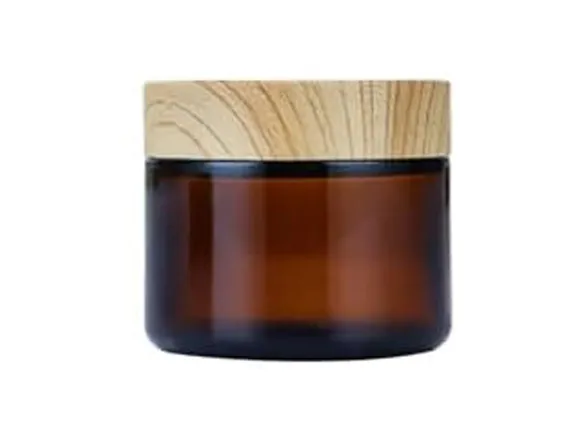
| Glass (Amber) | No | Best for pure essential oils |
That’s why glass is industry standard—non-reactive, non-porous, and chemically stable.
Do essential oils break down?
Even though they’re natural, essential oils don’t last forever.
Yes, essential oils break down over time—especially when exposed to light, oxygen, heat, or improper storage. This process is called oxidation.
While oxidation is a natural part of aging, it can speed up dramatically in poor packaging. Degraded oils lose their scent, effectiveness, and may even cause irritation.
Signs of Breakdown
-
Faded or sour scent
-
Thicker consistency
-
Color change
-
Reduced therapeutic effect
-
Skin sensitivity after use
At PauPack, we combat this risk by packaging essential oils in UV-blocking amber glass, with airtight caps and tamper-evident seals—preserving freshness from bottling to final drop.
Can you store essential oils in plastic?
Yes—but only under controlled conditions.
Essential oils can be stored in plastic temporarily if the plastic is high-quality, food-grade HDPE or PET, and if the oils are diluted in a carrier oil.
Never store pure, undiluted essential oils in plastic for extended periods. Even strong plastics will eventually degrade or contaminate your product.
Plastic Use Guidelines
| Situation | Acceptable? | Notes |
|---|---|---|
| Short-term samples (PET) | Yes | Use dark plastic, limit time exposed |
| Pre-diluted blends (HDPE) | With care | Only for temporary or refill use |
| Long-term storage (PVC) | No | Will break down and leach |
| Travel or retail minis | Maybe | Limit light and temperature exposure |
For all flagship essential oil packaging, PauPack recommends glass only. We provide a full range of 5ml–30ml amber glass bottles, plus optional plastic for travel/refill kits, each labeled clearly for safe storage.
Conclusion
Essential oils break down plastic because they’re chemically powerful solvents—natural, but not gentle. Glass is the gold standard for long-term storage, while plastic has a narrow role in short-term or diluted applications. When you understand how oils interact with materials, you protect your product, your customers, and your brand.