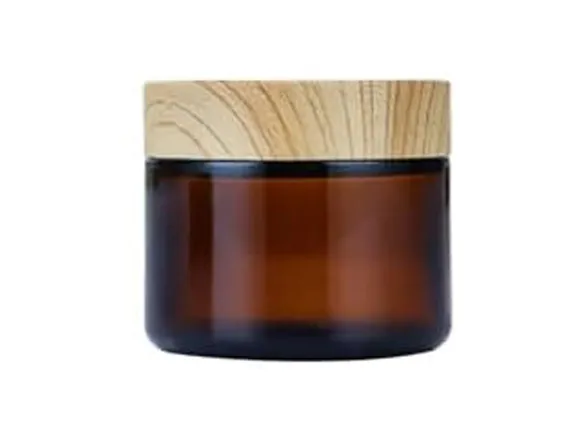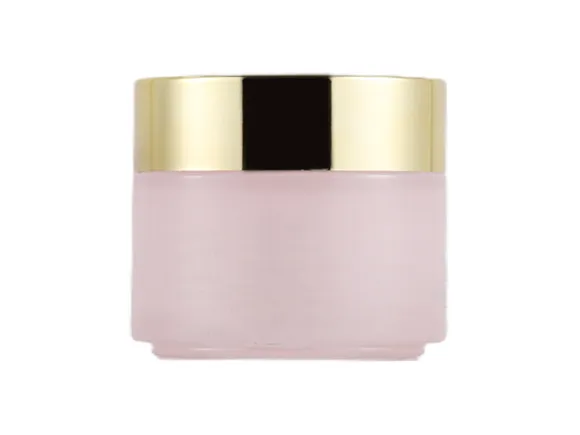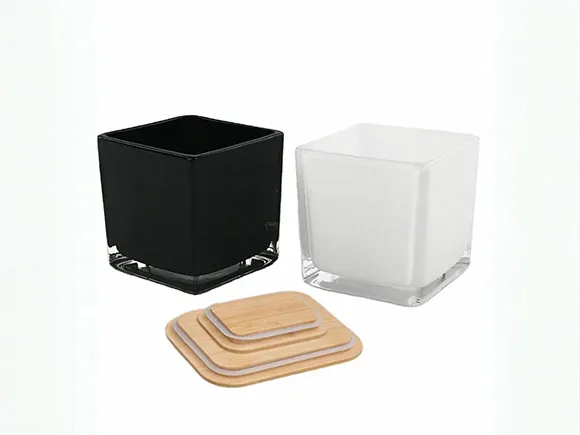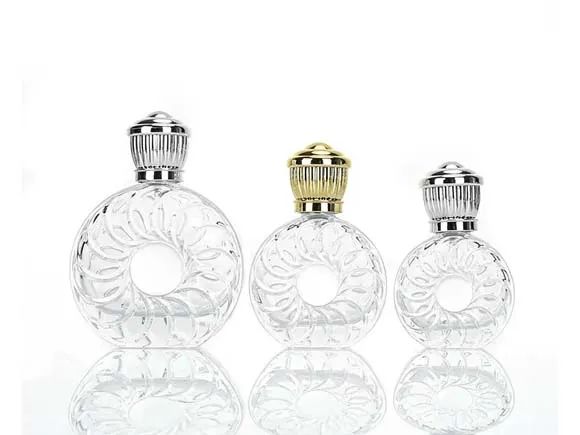


Standard perfume bottle size is not a single universal answer. It is a portfolio decision involving fill volume, shelf role, spray use, decoration area, carton dimensions and order allocation. PauPack helps fragrance buyers translate “standard” into a defined job for each package instead of copying a competitor's number.
Begin With the Job, Not the Milliliters
Label each format by its commercial role: discovery, travel, core line, gifting or premium statement. Then define expected use frequency, channel and price architecture. PauPack's perfume bottle collection provides silhouettes and capacities for a controlled shortlist.

Use Four Decision Cards
- Use card: sprays per occasion, portability and handling.
- Brand card: silhouette, decoration area and cap proportion.
- Operations card: filling, crimping, coding and carton fit.
- Commercial card: forecast, case multiple and leftover components.
Each card should be reviewed against the same identified bottle, pump, collar and cap. PauPack's quality process keeps sample observations tied to the approved component set.
Compare Capacity With Usable Presentation
A nominal fill number does not describe shoulder space, visual fill line, pump displacement or the relationship between bottle and carton. For a standard perfume bottle size comparison, record how the filled unit looks and functions under the intended assembly conditions.
Avoid a Portfolio Made of Near-Duplicates
Two sizes should not compete for the same buyer, channel and use moment unless the business case is explicit. Vary the job before varying the glass. PauPack's design service helps teams build shared family cues while preserving a reason for each format to exist.
Build the Allocation Before the Purchase Order
Split annual demand by format, decoration route, pump and carton. Add launch quantities, samples, spares and reorder thresholds. PauPack's project services help expose minimums or residual components before they become hidden inventory.
Turn “Standard” Into a Written Rule
Send PauPack the fragrance line roles, fill targets, spray route, finish hierarchy, quantities and destinations. The best standard perfume bottle size decision connects the catalog with the perfume sourcing guide and a portfolio allocation that purchasing can repeat.
The final rule should state why the format exists, which components belong to it and what evidence releases it. That is more useful than a number presented without context.
Identify the Buyer and the Non-Buyer
A standard perfume bottle size guide is for fragrance brands, distributors and sourcing teams building a rational range. It is not a substitute for a retailer planogram, transport classification or formula-specific compatibility program. PauPack begins by identifying the decision owner, target channel, expected consumer use and number of formats the forecast can support. The goal is to create a repeatable portfolio rule rather than declare that one capacity is correct for every market.
Define the Scenarios Before the Size Ladder
Discovery, travel, daily use, gifting and prestige presentation create different requirements for portability, spray use, decoration area and carton presence. A standard perfume bottle size decision should also distinguish direct-to-consumer parcels, retail shelves, sets and professional sampling. PauPack maps each scenario to a package role and prevents two formats from competing for the same occasion unless there is a clear commercial reason.
Write the Technical Size Specification
Record nominal fill, usable fill, brimful capacity where relevant, bottle height, width, depth, neck finish, pump route, collar, cap, glass weight and carton envelope. State measurement methods and drawing tolerances instead of relying on a nominal number. For standard perfume bottle size comparisons, PauPack also records the filled visual line, pump displacement assumptions and orientation because these details can change presentation and equipment fit.
Control the Matched Component Architecture
The bottle, pump, actuator, collar, dip tube and cap should have stable codes and an approved assembly method. Decoration and carton files should reference the same revision. Formula-specific and transport-specific evaluations remain with qualified owners. PauPack's role is to make the component architecture visible so a capacity change does not silently introduce a new pump, collar height or carton constraint.
Link Workmanship and Decoration to the Portfolio Role
A discovery format may prioritize clarity and efficient assembly, while a prestige format may emphasize glass weight, cap proportion and more complex decoration. Those are commercial choices, not universal quality grades. PauPack defines physical masters, inspection distance, protected zones and accepted variation for each role. This lets buyers compare workmanship against the intended promise rather than applying one vague “luxury” standard to every size.
Use Official References Without Inventing a Universal Standard
ISO 22715 covers cosmetic packaging and labelling requirements, and the FDA Cosmetics Labeling Guide provides U.S.-focused examples including net-content presentation. Neither source establishes one globally standard fragrance bottle capacity. They reinforce why nominal content, label area and destination review belong in the package file. PauPack uses ISO 22715 and destination guidance as inputs for qualified review, not as marketing proof that a bottle is universally compliant.
Model Capacity, Lead Time, Cost and OEM Choices
Forecast each format separately, then aggregate shared pumps, collars, caps, decorations and cartons. A standard perfume bottle size portfolio can become expensive when every volume uses unique components or small decoration lots. Compare stock glass, semi-custom decoration and custom tooling on minimums, setup, sample timing, residual inventory and reorder flexibility. PauPack recommends an OEM/ODM matrix covering design ownership, tooling, artwork, component nomination, inspection, packing and change notification before the range is released.
Build a Size Scorecard Before Sampling
Score shortlisted formats against portfolio role, portability, display impact, filling-line fit, component sharing, decoration area, carton efficiency and forecast confidence. Use evidence and notes rather than one total score that hides tradeoffs. A standard perfume bottle size may rank highly for visual presence but poorly for parcel weight or shared-component strategy. PauPack uses the scorecard to identify which questions need samples and which options can be removed before decoration trials consume time and budget.
Plan Samples as a Learning Sequence
Begin with undecorated component-fit samples, then move to filled spray observations, decoration trials, physical masters and packed presentations. Give each round a question, required quantity, owner and decision date. Record the bottle, pump, collar, dip tube, cap and carton codes for every sample. PauPack discourages approving unrelated pieces from different sample rounds because the resulting “golden sample” may never have existed as one production-relevant assembly. The final reference should represent the exact package the purchase order describes.
Protect the Range From Silent Component Drift
A size portfolio can change even when the glass drawing stays the same. Pumps, collar heights, cap interiors, decoration suppliers, coatings, cartons or divider materials may be substituted. Require notification, affected-lot identification, comparison samples and a defined re-evaluation route. PauPack keeps changes linked to the portfolio role so teams can judge whether the update affects spray behavior, visual family cues, line fit, shipping protection or residual inventory. Approved changes should update drawings, component lists, masters and reorder records together.
Use a Release Brief for Every Format
The release brief should fit on one controlled page: format role, nominal and usable fill, drawing revision, component codes, artwork revision, finish master, carton, case count, inspection plan and approvers. Add the commercial quantity and destination assumptions used in the quote. PauPack recommends reviewing the briefs side by side before launch. This reveals accidental inconsistencies, such as different terminology, mismatched cap colors or inspection rules that vary without a reason, while preserving the deliberate differences between discovery, core and premium formats.
After launch, compare actual demand, filling performance, decoration yield, packed damage and customer feedback by format. The review should not automatically remove a slow size or reward a fast one; it should test whether each format is performing the job originally assigned to it. Update forecasts, component-sharing assumptions and reorder thresholds with the same controlled terminology used in the release briefs.
Frequently Asked Questions
Is there one standard perfume bottle capacity?
No. Brands should define formats around use, channel, presentation and operational constraints.
Should a size be reviewed with its pump?
Yes. Pump displacement, dip tube, collar and cap affect the complete filled presentation.
How many sizes should a new line launch?
Use only formats with distinct jobs and supportable demand, rather than adding near-duplicates.
What belongs in a perfume size rule?
Record the role, fill target, components, artwork, carton, demand allocation and release evidence.
What data should be recorded besides nominal capacity?
Record usable fill, dimensions, neck finish, component set, glass weight, carton envelope and measurement methods.
Can several sizes share one pump platform?
Sometimes, but each bottle and dip-tube combination should be identified and reviewed as a matched assembly.
Why is filled appearance different from empty appearance?
Product level, pump displacement, shoulder geometry and glass distribution can change the visual balance.
How does decoration affect the size decision?
Smaller panels, curves, seams and cap proportions can limit artwork scale and decoration processes.
What creates residual inventory risk?
Unique pumps, caps, cartons, decoration minimums and uneven demand can leave components after one format sells out.
When should a perfume size portfolio be reviewed?
Review it when channels, forecasts, components, artwork, filling equipment or destination requirements change.