

A good formula begins with good ingredients—but great results only come when you protect those ingredients from the elements. Whether you're blending for skincare, aromatherapy, or holistic healing, proper storage isn't optional—it's foundational.
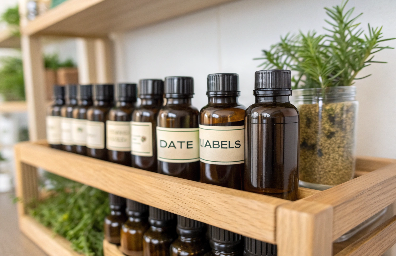
To store herbalist ingredients and essential oils properly, use dark glass containers, label everything clearly with dates, and keep items away from light, heat, moisture, and oxygen. This protects potency, preserves therapeutic value, and prevents waste.
At PauPack, we help beauty and wellness brands worldwide design packaging that not only looks beautiful—but defends your ingredients from early expiration or contamination. If you're serious about herbal crafting or launching a natural product line, it all starts with smart storage.

How Should Essential Oils Be Stored?
These tiny bottles of plant power are sensitive to air, light, and temperature—and they’ll degrade fast without the right protection.
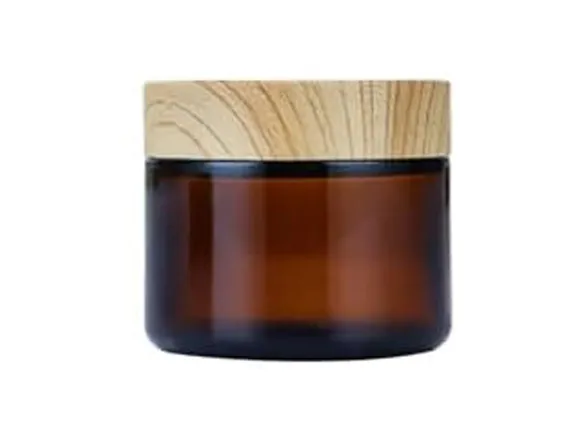
Essential oils should be stored in amber or cobalt glass bottles with airtight caps, kept in a cool, dry, dark space to protect against oxidation and UV damage.
Why Essential Oils Go Bad
Essential oils are volatile compounds. Their molecular structure is delicate—and over time, exposure to light and oxygen changes their chemical makeup. This leads to:
-
Loss of aroma
-
Skin irritation due to oxidation
-
Decrease in therapeutic benefits
Essential Storage Guidelines:
| Factor | Best Practice |
|---|---|
| Light | Use amber or cobalt bottles; avoid clear |
| Air | Seal tightly; avoid frequent opening |
| Heat | Keep below 25°C (77°F); no windowsills |
| Humidity | Avoid bathrooms or kitchen counters |
| Material | Only glass or stainless steel containers |
At PauPack, our dropper bottles, roller bottles, and misters are made from UV-resistant borosilicate glass with leak-proof caps—ideal for preserving high-value essential oils. We even include labeling areas for batch codes and expiration dates, helping your operations stay GMP-compliant.
What Is the 30 50 20 Rule for Essential Oils?
While this rule isn’t about storage directly, it shapes the way you blend—and that affects how your oil performs over time.
The 30/50/20 rule refers to a fragrance and function formula: 30% top notes, 50% middle notes, and 20% base notes. This creates a balanced aroma with layered scent release.
Scent Note Breakdown:
| Note Type | Characteristics | Longevity | Examples |
|---|---|---|---|
| Top | Sharp, light, evaporates quickly | 0.5–2 hours | Lemon, Peppermint, Eucalyptus |
| Middle | Heart of blend, body of aroma | 2–4 hours | Lavender, Geranium, Rosemary |
| Base | Rich, grounding, long-lasting | 6–12+ hours | Patchouli, Sandalwood, Vetiver |
Why This Affects Storage:
-
Top notes degrade faster, so storing blends tightly sealed is crucial.
-
Base-heavy blends tend to age better and maintain structure longer.
PauPack works with many brands on pre-formulated blends based on this structure, and we provide packaging from 5ml samplers to 100ml professional massage oils—all optimized to preserve delicate ratios.
How Do You Store Herbal Medicine?
Whether it’s loose herbs, tinctures, powders, or teas—each requires a tailored approach to maintain its integrity.
Herbal medicine should be stored in clean, airtight glass containers, kept in a dark, dry, and cool place to prevent degradation by moisture, mold, and light.
Different Herbal Forms Require Different Storage:
1. Dried Herbs (Leaves, Flowers, Roots)
-
Store in glass jars or tins with screw-top lids
-
Keep in a cabinet away from heat sources
-
Label with harvest/preparation date
| Herb Type | Shelf Life (Optimal Storage) |
|---|---|
| Leaves/Flowers | 6–12 months |
| Roots/Barks | 1–2 years |
| Powders | 3–6 months (airtight jar) |
2. Tinctures and Extracts
-
Use amber dropper bottles for light-sensitive liquids
-
Store in a dry cabinet or fridge
-
Avoid plastic caps that may degrade over time
3. Teas and Infusions
-
Use foil-lined pouches or sealed glass jars
-
Label by blend and base herbs
At PauPack, we offer airtight glass jars, aluminum tins, and kraft pouches with optional windows and tamper-proof labels—perfect for herbalists, tea blenders, and wellness retailers.
How Do You Store Herbal Oil?
Herbal oils are more fragile than they appear—especially if they’re infused at home.
Herbal oils should be stored in dark, airtight glass containers in a cool, dry place. Shelf life is usually 6–12 months, depending on the carrier oil and herbs used.
Key Storage Practices:
Use Proper Bottles:
-
Amber glass is best
-
Avoid clear plastic (it accelerates oxidation)
Remove All Plant Matter:
-
After infusion, strain thoroughly
-
Leftover herbs = faster spoilage
Add Natural Preservatives:
-
Add 1–2 drops of vitamin E per ounce to slow oxidation
Label Clearly:
-
Include base oil, herbs used, and infusion date
| Base Oil | Shelf Life | Storage Notes |
|---|---|---|
| Olive Oil | 12 months | Stable; use with dried herbs only |
| Jojoba Oil | 24 months | Non-greasy, very stable |
| Sweet Almond | 6–8 months | Lightweight but oxidizes faster |
Many PauPack clients use our 30ml to 100ml dropper or pump bottles for selling infused calendula, arnica, or chamomile oils. We also offer wholesale bottle kits with labeling zones, batch tracking, and FSC-certified boxes—ideal for herbal oil lines.
Bonus: Storage Tips for Blending at Scale
If you're turning herbal ingredients and essential oils into products for sale, these habits will extend your shelf life and keep customers happy:
-
FIFO inventory system: Use “First In, First Out” to rotate stock
-
Batch tracking: Always label bottles with batch number + prep date
-
Separate cool storage: Keep a dedicated space for oils/herbs away from sunlight or humidity
-
Avoid cross-contamination: Use sterile droppers, funnels, and gloves when bottling
-
Don’t overbuy: Store only what you can use within 6–12 months

Conclusion
Your herbs and oils are only as good as how you store them. Whether you're a clinical herbalist, spa founder, or skincare formulator, proper storage keeps your formulas potent—and your reputation strong. At PauPack, we deliver professional-grade packaging that protects your ingredients, scales with your brand, and preserves every drop of value.