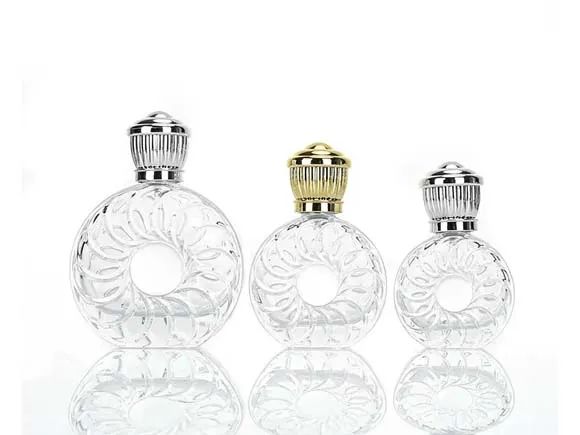


If your favoriteolive oilis sitting in a plastic squeeze bottle next to the stove, it’s time to rethink your kitchen strategy.
The best bottles for storing oils near the stove are dark glass, stainless steel, or ceramic containers with an airtight container design, airtight seals, and controlled pouring spouts.
These materials help maintain oil freshness andprevent oxidation, especially for high-quality oils likeextra virgin olive oil. When keeping oils near the stove, using the right container is essential for preserving their freshness and quality.
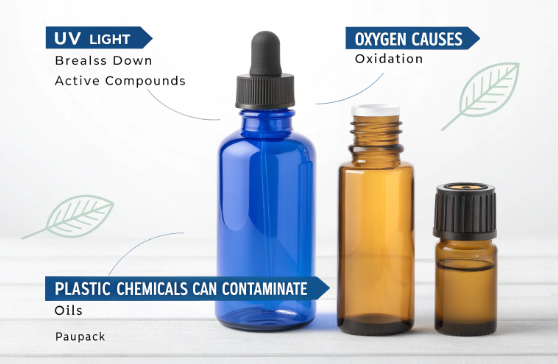

Why Does Oil Bottle Type Matter in the Kitchen?
When youstore olive oiland othercooking oilsnear heat, they face three main enemies:light,heat, andoxygen. These factors speed up degradation and reduceflavor,nutritional value, and the 'good stuff'—antioxidants and polyphenols—crucial for optimal health benefits and taste. Proper storage helps preserve this 'good stuff' and extends the oil'sshelf life.
|
Factor |
Threat to Oil |
Solution |
|---|---|---|
|
Light exposure |
Breaks down antioxidants |
Usedark glass bottles |
|
Heat |
Causes rancid oil |
Store in adark cabinetor away from direct flame |
|
Oxygen |
Oxidation → flavor loss |
Chooseairtight containers |
Mostessential oilsare stored indark glassfor these same reasons—it’s all about preservation.
The Best Bottles for Stove-Side Storage
1.Dark Glass Bottles
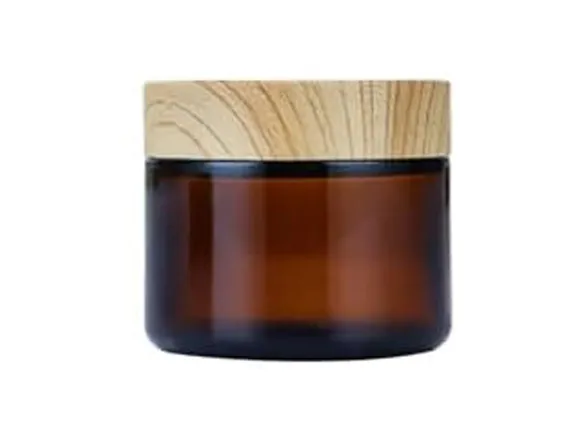
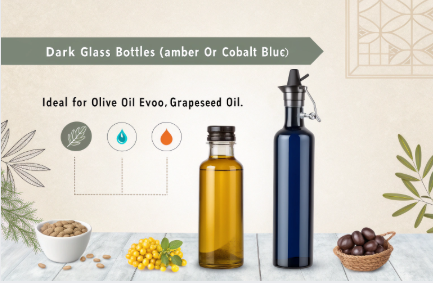
Dark glass bottles(like amber orcobalt blue) are ideal forolive oil containersand othereveryday cooking oils. They blockUV rays, reduce spoilage, and come in sizes perfect forsmaller bottleson the countertop.
-
Maintainsstable temperature
-
Preventslight exposure
-
Enhances kitchen aesthetics
Whether you’re afood writeror a home chef, this is thebest containerfor oil stability.
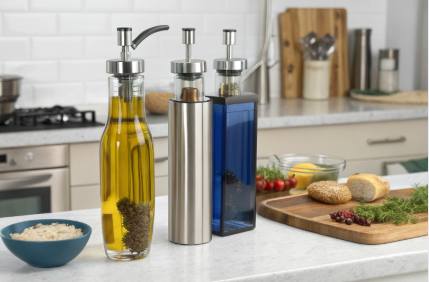
Dark glass olive oil dispensers with a well-designed pour spout help preserve oil freshness by minimizing air exposure and allow for precise, drip-free pouring.
2.Stainless Steel Bottles
Stainless steeloffers excellent heat resistance and is oftendishwasher safe. Ideal forcanola oil,avocado oil, orgrapeseed oil, these bottles maintain flavor and integrity under stove-side heat.
-
Durable and shatterproof
-
Blocks light completely
-
Great for bulk usage
3.Ceramic Bottles
Less common but elegant,ceramic bottlesoffer natural insulation and full light protection. These bottles are often called cruets and are used as olive oil dispensers, combining style with practical function in the kitchen. They’re ideal forolive oil coolaesthetics or when you want to storeliquid goldin something special.
Key Features to Look For in an Oil Bottle
When choosing theright container, focus on function and protection:
-
Airtight seal: Reducesoxygenexposure (and helps keep youroil fresh)
-
Controlled pouring: A goodpouring spoutprevents mess and overuse
-
Small opening: Less air =longer shelf life
-
Full bottle: Fewer air gaps =less oxidation
Different types ofpour spouts, such as hinge-top and open spouts, can impact how easily you pour oil, help prevent drips, and make cleaning and maintaining your olive oil container simpler, all of which help preserve oil quality.
Not All Bottles Are Equal
|
Bottle Type |
Light Protection |
Heat Resistance |
Reusability |
Aesthetic |
|---|---|---|---|---|
|
Dark Glass |
★★★★★ |
★★★★☆ |
✅ |
Modern |
|
Stainless Steel |
★★★★★ |
★★★★★ |
✅ |
Minimalist |
|
Ceramic |
★★★★☆ |
★★★★☆ |
✅ |
Rustic |
|
Clear Glass |
★☆☆☆☆ |
★★★☆☆ |
⚠️ |
Visual-only |
|
Plastic Bottles |
☆☆☆☆☆ |
★☆☆☆☆ |
❌ |
Risky |
Note:Plastic containers are not recommended for storing olive oil, as they may leach chemicals into the oil and compromise its purity over time.
How to Maintain Your Oil Bottles for Freshness and Safety
Keeping your olive oil and cooking oils at their best isn’t just about choosing the right bottle—it’s also about how you care for them day to day. Here’s how to make sure your oils stay fresh, flavorful, and safe for every recipe:
-
Store in a dark place: Always keep your olive oil and cooking oil bottles in a dark cabinet or pantry, away from direct sunlight. This protects them from light exposure, which can speed up oxidation and diminish nutritional value.
-
Choose airtight containers: Use a dark glass bottle or stainless steel container with a tight seal to keep oxygen out. This helps prevent rancid oil and extends the shelf life of your oils.
-
Keep oils cool: Store your oil bottles in a cool spot, away from heat sources like the stove or oven. Stable, lower temperatures help preserve the quality and flavor of your oils.
-
Clean bottles regularly: Wash your oil bottles with warm, soapy water and dry them thoroughly before refilling. This prevents bacteria or mold from developing and keeps your oils tasting fresh.
-
Monitor shelf life: Check the expiration date on your olive oil or cooking oil, and use it within the recommended time frame. Fresh oil means better taste and nutrition.
-
Use the right bottle for the job: Opt for bottles designed specifically for oil storage, such as dark glass bottles with a pouring spout or stainless steel containers with a spout for controlled pouring and less mess.
-
Avoid plastic bottles: Plastic bottles can absorb odors and flavors, and may leach chemicals into your oil, especially when stored near heat. Stick to glass, stainless steel, or ceramic for best results.
-
Label and date your bottles: Mark your oil bottles with the type of oil and the date you filled them. This makes it easy to track freshness and avoid using old or expired oils.
-
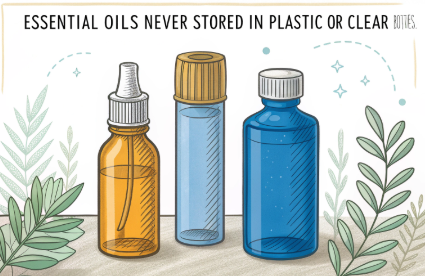
Store essential oils separately: If you use essential oils like canola oil, grapeseed oil, or sesame oil, keep them in their own containers to prevent cross-contamination and preserve their unique flavors.
-
Watch for spoilage: Regularly check your oil bottles for any off smells, changes in texture, or cloudiness. If you notice anything unusual, it’s best to discard the oil and clean the bottle before refilling.
By following these simple steps, you’ll keep your olive oil and cooking oils tasting their best and safe for every meal. Remember, the right container—like a dark glass bottle or stainless steel dispenser—paired with proper storage in a cool, dark place, is your best defense against oxidation and rancidity.
What Oils Need the Most Protection?
Some oils are more fragile than others. Here’s how to prioritize:
-
Extra virgin olive oil(34–80): Highly sensitive to heat and light
-
Avocado oil(1–3): Delicate monounsaturated fat
-
Grapeseed oil(1–2): Prone to fast oxidation
-
Canola oil(2–6): Best kept indark glass bottles
-
Sesame oil(1–5): Aroma-sensitive, protect in sealed containers
Extra virgin olive oil also has a shorter shelf life than many other oils and should be used within 18 months of production for optimal taste and quality.
Tip:Always buy olive oil (1–3) in itsoriginal bottleif it’s made ofglassand darkened. Transfer to countertop-friendlyoil dispensers(12–46) with aspout(13–31) foreasy access. While squeeze bottles are convenient for dispensing oils, sauces, and batters, they may not provide the best protection for delicate oils like extra virgin olive oil.
Common Mistakes to Avoid
-
Usingplastic bottles(4–14): Leads to chemical leaching, especially near thestove(9–24).
-
Leaving oil inclear glass(2–3): Exposes it toUV rays(2–4) and light degradation.
-
Storing in warm areas: Always choose adark place(1–3) orcabinettostore olive oilsafely.
Using unsealed containers: Even with premium oil, a loose lid shortens its life.
PauPack’s Solution for Kitchen Oil Packaging
AtPauPack, we specialize in durable, food-safe, and beautiful oil packaging. Our range includes:
-
Olive oil bottles(1–3) indark glass(8–24),ceramic, andstainless steel(7–16)
-
Bottles withairtight seals(6–16) andcontrolled pouring spouts
-
Custom oil dispensersfor culinary brands
-
Dishwasher-safe(3–9) glass and steel options
-
Fully brandable designs with screen printing and label-ready surfaces
Whether you're atest kitchenpro or a casualrecipe developer, our packaging enhances bothtaste(6–14) and shelf appeal.
Conclusion
Thebest bottles(1–3) for oils near the stove are the ones thatblock light,prevent oxidation, andwithstand heat. Stick todark glass,stainless steel, orceramic bottles, and you’ll keep yourcooking oilsas flavorful and healthy as the day you opened them.