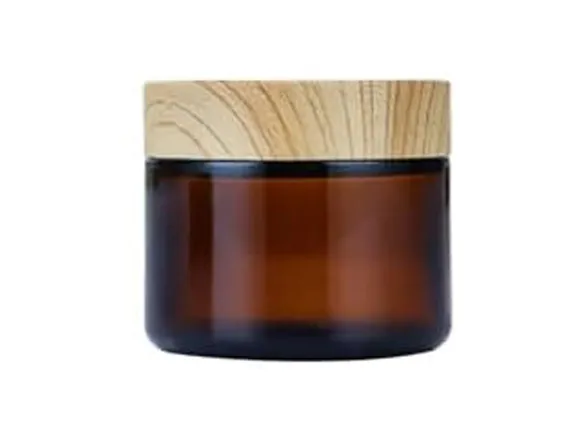


Improper storage can ruin your rosemary essential oil—dulling its aroma, reducing its potency, and even turning it rancid.
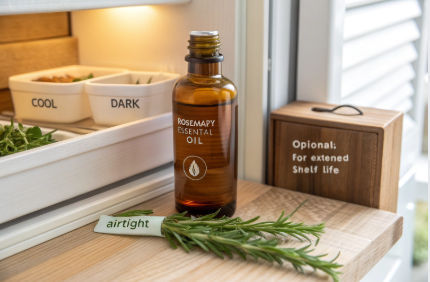
Store rosemary essential oil in a cool, dark place away from sunlight and air, ideally in an amber glass bottle with a tightly sealed cap. Refrigeration is optional but can extend shelf life.
Let’s dig deeper into exactly how to keep rosemary essential oil fresh and potent, whether you're a skincare brand or an aromatherapy enthusiast.

Should rosemary oil be refrigerated?
Many people wonder whether essential oils belong next to their groceries. Here's the truth.
Refrigeration is not required for rosemary oil, but it can be helpful for prolonging its shelf life—especially in warmer climates.
Dive Deeper: When Does the Fridge Make Sense?
Refrigeration can slow down the oxidation process, which is key to preserving volatile compounds in essential oils like rosemary. However, improper refrigeration (frequent opening, moisture exposure) can do more harm than good.
When to Consider Refrigeration:
-
High temperatures: If your storage area exceeds 77°F (25°C), refrigeration helps.
-
Infrequent use: If you only use the oil occasionally, the fridge can keep it stable for longer.
-
Bulk purchases: For brands or bulk buyers who decant smaller bottles from a master batch.
Refrigeration Best Practices:
| Do | Don't |
|---|---|
| Use airtight amber or cobalt glass bottles | Use plastic containers (they can leach chemicals) |
| Store in a dedicated essential oil fridge or drawer | Store near food with strong odors |
| Let the oil reach room temperature before use | Leave bottle open to air or condensation |
At PauPack, we work with many aromatherapy brands and beauty founders who buy rosemary oil in bulk and repackage into smaller units. For them, a cool, climate-controlled warehouse shelf with amber glass dropper bottles works perfectly—especially when paired with child-resistant or tamper-evident closures.
How to store rosemary essential oil?
This one’s all about basics—but getting it wrong can cost you.
The ideal storage for rosemary essential oil is in a sealed, dark glass bottle stored in a cool, dry place away from light, heat, and air exposure.
Dive Deeper: A Storage Blueprint for Longevity
Essential oils are sensitive to environmental stressors that degrade their chemical integrity. Here's a breakdown of what really matters:
Container Matters:
-
Amber or cobalt glass bottles: Block UV rays that degrade oil quality.
-
Tightly sealed caps: Prevent oxidation and preserve aroma.
-
Dropper, roller, or reducer tops: Limit exposure when dispensing.
Temperature & Light:
-
Ideal range: 50–70°F (10–21°C)
-
Avoid windowsills, cars, or sunny countertops.
-
Avoid temperature fluctuations (like near ovens or radiators).
Pro Tips for Bulk Storage:
-
Store master batches in 500ml–1L amber jugs.
-
Decant only what you need to working bottles.
-
Use nitrogen-flush caps or vacuum seals for commercial-grade preservation.
As a packaging supplier, PauPack offers amber glass essential oil bottles ranging from 5ml to 100ml, with a variety of dispensing options (droppers, rollers, spray caps) tailored for optimal protection. We also help our clients choose eco-friendly cartons and inserts that protect against light and heat during transport.
Should essential oils be kept in the fridge?
This is a broader question—especially important for B2B buyers handling multiple oils.
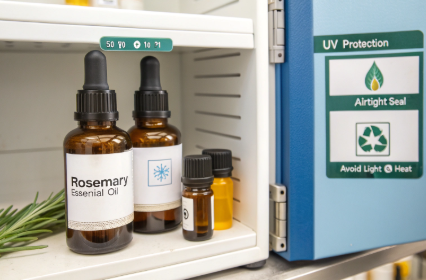
Essential oils don’t need refrigeration but may benefit from it depending on oil type, storage conditions, and usage frequency.
Dive Deeper: When Refrigeration Helps—and When It Doesn’t
Some oils with high volatility (like citrus oils) degrade faster than others and gain more from being chilled. Rosemary oil is relatively stable, but long-term storage in unstable environments can cause problems.
Storage Recommendations by Oil Type:
| Oil Type | Refrigeration Recommended? | Notes |
|---|---|---|
| Citrus oils (lemon, orange) | Yes | Oxidize quickly, lose scent |
| Herbaceous oils (rosemary, basil) | Optional | Stable but benefits from cool storage |
| Resinous oils (frankincense) | No | Thickens too much in fridge |
| Carrier oils (jojoba, sweet almond) | Yes | Prone to rancidity |
Brand Packaging Strategy:
As a sourcing manager or private label owner, your oil’s shelf life affects your brand’s integrity. If you're unsure about how your customers will store oils post-sale, it’s safer to overprotect than underprepare. That’s why at PauPack, we advise our partners to package oils with airtight seals, UV-blocking bottles, and informative labels that include storage instructions.
How long does rosemary oil last once opened?
Essential oils don’t last forever. The clock starts ticking once the bottle is unsealed.
Once opened, rosemary essential oil typically lasts between 1 to 2 years if stored correctly.
Dive Deeper: Shelf Life Factors and How to Maximize It
Several factors influence how long your rosemary oil will stay fresh and effective:
1. Oxidation Exposure
Each time the cap is opened, air enters the bottle. This accelerates oxidation, dulling aroma and therapeutic potency.
2. Sunlight Exposure
UV rays break down chemical compounds—faster than you think. This is why transparent or poorly stored oils lose their color or scent.
3. Temperature Fluctuations
Changes in heat can destabilize volatile compounds, causing separation or cloudiness.
| Factor | Impact | What to Do |
|---|---|---|
| Air | Speeds up degradation | Use reducers or droppers |
| Heat | Breaks down oil | Store in cool areas |
| Light | Alters scent/color | Use amber glass |
For B2B clients, shelf life transparency builds trust. PauPack includes shelf life guidance and labeling support as part of our custom packaging solutions. From batch numbers to expiration printing, we help brands communicate quality clearly and consistently.
Conclusion
Proper storage isn’t optional—it’s essential for maintaining the quality and value of rosemary essential oil, whether you’re a formulator, brand owner, or reseller.