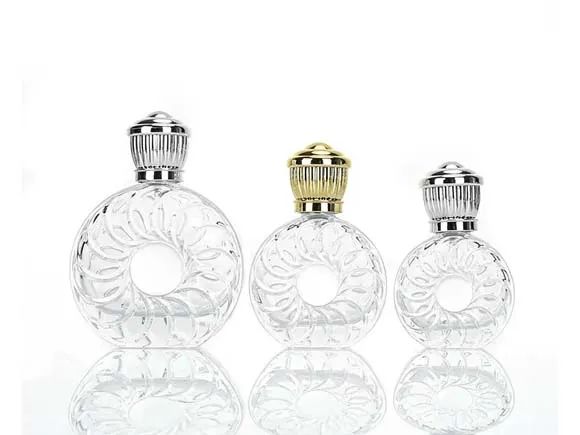


Glass wine bottles are a vital part of the wine industry, playing a crucial role in preserving the quality of wine while serving as a key element of brand identity and consumer appeal. At Paupacking, we specialize in manufacturing premiumGlass Wine Bottlesthat combine exceptional craftsmanship, innovative design, and sustainable production practices. Our bottles cater to a wide range of wine styles and market segments, helping brands stand out and connect with consumers.
This article provides an in-depth exploration of glass wine bottles, expanding on each aspect to reach a comprehensive 4000-word count. We cover everything from raw materials and manufacturing processes to customization, market trends, quality assurance, and logistics, offering valuable insights for businesses aiming to elevate their wine packaging.
1. The Role and Importance of Glass Wine Bottles
Glass wine bottles are more than just packaging; they are storytellers that convey the heritage, quality, and character of the wine inside. The bottle’s design, color, and finish influence consumer perceptions and purchasing decisions, making packaging a strategic marketing tool.
Preservation of Wine Quality
Glass is chemically inert, meaning it does not react with the wine, thus preserving its flavor and aroma over time. The impermeability of glass prevents oxygen ingress, which can cause oxidation and spoilage. Additionally, colored glass bottles—such as green, amber, or black—protect wine from harmful ultraviolet (UV) light that can degrade delicate compounds, especially in white and rosé wines.
Consumer Perception and Brand Identity
The shape and style of a wine bottle evoke specific wine traditions and expectations. For example, Bordeaux bottles with straight sides and high shoulders are associated with robust reds like Cabernet Sauvignon, while Burgundy bottles with sloping shoulders are linked to Pinot Noir and Chardonnay. The bottle’s weight, glass clarity, and finish also contribute to the perception of luxury and quality.
Paupacking’sGlass Wine Bottlesoffer a broad selection of classic and contemporary shapes, enabling brands to express their unique identity and appeal to target consumers.
Emotional and Cultural Significance
Wine bottles often carry cultural symbolism and emotional resonance. They are integral to celebrations, rituals, and gifting traditions. The tactile experience of holding a well-crafted glass bottle enhances the sensory enjoyment of wine, reinforcing brand loyalty and consumer satisfaction.
2. Raw Materials and Glass Composition: The Foundation of Quality
The quality and performance of glass wine bottles depend heavily on the raw materials used in their production. Understanding these materials helps appreciate the craftsmanship behind each bottle.
Silica Sand (SiO₂)
Silica sand is the primary ingredient, forming the structural backbone of glass. High-purity silica ensures transparency, strength, and chemical resistance. Impurities in the sand can cause discoloration or weaken the glass.
Soda Ash (Sodium Carbonate)
Soda ash lowers the melting temperature of silica, making the glassmaking process more energy-efficient. It also influences the glass’s viscosity and workability during forming.
Limestone (Calcium Carbonate)
Limestone adds durability and hardness to the glass, improving resistance to chemical attack and mechanical wear.
Alumina (Aluminum Oxide)
Alumina enhances the glass’s scratch resistance and mechanical strength, essential for bottles that undergo handling, transport, and storage.
Recycled Glass (Cullet)
Incorporating cullet reduces raw material consumption and energy use. Paupacking optimizes cullet content to balance sustainability with glass quality, ensuring clarity and strength.
Colorants and UV Protection
Trace elements such as iron oxide, cobalt, selenium, and chromium create colored glass variants. Green and amber glasses are common for wine bottles, providing UV protection that preserves wine quality. Paupacking offers a variety of colors to meet functional and branding needs.
3. Manufacturing Process of Glass Wine Bottles
The production of glass wine bottles is a complex, highly controlled process involving several stages to ensure quality, consistency, and safety.
3.1 Batch Preparation and Mixing
Raw materials are precisely weighed and mixed to form a homogeneous batch. Automated batching systems at Paupacking maintain exact proportions to ensure consistent glass quality and performance.
3.2 Melting
The batch is melted in furnaces at temperatures between 1300°C and 1600°C. The molten glass is refined to eliminate bubbles and impurities, producing a clear, uniform liquid.
3.3 Forming
Molten glass is shaped into bottles using advanced automated forming machines:
-
Blow-and-Blow Method:Used for narrow-necked bottles, where molten glass is first blown into a parison and then into the final mold.
-
Press-and-Blow Method:Suitable for wide-mouth bottles, where molten glass is pressed into a parison mold before being blown to shape.
Paupacking’s forming machines combine precision and speed, ensuring uniformity and minimal defects.
3.4 Annealing
Bottles pass through an annealing lehr, where controlled cooling relieves internal stresses, preventing cracks and enhancing strength.
3.5 Inspection
Automated and manual inspections check for bubbles, cracks, dimensional accuracy, and surface defects. Paupacking employs advanced imaging and laser measurement technologies to maintain high quality.
3.6 Decoration and Finishing
Decoration options include screen printing, hot stamping, frosting, and embossing. Caps and closures are fitted according to client specifications.
3.7 Packaging and Shipping
Finished bottles are packaged securely with customized solutions to protect during transport. Paupacking offers global logistics support for timely delivery.
4. Types and Shapes of Glass Wine Bottles
Wine bottles come in a variety of shapes and sizes, each associated with specific wine types and regional traditions.
Bordeaux Bottle
Characterized by straight sides and high shoulders, the Bordeaux bottle is commonly used for Cabernet Sauvignon, Merlot, and other full-bodied reds. Its design facilitates sediment collection during pouring.
Burgundy Bottle
With gently sloping shoulders and a wider body, the Burgundy bottle is favored for Pinot Noir and Chardonnay. Its elegant shape reflects the finesse of these wines.
Champagne Bottle
Designed to withstand high internal pressure, champagne bottles feature thick glass and a deep punt. Their shape supports sparkling wines and sparkling rosés.
Alsace/Mosel Bottle
Tall and slender, these bottles are traditionally used for Riesling and other aromatic whites. Their shape emphasizes elegance and freshness.
Claret Bottle
A variation of the Bordeaux style with a tapered neck, often used for French red wines.
Size Variations
-
Standard 750ml bottles dominate the market.
-
Half bottles (375ml) are popular for sampling or smaller servings.
-
Magnum (1.5L) and larger formats cater to special occasions and collectors.
Paupacking offers a comprehensive range ofGlass Wine Bottlesin all these styles, customizable to client needs.
5. Advantages of Glass Wine Bottles
Superior Preservation
Glass’s impermeability and inertness ensure wine flavor and aroma remain intact over time, preventing contamination and oxidation.
UV Protection
Colored glass bottles protect wines from light-induced spoilage, extending shelf life.
Sustainability
Glass is fully recyclable and reusable, aligning with eco-conscious consumer trends and regulatory requirements.
Premium Perception
Glass packaging conveys quality, tradition, and luxury, enhancing brand value and consumer trust.
Versatility
Glass bottles can be tailored in shape, size, color, and finish to suit diverse products and markets.
Paupacking’sGlass Wine Bottlesmaximize these benefits, helping brands build trust and loyalty.
6. Customization Options for Glass Wine Bottles
Customization is key to brand differentiation and consumer engagement.
Bottle Shape and Size
Custom molds enable unique bottle designs and volumes, allowing brands to express their identity.
Color and Finish
Options include clear, green, amber, and custom tints, with finishes like frosted, glossy, or textured.
Branding and Decoration
Screen printing, hot stamping, embossing, and labeling provide versatile branding solutions.
Closures
Variety of corks, screw caps, synthetic stoppers, and tamper-evident seals are available.
Packaging
Custom boxes, inserts, and eco-friendly materials enhance protection and presentation.
Paupacking’s expertise enables tailored solutions for every client.
7. Market Trends Driving Glass Wine Bottle Demand
Sustainability
Increasing environmental awareness drives demand for recyclable and reusable packaging.
Premiumization
Luxury and boutique wines use distinctive glass bottles to convey exclusivity and heritage.
Personalization
Limited editions and bespoke designs attract collectors and enthusiasts.
E-commerce
Glass bottles offer a premium unboxing experience critical for online sales.
Regulatory Changes
Plastic bans and environmental policies encourage glass adoption.
Paupacking continuously innovates itsGlass Wine Bottlesto align with these trends.
8. Quality Assurance and Food Safety
Paupacking ensures:
-
Compliance with FDA, EU, and global standards.
-
Use of lead-free, BPA-free, food-grade glass.
-
Rigorous testing for strength, leak-proof performance, and durability.
-
Sanitary production environments.
-
Traceability and batch documentation.
This guarantees safe, reliableGlass Wine Bottles.
9. Logistics and Wholesale Ordering Considerations
-
Flexible minimum order quantities to accommodate startups and large brands.
-
Transparent lead times with efficient production scheduling.
-
Secure, eco-friendly packaging tailored to product needs.
-
Competitive pricing with bulk discounts.
-
Dedicated customer support for seamless order management.
Paupacking facilitates smooth procurement and delivery, ensuring customer satisfaction.
10. Comparing Glass Wine Bottles to Alternative Packaging
| Packaging Type | Environmental Impact | Product Preservation | Consumer Perception | Cost | Reusability |
|---|---|---|---|---|---|
| Glass Bottles | Fully recyclable, reusable | Excellent | Premium, authentic | Higher upfront cost | High |
| Plastic Bottles | Often single-use, less recyclable | Good | Convenient | Lower cost | Low |
| Cartons | Renewable materials, recyclable | Good | Eco-friendly | Moderate cost | Low |
| Metal Cans | Recyclable | Excellent | Durable | Higher cost | Moderate |
Glass wine bottles from Paupacking offer unmatched sustainability and premium appeal.
Table: Glass Wine Bottle Sizes and Features
| Size (ml/oz) | Typical Use Case | Neck Size (mm) | Closure Options | Special Features |
|---|---|---|---|---|
| 375 ml (12.7 oz) | Half bottle | 28-38 | Cork, screw cap | Popular for sampling and gifts |
| 750 ml (25 oz) | Standard bottle | 28-38 | Cork, synthetic stopper | Classic size, versatile |
| 1.5 L (50.7 oz) | Magnum | 38-48 | Cork, heavy-duty closures | For premium or celebratory use |
| 3 L (101 oz) | Jeroboam | 48-58 | Custom closures | Large format for collectors |
| Custom sizes | Specialty products | Custom | Custom closures | Tailored for branding |
Glass wine bottles are timeless, sustainable packaging solutions that enhance product quality and brand prestige. Paupacking’s wholesaleGlass Wine Bottlescombine innovation, craftsmanship, and environmental responsibility to meet the evolving needs of the wine industry.
Explore Paupacking’s full range today and partner with a trusted manufacturer and vendor dedicated to excellence in glass wine bottles.