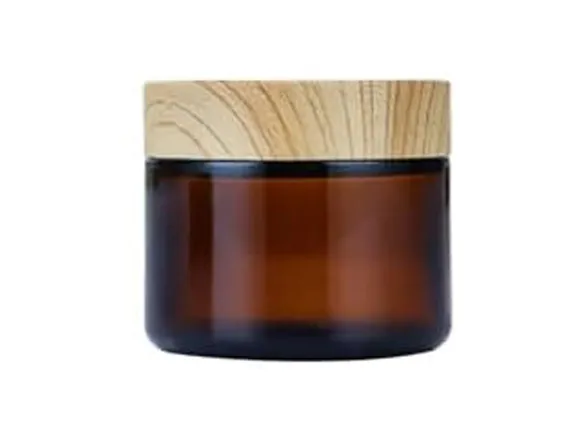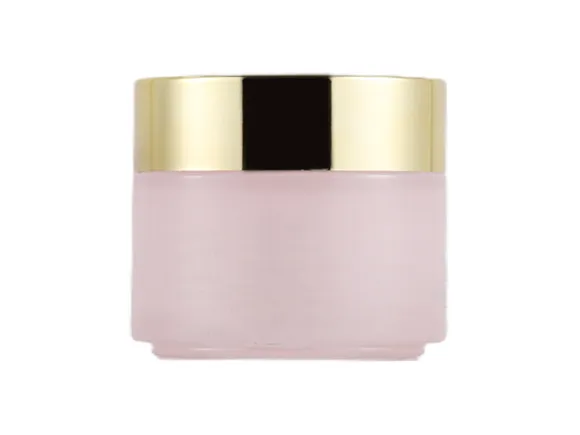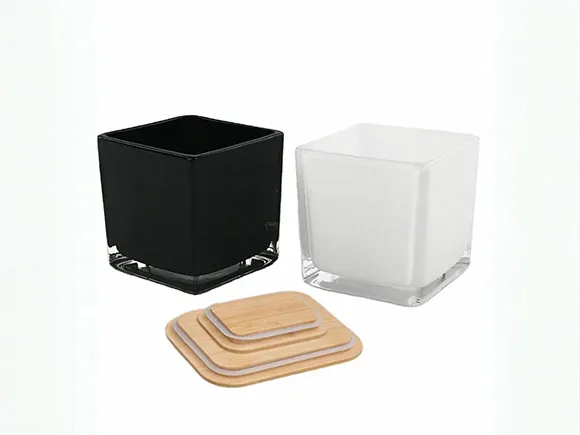


An essential oil bottle lead time is a chain of clocks, not one factory promise. PauPack separates the program into six gates so buyers can see which decisions are waiting, which work can overlap and which change will restart approval.
Clock 1 Starts with a Frozen Request
Record capacity, glass color, neck finish, closure, decoration, quantity, destination and required date. An incomplete request produces a provisional estimate, not a committed schedule. PauPack's essential oil bottle range helps buyers identify stock platforms before the clock begins.
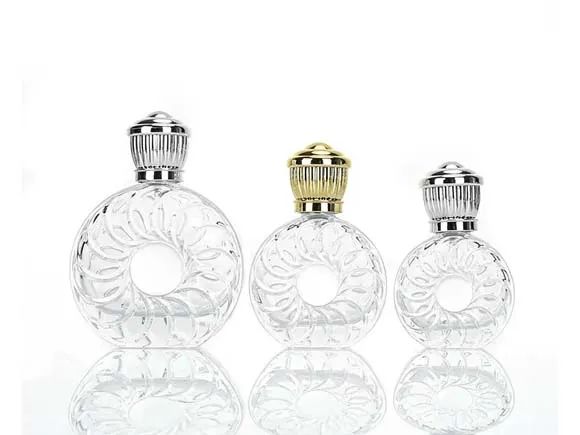
Clock 2 Covers Samples and Component Matching
Stock bottle samples may move faster than custom colors, tools or decorated prototypes. Identify what each sample represents and which components are production-intent. Product owners should reserve time for formula compatibility, dispensing and leakage evaluation rather than treating sample arrival as approval.
Clock 3 Belongs to Artwork and Decoration
Artwork review, color references, screens, plates, coatings or labels can run beside technical testing only when interfaces are stable. PauPack's design service coordinates artwork versions, protected zones and physical masters.
Clock 4 Is the Production Window
A reliable essential oil bottle lead time distinguishes material allocation, forming or supply, closure production, decoration, assembly and inspection. Confirm whether quoted days begin at purchase order, deposit, final artwork, sample approval or material readiness.
Clock 5 Covers Release and Packing
Inspection, retained samples, case packing, documents and corrective action need visible time. PauPack's quality management approach links release criteria to the packed lot instead of assuming production completion equals shipping readiness.
Clock 6 Ends at the Agreed Delivery Point
Add pickup, consolidation, export handling, main transport, customs assumptions and final delivery. Separate controllable production dates from estimated carrier dates. Build a decision buffer around approvals, not by hiding uncertainty inside one long number.
Maintain a dated schedule snapshot after every gate. It should show the baseline, actual completion, open decision and revised downstream date so commercial teams do not keep circulating an obsolete promise.
PauPack's manufacturing program, services and MOQ planning guide support realistic scheduling. PauPack commits an essential oil bottle lead time after all six clocks have owners and start conditions.
Frequently Asked Questions
When does lead time officially start?
State the trigger explicitly, such as final specification, deposit, artwork approval or sample release.
Can testing and artwork run together?
Some work can overlap when interfaces are stable, but a component change may require artwork or testing review.
Does production completion mean ready to ship?
No. Inspection, corrective action, packing, documentation and pickup may still remain.
How should delays be reported?
Show the affected gate, owner, cause, revised date and downstream impact on the critical path.