

You bought essential oils a while ago—still sealed, still smelling good. But are they still effective? Do essential oils expire even if you’ve never opened them?
Yes, unopened essential oils can expire over time, although they last longer than opened oils. Most will remain potent for 1–8 years, depending on storage conditions and oil type.
Let’s explore shelf life, signs of spoilage, and how to protect your oils so they stay fresh and effective for as long as possible. Whether you're a wellness brand or just building a home collection, proper care of your essential oils ensures both performance and safety.

How long do unopened essential oils last?
It depends on the oil and how it's stored.
Unopened essential oils can last anywhere from 1 to 8 years or more, depending on the type of oil, bottle material, and storage environment.
Shelf Life by Oil Type:
| Oil Type | Approximate Shelf Life (Unopened) |
|---|---|
| Citrus Oils (lemon, orange) | 1–2 years |
| Floral Oils (lavender, rose) | 2–3 years |
| Herbal Oils (tea tree, peppermint) | 3–4 years |
| Wood Oils (cedarwood, sandalwood) | 5–8+ years |
| Resin Oils (frankincense, myrrh) | 6–10+ years |
Citrus oils tend to oxidize faster because of their high monoterpene content. Resin and wood oils, on the other hand, contain heavier molecules that degrade more slowly.
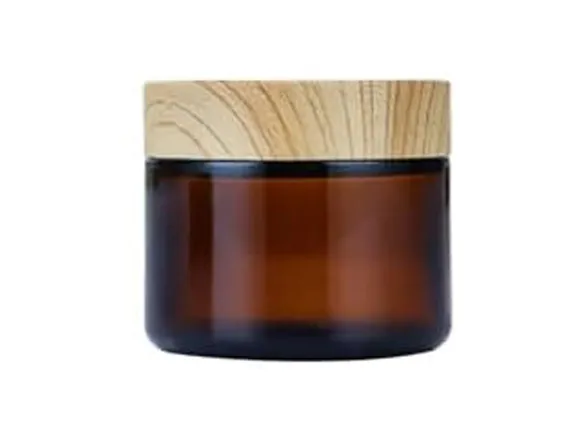
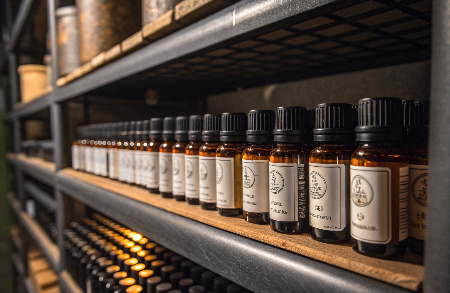
Properly sealed and stored in dark glass bottles, essential oils remain stable far longer. That’s why at PauPack, we use amber and cobalt glass packaging, fitted with leak-resistant caps and reducer inserts to protect oils from air exposure, light, and oxidation—helping your products last well beyond average shelf-life estimates.
When should I throw out my essential oils?
Use your senses—and a little common sense.
You should throw out essential oils if they smell sour, have changed color, or feel thicker or stickier than usual. These are signs the oil has oxidized or gone rancid.
Red Flags to Watch:
-
Sour or metallic odor: A telltale sign of oxidation
-
Cloudiness or sediment: Indicates contamination or breakdown
-
Thick or sticky texture: Oil has chemically altered
-
Faded or altered aroma: Loss of potency and purity
-
Past 2 years opened: Especially for top-note oils like citrus and mint
Expired oils may not harm you outright, but they don’t deliver the intended benefits. If you're formulating for resale, using compromised oils affects both product performance and brand trust.
At PauPack, we recommend that all essential oil bottles include batch numbers and expiration or “best by” dates as part of a good manufacturing practice (GMP). This ensures traceability and quality assurance, especially for export or compliance with regulatory agencies.
What happens if you use expired oils?
It may not be dangerous—but it won’t be ideal either.
Using expired essential oils can lead to skin irritation, reduced effectiveness, unpleasant odor, and in rare cases, allergic reactions due to chemical changes.
What Could Go Wrong:
| Risk | Explanation |
|---|---|
| Skin Irritation | Oxidized oils become more reactive |
| Reduced Potency | Aroma and therapeutic benefits fade |
| Diffuser Damage | Thickened oils may clog machines |
| Rancid Smell | Makes products smell “off” or unpleasant |
Expired oils are especially risky in topical formulations. Oxidation can make them sensitizing to the skin, even if the original oil was considered gentle. That’s why professional aromatherapists and cosmetic formulators always check the freshness of raw materials.
At PauPack, we support our clients with storage guidance and product testing protocols, helping brands maintain consistent quality across seasonal batches.
How to tell if essential oil is rancid?
Let your senses be the guide.
You can tell if an essential oil is rancid if it smells sour, metallic, or stale, appears darker or cloudy, or feels thicker and sticky when poured.
Quick Quality Test:
| Check | What to Look For |
|---|---|
| Smell | Original scent gone or replaced with sour/musty odor |
| Color | Darker, cloudy, or visibly separated |
| Texture | Thicker, tacky, or greasy |
| Behavior | Diffuses poorly or irritates skin |
Sometimes you can “rescue” slightly oxidized oils for non-skin applications like cleaning sprays or shoe deodorizers, but they should never be used in serums, mists, or roll-ons. If you’re unsure, it’s safer to discard and replace.
Proper storage is essential to avoid spoilage. Store oils:
-
In cool, dark locations (ideally under 20°C / 68°F)
-
Away from heat sources and humidity
-
In upright position to protect reducer and seal integrity
PauPack offers UV-blocking glass bottles with tight-sealing caps and tamper-proof designs, engineered for essential oils with long shelf-life expectations—even in global transit or retail storage conditions.
Why packaging plays a critical role
Even the highest-grade oil will degrade in poor packaging.
At PauPack, we’ve seen firsthand how correct packaging extends oil shelf life. That’s why we help brands choose:
-
Amber or cobalt bottles to block UV light
-
Pharmaceutical-grade glass for chemical stability
-
Reducer caps to control flow and minimize air exposure
-
Custom closures for airtight seals, even after repeated use
We also offer OEM and ODM services for brands looking to create full essential oil lines—from primary packaging to label design and compliant labeling.
If you're storing essential oils in bulk or considering retail formats, remember that quality is only as good as your container.
Conclusion
Yes, even unopened essential oils can expire—but with proper storage and packaging, they can last for years. Check your oils before use, and when in doubt, trust your nose. At PauPack, we help brands ensure their essential oils arrive fresh, stay potent, and perform exactly as promised—because shelf life starts the moment the bottle is filled.