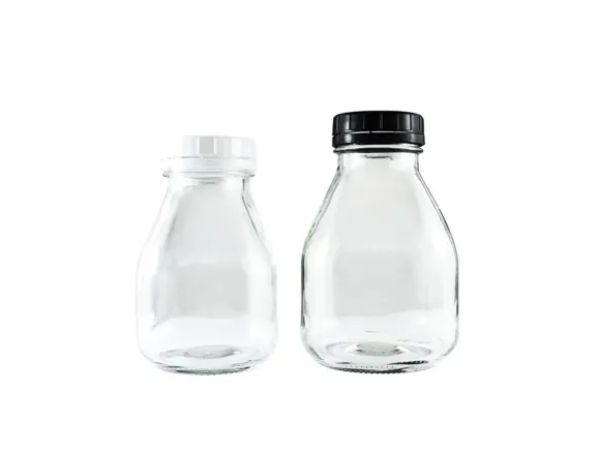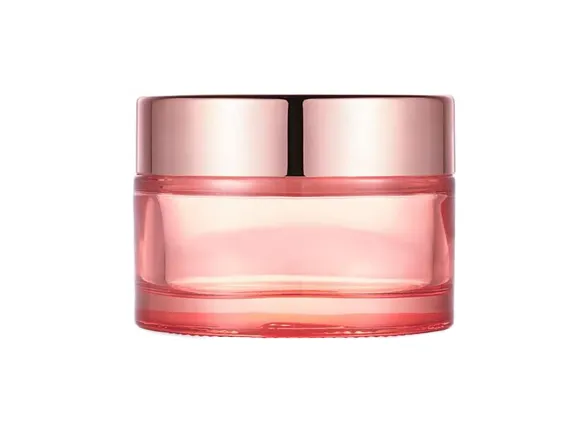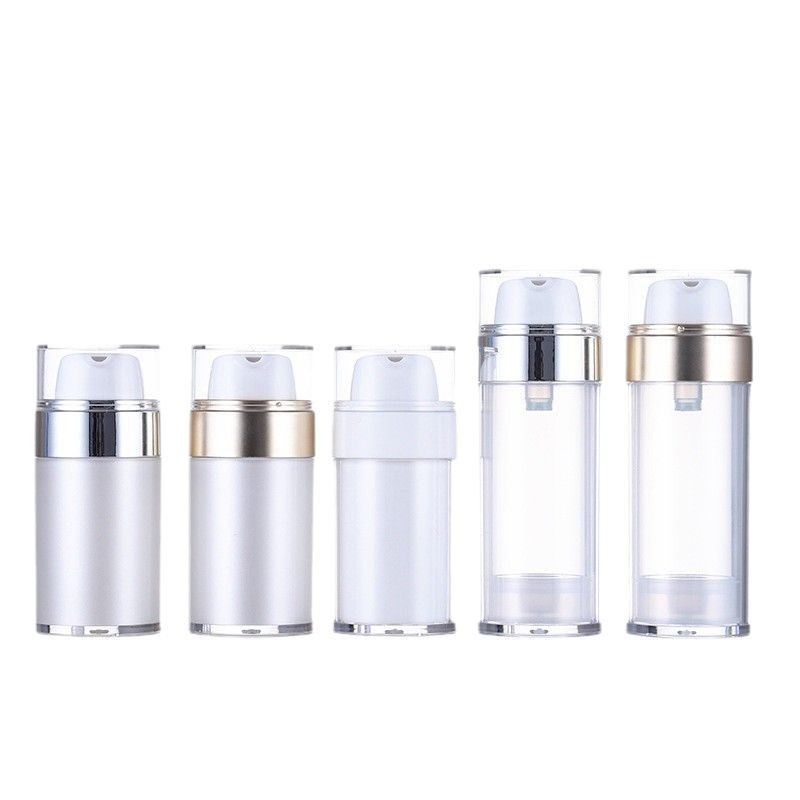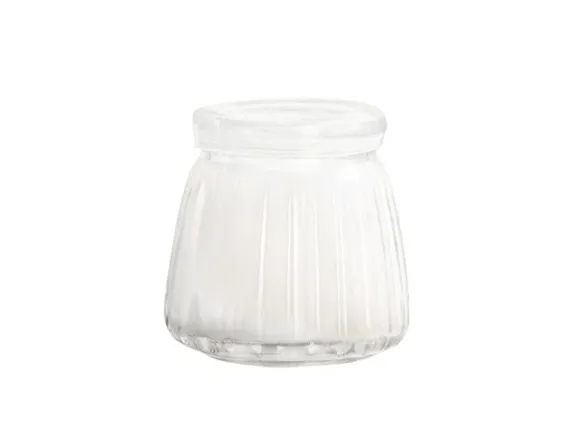


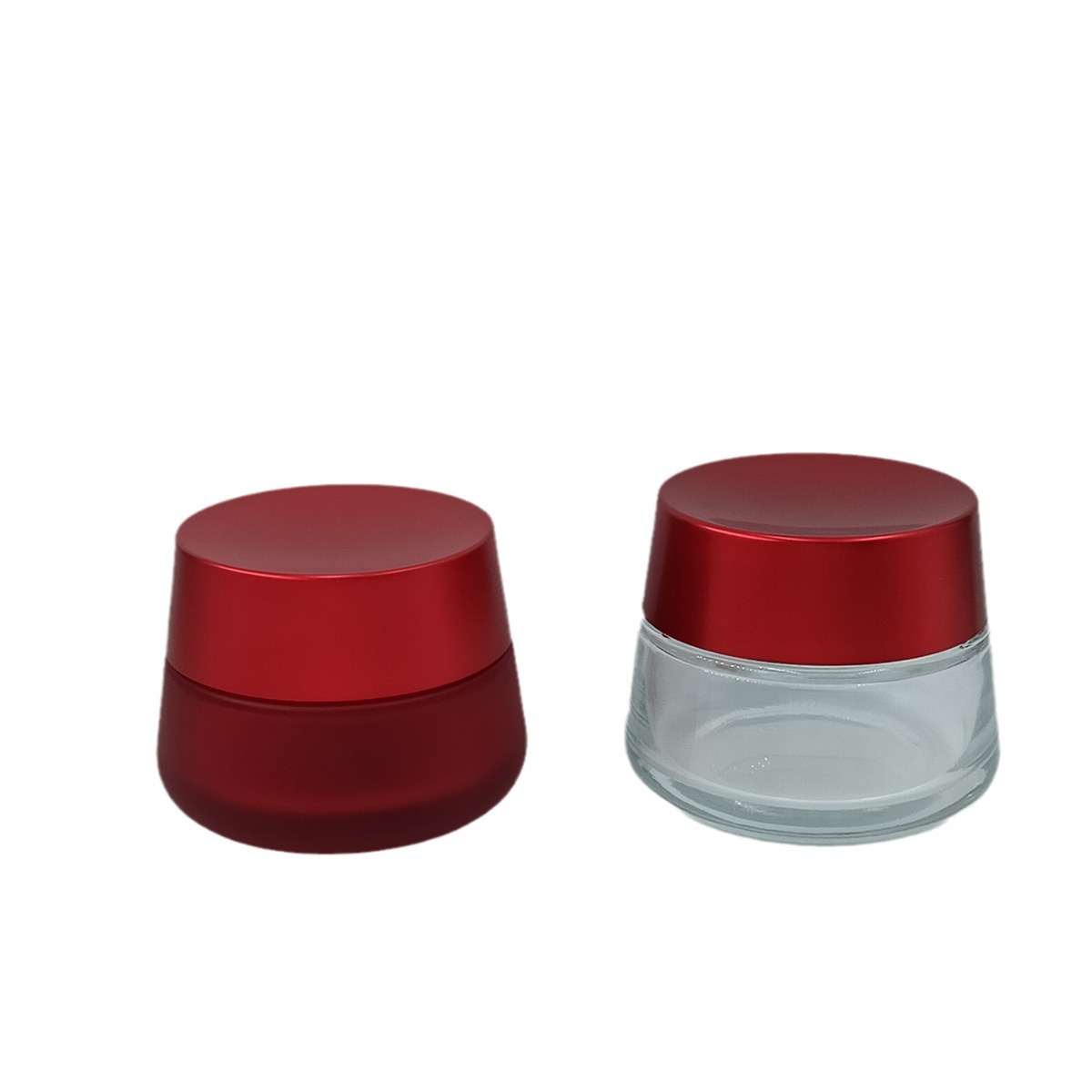
A cosmetic glass container supplier should be evaluated as the owner of a controlled packaging system, not as a gallery of attractive jars. PauPack gives sourcing, quality, product and operations teams one scorecard that links the formula boundary, glass, closure, decoration, case pack and reorder record. The useful question is not “Which sample looks most premium?” but “Which supplier can show what is approved, what remains open and what will trigger another decision?”
Scorecard Rule Zero: Freeze the Sellable Unit
List every component that reaches the customer: jar or bottle, lid, pump or dropper, liner, seal, accessory, label, carton and insert. Record capacity, finish, color, component code and revision. PauPack treats an unlabeled sample as inspiration, not evidence. A supplier earns the first score only when the quoted unit can be traced to the parts that will actually be ordered and assembled.

Score Band 1: Product and Contact Boundary
Describe viscosity, particulates, fragrance, active-system considerations, fill temperature, contact duration, storage and dispensing behavior. The customer's qualified technical owners decide the applicable compatibility work. PauPack expects the cosmetic glass container supplier to identify product-contact surfaces and limits without claiming that a generic material name proves suitability for every formula.
Score Band 2: Closure Ownership
Threads, liners, gaskets, pumps, collars and seals create interfaces that can fail even when individual parts meet drawings. Score whether the offer identifies the closure manufacturer, subcomponents, application route and change-notification requirement. PauPack links the glass and closure approval so a visually similar substitute cannot enter a reorder without review.
Score Band 3: Usable Fill, Not Nominal Capacity
Nominal volume does not decide the commercial fill. Headspace, shoulder shape, filling accuracy, closure clearance, product presentation and consumer access all matter. Ask for a production-relevant filled trial and record target weight or volume, visible fill line and closing result. PauPack keeps this result beside the approved drawing instead of leaving it in an email thread.
Scoring principle: award points for traceable evidence and clear ownership, not for the number of certificates attached to a quote.
The Evidence-Weighted Supplier Table
| Dimension | Evidence to request | Weak-answer signal |
|---|---|---|
| Identity | Codes, drawings, revisions and sample labels | “Same as photo” |
| Function | Filled-use and assembly records | Material name only |
| Appearance | Masters, viewing rules and defect language | “Luxury quality” |
| Delivery | Case, pallet and distribution assumptions | Loose bottle test |
| Reorder | Change notice and retained reference | Uncontrolled substitution |
Score Band 4: Decoration as a Production Process
Coating, frosting, printing, labels and metallized parts meet guides, gloves, filling equipment, dividers and neighboring components. A capable cosmetic glass container supplier maps artwork to contact zones and defines color, registration, adhesion assumptions and inspection conditions. PauPack separates a digital rendering from production approval and preserves an identified physical master.
Score Band 5: Label Space and Destination Review
Artwork must fit the actual curve, lid, base and outer carton. The FDA Cosmetics Labeling Guide explains placement and presentation concepts for U.S. cosmetic labeling; destination-specific decisions remain with the brand's qualified regulatory owner. PauPack supplies dielines and samples so legal content and brand hierarchy are reviewed on the real pack.
Score Band 6: Cosmetic Inspection Without Vague Adjectives
Translate “heavy,” “clear,” “matte” or “premium” into agreed color ranges, seam expectations, base appearance, surface limits, logo position and viewing conditions. Keep cosmetic observations separate from conditions that may affect filling, closing, handling or safety. PauPack gives a cosmetic glass container supplier a defect vocabulary that purchasing and quality teams can both apply.
Score Band 7: MOQ by Component
The glass, lid, liner, color, print setup, label and carton may follow different minimums and case multiples. Score whether the quotation shows sellable units, setup units, spares and residual inventory under base and downside forecasts. PauPack prefers visible assumptions over a single blended MOQ that becomes impossible to reconcile after artwork or forecast changes.
Score Band 8: Sample Rounds With Decisions
Use stock fit samples first, then filled-use units, production-relevant decoration and finally the complete packed case. Every round should state the question, result, deviation and approver. PauPack prevents rejected or exploratory pieces from becoming accidental masters and asks the cosmetic glass container supplier to preserve lot and component identity throughout the sequence.
Score Band 9: Packed-Product Protection
Define case count, dividers, bagging where appropriate, orientation, pallet pattern and destination handling. Select distribution work around the intended packaged product and route rather than copying a generic test name. PauPack connects component protection to the actual decorated sellable unit and retains the approved case configuration for future orders.
Score Band 10: Capacity and Decision Dates
Nominal production days do not include customer decisions. Map glass availability, closure supply, decoration, filled trials, packing approval, inspection and freight booking, then add owners and response dates. PauPack scores whether the supplier exposes dependencies and consequences. A believable schedule is often more valuable than an aggressive date with invisible assumptions.
Run a Red-Flag Interview
Ask what can change without notice, what evidence is created during production, how failures are quarantined, which sample governs inspection and how replacement components are handled. A strong cosmetic glass container supplier can answer with current records and named owners. PauPack marks unresolved questions rather than converting confident sales language into a false pass.
Compare Total Exposure, Not Only Piece Price
Include tooling, decoration setup, sample rounds, inspection, packing, freight, duty assumptions, line loss, damaged units, spares and residual inventory. Note uncertainty beside every estimate. PauPack may recommend a simpler stock route when it protects timing and replenishment. The most decorated option is not automatically the best commercial system.
Hold a Cross-Functional Score Review
A score should not belong to purchasing alone. Ask product development to review contact and dispensing assumptions, operations to review filling and assembly, quality to review inspection evidence, logistics to review the packed route and finance to review cash exposure. Each owner should record a pass, a condition or an open question beside the same component revision. PauPack uses this meeting to expose tradeoffs: a jar that wins on appearance may lose points for a unique lid, fragile decoration or inefficient case. The cosmetic glass container supplier then receives one consolidated request instead of contradictory comments from five inboxes.
Use Weighted Gates Instead of a Decorative Total
Not every score carries equal risk. A missing color master may delay visual approval; an unresolved product-contact surface or closure interface may block the program. Define non-negotiable gates before calculating a total, then weight commercial, technical and delivery factors according to the launch. PauPack records the evidence date and owner behind every rating. If two candidates finish within a narrow band, run the same filled-use or packed-case question with both rather than choosing the one with the more polished presentation.
Make the First Purchase Order a Controlled Experiment
The first commercial order should state current drawings, components, decoration references, packing, inspection language, approved deviations and change-notice expectations. Reserve units for receiving comparison, filled review and retained samples. PauPack also schedules a post-order review covering yield, line loss, damage, response time and remaining inventory. This converts supplier selection into a learning loop: evidence from the first order updates the next scorecard, while transient launch problems are separated from structural supplier weaknesses.
Turn the Scorecard Into a Reorder File
Archive drawings, codes, declarations, physical masters, filled results, inspection rules, packed references and approved deviations. Require review of changes to source, material, closure, liner, color, process or case. PauPack connects its glass cream jar range, quality process and project record.
Ask PauPack for an Evidence-Ready Shortlist
Send the formula profile, fill target, closure route, finish, volumes, destinations and launch date. PauPack can compare each cosmetic glass container supplier candidate through one evidence-weighted scorecard, then build a shortlist that purchasing can price, quality can inspect and operations can trial without rebuilding the brief.
Frequently Asked Questions
What should a cosmetic packaging supplier scorecard include?
Include component identity, formula boundary, closure ownership, decoration controls, sample evidence, packed protection, capacity, change control and commercial assumptions.
Should buyers approve a jar without its lid?
No. The jar, lid, liner or seal and application route form one functional system and should be controlled together.
How can a buyer compare premium appearance?
Use production-relevant samples, physical masters, written defect language, viewing conditions and measurable decoration placement.
Why should formula information be shared early?
It helps qualified teams identify product-contact, dispensing, fill, storage and decoration questions before the package is commercially locked.
What documents belong in a supplier file?
Keep drawings, component codes, declarations, approved samples, test records, artwork, inspection rules, packing references and deviations.
Does the lowest unit price identify the best supplier?
No. Buyers should compare the complete sellable system, evidence quality, schedule, residual inventory, packed damage exposure and reorder resilience.
When should decoration be tested?
Review it on production-relevant components after realistic filling, handling, equipment and packing contact have been defined.
How should MOQ be compared?
Separate minimums and case multiples for glass, lids, liners, colors, print processes, labels, cartons and spare parts.
What change notifications should be required?
Require notice before changes to component source, material, mold, liner, color, decoration process, packing or other approved project conditions.
What should a buyer send PauPack first?
Send the formula profile, target fill, closure route, finish, quantities, destination markets, launch timing and current decision owners.