

A car fragrance bottle factory should be evaluated through the full hanging system, not a close-up of an empty glass shape. The bottle may be inverted, exposed to heat, moved by vibration, handled by a customer and packed beside hardware that can rub the surface. PauPack uses a factory field notebook approach: observe the line, name the evidence, follow one lot and test the route the customer will actually use.
Write the Route Before the Tour
Describe the car attachment, orientation, temperature exposure, liquid, fill, cord or clip, user access, storage and disposal. A car fragrance bottle factory that answers only with a catalog cannot show whether the system fits the route. PauPack converts the route into a short list of observations for engineering, quality and purchasing.
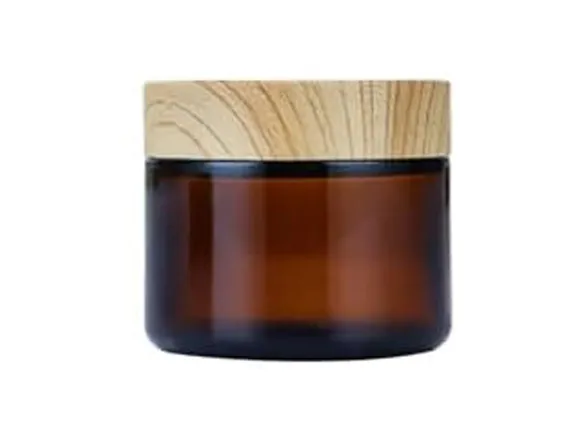
Notebook Page 1: Identify the Assembly
Record bottle code, finish, cap or stopper, liner or seal, cord, clip, reed or wick if used, liquid, fill, decoration, lot and packing. Photograph the assembled state before touching it. PauPack rejects anonymous samples because a later leak, rub or loose attachment cannot be assigned to a component or setup.
Notebook Page 2: Watch the Forming and Annealing Path
Observe how the factory manages mold identity, forming parameters, annealing, visual sorting and lot separation. Ask where a change is recorded and who releases a new mold trial. The purpose is not to collect a dramatic factory photograph; it is to understand how the approved bottle remains the same across a run. PauPack links the observation to the current drawing.
Notebook Page 3: Follow the Closure Route
Check stopper, cap, liner, seal, cord hole, attachment ring and application settings as one system. Record whether the closure is pressed, crimped, screwed or fitted by hand, and what prevents a loose unit from entering packing. A car fragrance bottle factory should explain how it detects a closure that looks acceptable but does not contain the liquid under the hanging route.
Field Evidence Card
| Observation | Ask | Evidence to keep |
|---|---|---|
| Component identity | Which code and revision are running? | Label, drawing and lot photo |
| Closure application | What setting creates containment? | Parameter record and sample |
| Attachment | What carries the hanging load? | Assembly and load observation |
| Decoration | Where can rubbing or heat affect it? | Master and viewing condition |
| Packing | What prevents contact damage? | Case, divider and orientation |
Notebook Page 4: Challenge the Hanging Load
Use the intended cord, clip or ring. Check attachment security, rubbing, twist, inversion and the force created when a customer moves the bottle. Do not substitute a different hardware set and call the result equivalent. PauPack records the load question, the fixture or route used and the condition of the bottle after exposure.
Notebook Page 5: Follow the Liquid Boundary
Confirm fragrance, solvent, color, fill, headspace, contact duration and storage. The formula owner decides suitability; the packaging team supplies evidence about bottle, stopper, liner, seal and decoration. PauPack keeps claims within the tested boundary and flags where a new fragrance requires focused compatibility or containment work.
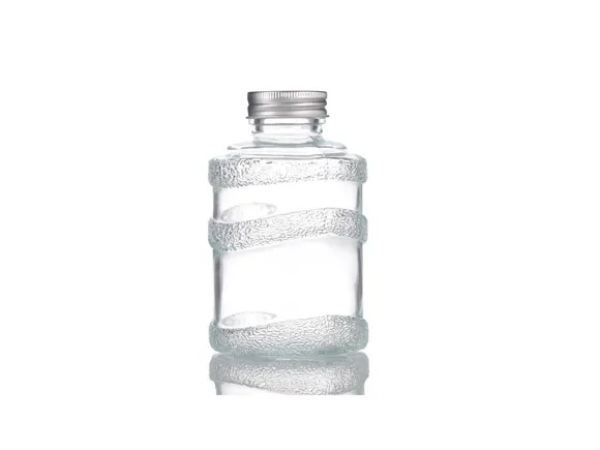
Notebook Page 6: Inspect Heat and Vibration Effects
Describe the temperature range, dwell, orientation, vibration or handling route used by qualified owners. Observe liquid at the stopper, cord hole, cap, label and carton. Photograph before cleaning. A wet label and a cracked bottle can share a visual symptom but require different investigations. PauPack keeps the original evidence intact.
Notebook Page 7: Read the Decoration Line
Check surface preparation, print registration, coating, curing, color reference, handling and inspection light. Ask how a supplier isolates a lot when decoration is outside the approved panel or shows rub after packing. A car interior can expose odor, gloss or color differences that a bright factory light hides. PauPack stores one decorated filled master for comparison.
Notebook Page 8: Audit Packing as a Wear Test
Inspect dividers, sleeves, cords, clips, cartons, pallet pattern and unpacking motion. Hardware can mark glass or decoration while the case is moving. Check whether the attachment is restrained and whether the bottle can invert without striking a neighbor. PauPack maps the packing route to the product record so a change in divider or case count gets reviewed.
Notebook Page 9: Trace a Suspect Lot
Ask the car fragrance bottle factory to show lot identity from forming through closure, decoration, inspection, packing and dispatch. Request the quarantine path, retained sample location, complaint process and change notice categories. A supplier earns confidence when a question can travel backward through the records without relying on one person's memory.
Notebook Page 10: Score Response Quality
After the visit, score evidence completeness, traceability, containment response, defect language, sample discipline, change control and packed-route understanding. Separate what was observed from what was promised. PauPack uses the notebook to compare factories on the quality of the decision path, not on the polish of the showroom.
Define Release Triggers
List changes that reopen work: bottle source, finish, stopper, liner, seal, cord, clip, liquid, fill, decoration, case or distribution route. Assign an owner and minimum evidence. A car fragrance bottle factory may keep the body shape unchanged while changing a closure or cord that changes containment and load; the trigger list makes that visible.
Turn the Visit Into a Buying File
Keep the approved drawing, filled master, factory notes, sample results, packing photographs, inspection instruction, change map and commercial assumptions together. Link to the car perfume bottle range and quality process. PauPack turns a visit into a file the next buyer can actually use.
Ask PauPack for a Factory Field Review
Send bottle size, liquid, hanging route, attachment, artwork, forecast, markets and launch dates. PauPack can evaluate a car fragrance bottle factory through assembly identity, closure evidence, load, decoration, packed wear and reorder controls.
Separate Fragrance Documentation From Packaging Proof
A factory visit can confirm how a bottle is formed and assembled, but it cannot by itself approve every fragrance claim. Keep the fragrance brief, ingredient responsibility, fill level, storage range and intended market in a separate technical file, then link that file to the packaging record. The IFRA Standards Library is an appropriate official starting point for fragrance-use documentation; the fragrance owner must still confirm the relevant standard and finished-product assessment.
For the physical pack, retain one filled hanging master, one closure sample, one decorated reference and one packed case. Label each with bottle, stopper, cord, liquid, lot and revision. Record what was observed, what was measured and what remains an assumption. This prevents a showroom tour from becoming an unsupported promise. PauPack uses the evidence set to explain why a car fragrance bottle factory is ready for a particular route, quantity and formula rather than “approved” in the abstract.
Before the first order, run a short cross-functional review. Quality checks containment and traceability; engineering checks attachment and dimensions; marketing checks the visible panel; logistics checks the carton and pallet pattern; purchasing checks capacity and change notice rules. The team can then set a release boundary and a re-open trigger. PauPack keeps those decisions in the reorder file so a later cord, cap or liquid change is visible.
End the review by asking what would cause the factory to stop a line and who has authority to release it again. The answer should reference a record, not a personal promise. PauPack adds that stop-and-release rule to the buying file so a future complaint can be handled quickly.
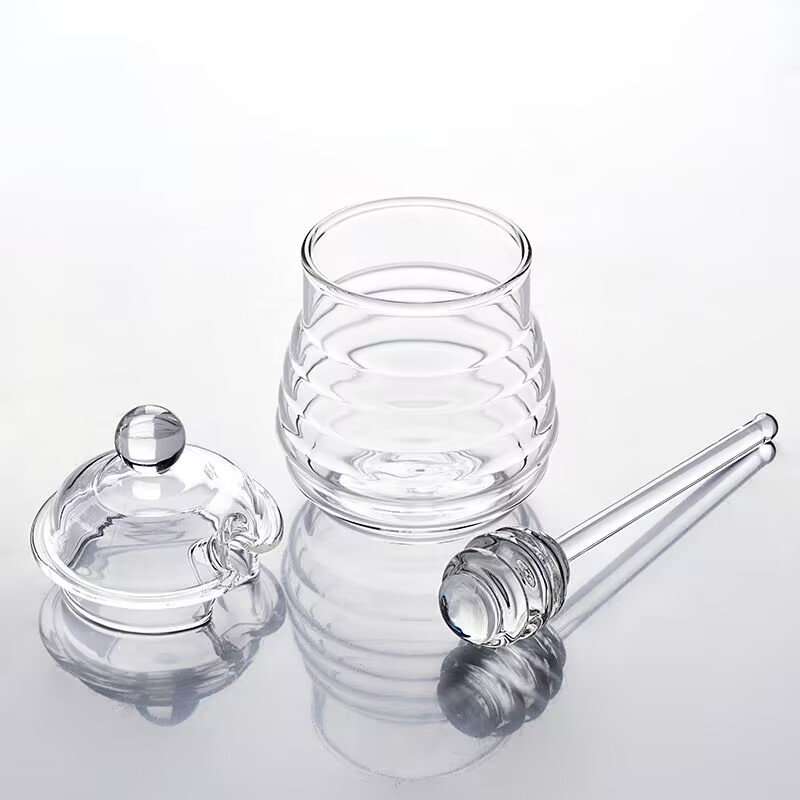
Keep the visit notes dated and attach the exact sample photographs. A later change in cord, stopper or liquid should be compared with that baseline before production resumes. PauPack treats the dated record as part of the release evidence.
Frequently Asked Questions
What should a car fragrance bottle factory prove?
It should show bottle and closure identity, hanging hardware, liquid compatibility, leakage controls, decoration, packing and traceability.
Why is a hanging bottle different from a shelf bottle?
The hanging route adds vibration, inversion, cord or clip loads, temperature swings and a different user interaction.
Which liquid details matter?
Fragrance composition, solvent, fill, headspace, storage and exposure influence bottle, stopper, seal and decoration choices.
Should the cord or clip be tested with the bottle?
Yes. The complete assembly must be reviewed for load, rubbing, orientation and attachment security.
How do brands inspect decoration?
Use a retained master, defined lighting, panel zones, print limits and a packed-route observation.
Can one bottle fit several car models?
A common bottle may work, but hanging position, visibility, heat and attachment route still need review.
What is a useful factory visit question?
Ask how a lot is identified, how suspect units are held, which changes need notice and what evidence is retained.
How should a leaking unit be investigated?
Quarantine it, preserve the original orientation and components, photograph the path and compare with controls.
What does PauPack support?
PauPack can align bottle, stopper, cord, liquid, decoration, packed testing and reorder documentation.
What should a buyer send PauPack?
Send bottle size, liquid, hanging route, attachment, markets, forecast, artwork and launch timing.