

Using essential oils without understanding their application can cause irritation, allergic reactions, or worse—especially if used internally.
Essential oils can be used topically, aromatically, and—under strict guidance—internally. However, for most consumers and cosmetic brands, topical and aromatic use is the safest and most effective.
Let’s break down when and how essential oils can be safely used on the skin, what risks to avoid, and why external use remains the standard across most personal care and wellness products.
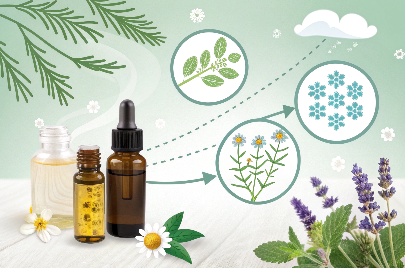

Can you use essential oils on your skin? Why or why not?
Your skin is not a shield—it’s a sponge. Improper use of essential oils can cause damage rather than healing.
Yes, essential oils can be applied to the skin, but they must always be diluted with a carrier oil to avoid irritation, burns, or allergic reactions.
Why dilution is non-negotiable
Essential oils are extremely concentrated. Applying them directly can disrupt the skin’s lipid barrier, especially in sensitive areas like the face or neck. Carrier oils—such as jojoba, coconut, or grapeseed—help “carry” the essential oil safely into the skin while reducing the risk of sensitization.
At PauPack, we produce dropper and roller bottles perfect for topical blends. Our bottles are leak-proof, UV-resistant, and available in travel-friendly formats (like 10ml rollers), making them ideal for skin-safe applications.
What counts as a safe dilution?
-
1% dilution for facial products (5–6 drops per 30ml carrier oil)
-
2–3% dilution for body applications
-
5%+ only under professional guidance for spot treatments (e.g. muscle pain)
Can essential oils be used topically?
The question isn’t “Can they?”—but “How should they?”
Yes, essential oils are commonly used topically for skincare, massage, and aromatherapy. But they must be diluted and patch-tested before regular use.
Common topical use cases
-
Lavender oil: calming and anti-inflammatory, great for bug bites or minor burns
-
Tea tree oil: antimicrobial, often used for acne or fungal issues
-
Peppermint oil: used in muscle rubs for cooling relief
Each oil has different dermal safety levels. For example, cinnamon bark or clove oil are more likely to cause irritation and should be used with extra caution or avoided in leave-on products.
Patch test before full application
Apply a small amount of diluted oil to your inner arm and wait 24 hours. If redness, itching, or burning occurs, avoid using that oil on your skin.
Are essential oils for external use only?
Thinking of taking essential oils by mouth? Stop right there unless you're under professional supervision.
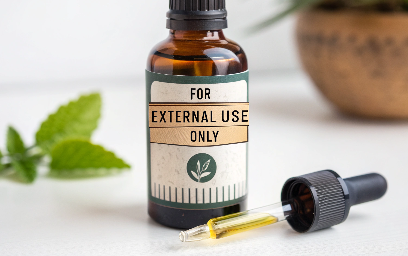
For general consumers and B2B product development, essential oils are strictly for external use—either on the skin or through inhalation. Internal use requires professional guidance.
Why internal use is risky
Essential oils can irritate mucous membranes, interact with medications, or damage the liver and kidneys if ingested improperly. The FDA does not regulate essential oil supplements, making DIY ingestion extremely risky.
Even within the aromatherapy industry, internal use is controversial and mostly restricted to trained professionals such as clinical aromatherapists or naturopaths.
Label responsibly for your customers
If you're formulating products—be it balms, roll-ons, or creams—it's crucial to clearly label your packaging: “For external use only.”
At PauPack, we support beauty and wellness brands in developing compliant, clearly labeled packaging with options for tamper-evident caps, dosage control, and user-friendly dispensers.
What essential oils should not be used on skin?
Some oils are simply too harsh, phototoxic, or allergenic to be safely used in topical applications—especially without expert formulation.
Oils like cinnamon bark, oregano, wintergreen, and undiluted citrus oils should be avoided or used with extreme caution on skin.
High-risk essential oils
| Essential Oil | Risk Type | Notes |
|---|---|---|
| Cinnamon bark | Skin irritant | Only use in extremely low dilution, not for facial use |
| Oregano | Hot oil, causes burns | Suitable only for heavily diluted, short-term spot use |
| Wintergreen | Contains methyl salicylate | Risk of toxicity and allergic reactions, especially in children |
| Lemon/Bergamot | Phototoxic | Increases risk of sunburn when applied before sun exposure |
| Eucalyptus (high cineole) | Respiratory irritant | Should be avoided on young children’s skin |
Safer alternatives
Instead of risky oils, consider gentler options like lavender, chamomile, frankincense, and cedarwood. These are generally well tolerated, especially in facial and body care.
PauPack’s roller and pump bottle series are excellent for brands developing ready-to-apply skin oils. With options for 5ml–100ml containers and UV-protective glass, we help ensure that both formulation and packaging protect your customer.
Conclusion
Essential oils can offer wonderful skin benefits—but only when used the right way. Topical use is safe with the right dilution, the right oil, and the right bottle. PauPack helps you make that happen.