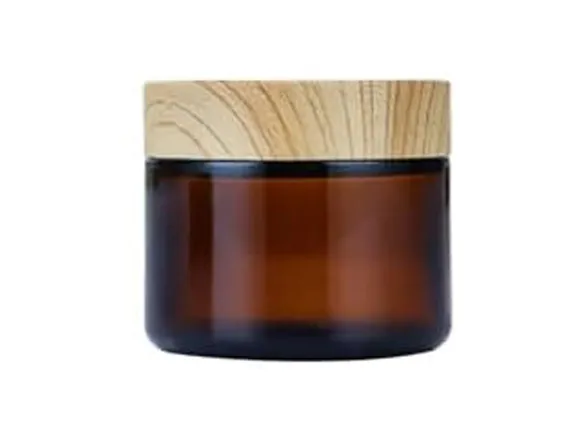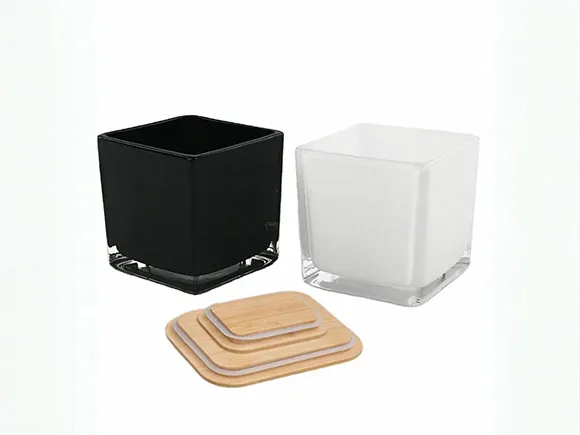


Bamboo essential oil packaging is rarely made from one material. The visible bamboo shell may surround a glass bottle, plastic closure, elastomer bulb, pipette, reducer or roller fitment. PauPack treats the package as a material passport: every layer is identified, assigned a function and connected to the evidence needed for sourcing, claims and repeat orders.
Passport Page 1: State What “Bamboo” Actually Describes
Begin by naming the bamboo component precisely. It may be an overcap, collar, sleeve or decorative shell rather than the product-contact container. Record whether the bamboo is solid, laminated or used with another substrate, and state which supplier controls its dimensions and finish. This prevents a front-of-pack material word from being mistaken for a complete construction claim.
Passport Page 2: Follow the Product-Contact Route
The formula may contact glass, a reducer, pipette, roller ball, gasket or closure liner. Identify those parts independently from the decorative bamboo. Product owners should define formula composition, contact duration, storage conditions and required compatibility work. PauPack keeps the component codes beside the intended use so a material substitution cannot disappear behind an unchanged exterior.
Passport Page 3: Match the Dispensing Moment
Droppers, reducers, roll-ons and sprays create different user actions. Write the target dose or flow behavior, orientation, opening sequence and portability expectation. A beautiful cap is not successful if it interferes with gripping, controlled dosing or closure application. PauPack connects the dispensing brief to the essential oil bottle range and a matched component trial.
Material passport rule: every sustainability or natural-material statement should identify the exact component, evidence boundary and responsible approver.
Passport Page 4: Read Natural Variation as a Specification
Bamboo can show grain, tone and pattern variation. Buyers should decide which variation is part of the intended natural appearance and which conditions count as workmanship defects. Define viewing distance, light, color reference, surface smoothness, joint appearance and logo placement. PauPack recommends physical masters and a written variation board instead of approving only retouched images.
The Specification Table Behind the Story
| Passport field | What to record | Why it matters |
|---|---|---|
| Container | Material, capacity, neck and drawing revision | Controls fill and interfaces |
| Bamboo part | Component type, construction and finish master | Defines the visible claim |
| Dispenser | Dropper, reducer, roller or spray codes | Controls use and fit |
| Packing | Contact protection, case count and orientation | Protects the finish in delivery |
Check Claims Without Turning Them Into Decoration
The U.S. Federal Trade Commission's Green Guides explain why environmental claims should be specific and qualified where necessary. Destination requirements and substantiation must be reviewed by qualified owners. PauPack does not treat bamboo appearance as automatic proof of recyclability, compostability or reduced impact; it organizes the identified materials and claim boundaries for responsible review.
Map Workmanship at the Hidden Interfaces
Inspect the fit between bamboo shell and inner cap, adhesive or mechanical retention, clearance around the bulb or actuator, and alignment after repeated opening. Also examine edge finishing, moisture exposure assumptions and protection from rubbing in the carton. A loose shell or misaligned logo may come from an interface problem rather than the bamboo surface itself.
Choose the Right Commercial Route
Compare stock glass with a bamboo overcap, semi-custom color and decoration, and fully custom component development. Each route has different minimums, sample stages, setup charges and residual inventory. PauPack separates the sellable-unit quantity from surplus caps, pipettes, liners and cartons so buyers can see landed inventory exposure rather than one headline unit price.
Build a Sample Sequence That Learns in Layers
First review undecorated components and complete fit. Next run filled-use observations under conditions defined by the product owner. Then approve bamboo tone, logo, print or engraving on production-relevant parts. Finish with a packed sample. Each round should have an identity, question, method, result, deviation and approver; unrelated samples should never be combined into an imaginary master.
Plan Capacity, Lead Time and Change Control
Glass availability, bamboo machining or finishing, inner closures, printing and packing may follow different schedules. Ask which operations are in-house, subcontracted or dependent on nominated partners. PauPack adds customer approval windows to the timeline and requires notification for changes to material, construction, finish, component supplier or packing route.
Who This Route Fits—and Who Should Choose Differently
Bamboo essential oil packaging fits brands that value tactile presentation and can maintain component-level specifications. It is less suitable when the commercial story depends on an unqualified whole-package claim or when the supply plan cannot support separate component minimums. A simpler stock closure may be more resilient for highly fragmented forecasts or very rapid seasonal launches.
Create the Reorder Passport
The final file should contain drawings, component codes, material declarations, finish masters, artwork, filled-use observations, packed references, inspection rules and approved claims language. PauPack's quality management, design support and project services keep these decisions connected from sampling through reorder.
Close the Brief With PauPack
Send PauPack the formula family, fill size, dispensing route, bamboo component, finish direction, quantities and destinations. A practical bamboo essential oil packaging RFQ links the product catalog to a specific construction, a responsible claims boundary and a complete packed reference. That combination gives design, purchasing and quality teams one version of the truth.
A Procurement Worksheet for the Complete Assembly
When comparing bamboo essential oil packaging, place every supplier answer in the same worksheet: source part number, material description, contact status, finish, minimum order, case multiple, sample status and change-notification rule. Ask suppliers to mark assumptions rather than leaving blank fields. PauPack then compares complete sellable assemblies, not an attractive cap quoted without its bottle, dispenser or protective packing.
Use a Claim-to-Evidence Ledger
Write every proposed claim in one column and the exact component it describes in another. Add the evidence owner, destination, limitations and approved wording. For bamboo essential oil packaging, the ledger may separate renewable-material language for the outer shell from recyclability instructions for glass and local disposal guidance for mixed closures. PauPack recommends removing any claim that cannot be explained clearly to a buyer or consumer.
Run a Packed-Surface Risk Review
Natural surfaces, engraved logos and printed marks can contact caps, dividers or neighboring units. Review case loading, vibration contact, humidity assumptions and storage orientation with the production-intent finish. A packed reference should show protection materials and case count. This lets bamboo essential oil packaging arrive with the same tactile and visual promise that the sample room approved.
Convert the Passport Into an RFQ Score
Score offers on component identity, dispensing fit, finish control, claims evidence, packed protection, lead time and reorder discipline. Use notes beside every score so tradeoffs remain visible. PauPack may prefer a slightly simpler construction when it has stable codes and a clearer change process. The purpose is not to make bamboo essential oil packaging look complex; it is to make the risks purchasable and controllable.
Review the Passport at Every Commercial Change
A new capacity, seasonal color, alternate dropper, lower forecast or destination can change minimums and approved statements. Reopen only the affected pages, identify remaining inventory and decide whether new samples are needed. PauPack treats bamboo essential oil packaging as a living specification so commercial teams can evolve a range without losing material or component history.
Give Sales a One-Minute Explanation
The final passport should let a salesperson explain what is bamboo, what contacts the formula, which claim is supported and which options affect minimums. It should also make limitations easy to state. PauPack prefers this short, accurate explanation to vague environmental language because it gives buyers a useful reason to trust the construction and ask informed questions.
Archive the Approved Commercial Story
Keep the final claim wording, component photograph, material description and buyer-facing explanation with the technical file. PauPack uses that archive to ensure later campaigns describe the same construction that purchasing approved, even when colors, capacities or sales channels expand.
Frequently Asked Questions
Is the whole package made from bamboo?
Usually not. Identify the exact bamboo component and every product-contact or functional part separately.
What should a bamboo finish master control?
It should show accepted tone, grain, surface quality, joint appearance, logo placement and viewing conditions.
Does bamboo automatically make a package sustainable?
No. Environmental claims need precise boundaries, evidence and destination-specific review.
Should the bamboo cap be tested with the inner closure?
Yes. Retention, alignment, clearance and repeated opening depend on the complete assembly.
Which dispensing options are common?
Droppers, reducers, rollers and sprays are possible, but each creates different interfaces and use behavior.
What information belongs in the RFQ?
Include fill size, formula family, bottle, dispenser, bamboo part, decoration, quantity, destination and packing.
Why can component minimums differ?
Glass, bamboo shells, inner caps, pipettes and cartons may be produced by different routes and case multiples.
When is a packed sample needed?
Use it before mass release to review surface contact, movement, orientation and presentation protection.
What change should trigger review?
Review material, construction, supplier, finish, closure, formula, packing or distribution changes.
What protects a repeat order?
Keep controlled drawings, codes, declarations, masters, observations, packing evidence and change rules.