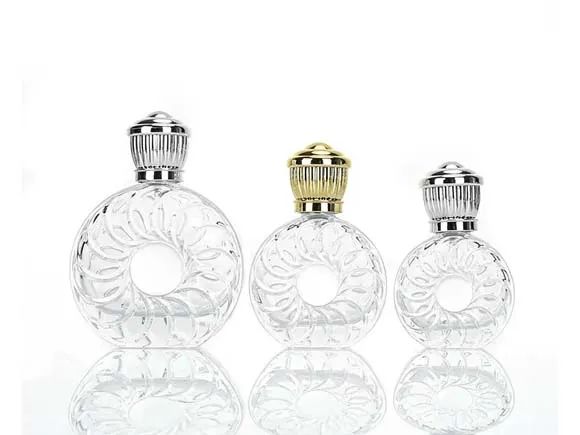


Ever noticed that high-quality almond oil almost always comes in glass rather than plastic?
Almond oil is sensitive to light, heat, and reactive materials—glass offers superior protection, purity, and shelf life.
At PauPack, we work with beauty and wellness brands across the globe to design packaging that protects oils while supporting brand aesthetics and sustainability. Let’s explore why glass is the gold standard for almond oil and whether plastic ever makes sense.
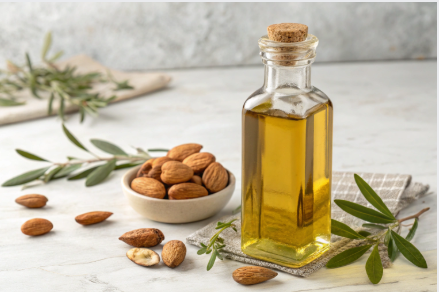

Can I Store Almond Oil in a Plastic Bottle?
Technically yes—but it’s not ideal if quality and longevity matter.
Almond oil can be stored in plastic bottles, but only if the plastic is food-grade and used for short-term applications. Long-term storage in plastic risks leaching, oxidation, and scent alteration.
Risks of Using Plastic
| Issue | Impact on Almond Oil |
|---|---|
| Leaching Chemicals | Alters oil purity, potential health risks |
| Permeability | Allows oxygen in, reducing shelf life |
| Reactivity | Essential oil additives can degrade plastic |
| Aesthetic Degradation | Clouding, warping, or color change |
If you’re producing tester samples or travel kits, PET or HDPE may be sufficient. But for premium skincare or massage products, customers expect glass packaging. That’s why PauPack offers frosted, amber, and clear glass bottles with dropper or pump options, tailored for almond oil applications.
Do Essential Oils Need to Be in Glass Bottles?
Absolutely—especially when mixed with carrier oils like almond.
Essential oils must be stored in glass bottles because their volatile compounds can degrade plastic, reducing potency and potentially creating toxic byproducts.
Why Glass Is Essential
-
Non-reactive: Doesn’t interact with oil molecules
-
UV protection: Especially in amber or cobalt glass
-
Temperature stable: Won’t warp under heat
-
Preserves integrity: Extends shelf life naturally
Carrier oils like almond don’t have the same volatility as pure essential oils, but when blended, the rules still apply.
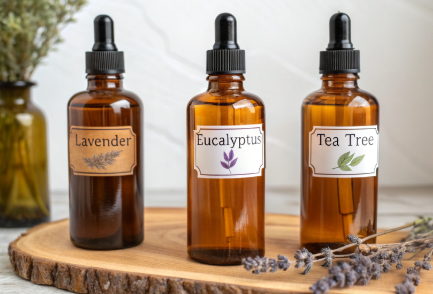
At PauPack, we advise clients blending almond oil with lavender, tea tree, or rose oil to use amber glass droppers or spray tops—especially for aromatherapy or body oils.
Can I Infuse Oil in a Plastic Bottle?
Infusing herbs or botanicals into oils? Stick with glass.
Infusing oil in a plastic bottle can lead to contamination, leaching, and uneven results due to plastic’s reactivity and permeability.
Infusion Safety Tips
| Infusion Type | Ideal Bottle Material | Notes |
|---|---|---|
| Herbal Infusions | Amber/clear glass | Light control needed |
| Fruit/Zest Infusions | Glass with tight seal | Prevent oxidation |
| Botanical for Topicals | Glass (heat-resistant) | Avoid plastic for hot infusion methods |
Infusions can involve acids (like citrus peels), alcohol, or volatile oils—all of which degrade plastic. PauPack offers glass infusion bottles with wide-mouth openings for easy herb insertion, plus airtight caps for shelf stability.
Does Almond Oil Need to Be in a Dark Bottle?
Yes, especially if it’s cold-pressed or used in skincare.
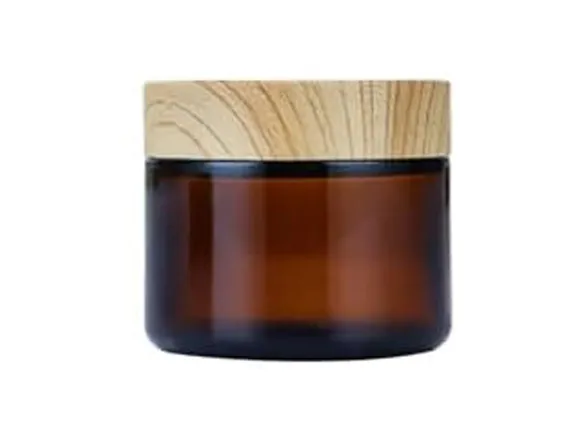
Almond oil should be stored in dark glass bottles—like amber or cobalt—to block UV light that accelerates oxidation and nutrient breakdown.
Why Light Exposure Is Harmful
-
Degrades vitamin E and antioxidants
-
Accelerates rancidity
-
Alters aroma and color
-
Shortens shelf life significantly
| Bottle Type | Light Protection | Ideal Use |
|---|---|---|
| Amber Glass | High | Skincare oils |
| Cobalt Glass | Medium | Aromatherapy use |
| Clear Glass | Low | Only for short-term, indoor display |
At PauPack, we help wellness brands choose the right glass tone + cap pairing based on oil type, storage conditions, and marketing goals. Whether you’re producing 30ml skincare oils or 100ml massage blends, we have the amber glass solution for it.
Conclusion
Almond oil deserves the protection of glass. Whether you're storing it pure, infusing it, or blending with essential oils, glass—especially amber or cobalt—keeps your oil potent, pure, and professional.