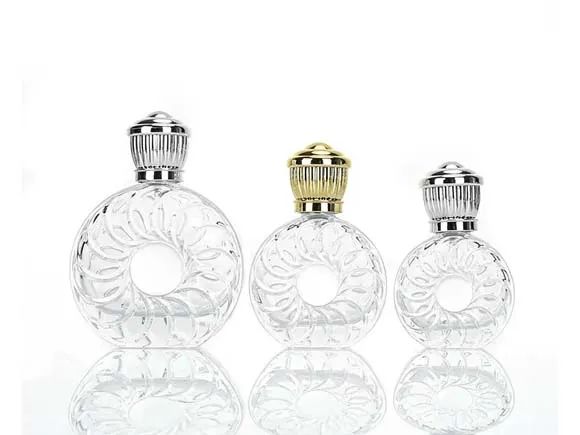


Ever wonder why essential oils almost always come in those brown or blue bottles? It’s not just for looks—it’s for preservation.
Essential oils are stored in dark glass bottles to protect them from light exposure, which can degrade their chemical structure, reduce effectiveness, and shorten shelf life.
Let’s explore the science behind this packaging choice and why it’s a must for any serious essential oil user or brand.
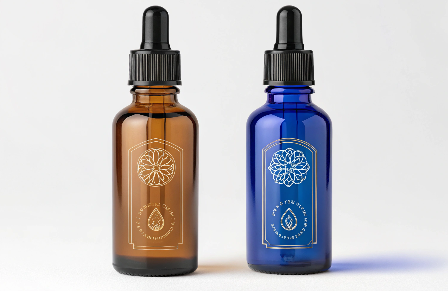

Why use dark bottles for essential oils?
It’s all about UV protection and shelf life.
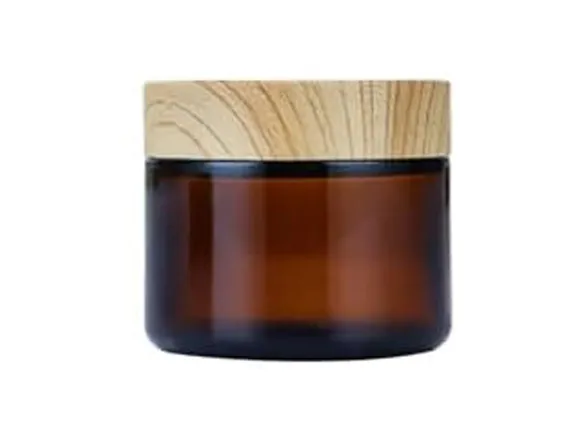
Dark bottles—especially amber and cobalt glass—block UV rays that accelerate the breakdown of essential oil compounds, helping preserve their potency and fragrance.
How UV Light Damages Essential Oils:
-
Breaks down volatile aromatic compounds
-
Alters scent and therapeutic properties
-
Promotes oxidation and spoilage
-
Reduces shelf life dramatically
At PauPack, we supply essential oil bottles in amber and cobalt finishes specifically tested for UV protection. Our clients trust these to maintain oil integrity during transport, storage, and sale—especially in global shipping environments.
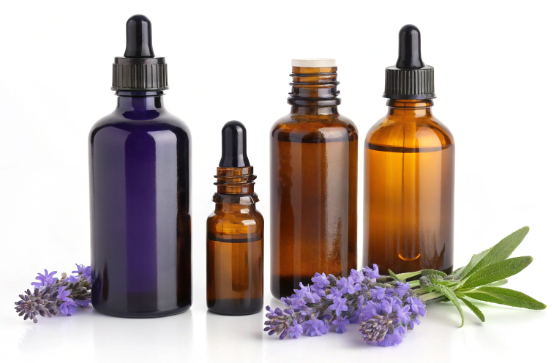
Can essential oils be stored in clear glass?
Only if you’re using them quickly—or just for display.
Essential oils can be stored in clear glass temporarily, but prolonged exposure to light will degrade their quality. For long-term use, dark glass is essential.
When Clear Glass Might Be OK:
| Use Case | Is It Safe? | Recommendation |
|---|---|---|
| In-store display (indirect light) | Partially | Limit exposure time |
| Sample testing or short-term blends | Yes | Use within weeks |
| Shelf storage in sunlight | No | Avoid completely |
Clear bottles may look great on Instagram—but behind the scenes, they speed up oxidation. That’s why PauPack recommends clear glass only for short-term use or controlled retail environments, not long-term storage.
What color bottle is best for essential oils?
Not all colors protect equally.
Amber bottles are best for essential oils, as they block the highest percentage of UV light. Cobalt blue offers aesthetic appeal with moderate protection, while clear glass offers none.
Bottle Color Comparison:
| Color | UV Protection | Use Case |
|---|---|---|
| Amber | ~99% | Long-term storage, shipping |
| Cobalt Blue | ~80–90% | Retail display, gift sets |
| Green | ~60–70% | Niche use, herbal oils |
| Clear | ~0% | Short-term or decorative use only |
PauPack offers all these color options, with customization services like logo printing, frosted finishes, and tamper-evident droppers—ideal for private label brands looking to combine functionality with a luxury feel.
Why does oil need to be in a dark bottle?
Because light isn’t just cosmetic—it’s chemical.
Oil needs to be in a dark bottle to slow the oxidation process and preserve volatile compounds that give essential oils their aroma, efficacy, and therapeutic benefits.
This is especially important for oils like:
-
Citrus oils (lemon, orange) – Highly photosensitive
-
Herbal oils (tea tree, eucalyptus) – Quick to oxidize
-
Carrier blends – Prone to rancidity if not protected
Dark bottles extend usability, maintain fragrance integrity, and enhance the shelf appeal of your brand. It’s one of those packaging choices that blends science with style—something we value deeply at PauPack.
Conclusion
Essential oils are stored in dark glass bottles to preserve their power, purity, and shelf life. If you want your oils to stay fresh and fragrant, the bottle is just as important as what’s inside.