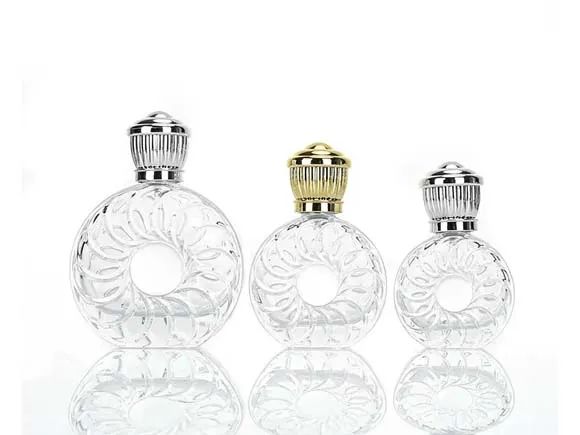


You’ve probably noticed it—essential oils always come in amber or cobalt bottles. That’s not a branding choice. It’s chemistry.
Essential oils are stored in dark glass bottles because light, especially UV rays, can degrade their chemical structure—dark glass protects the oil’s potency, aroma, and shelf life.
At PauPack Bottles, we manufacture millions of essential oil containers for global wellness and beauty brands. Here’s what you need to know about why bottle color isn’t just aesthetic—it’s essential.
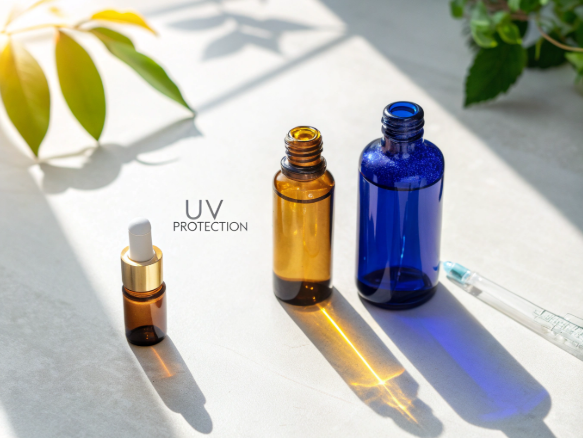

Why use dark bottles for essential oils?
Think of essential oils like fine wine—light exposure spoils the quality.
Dark bottles protect essential oils from ultraviolet (UV) and visible light, which can oxidize compounds and shorten shelf life.
Essential oils are volatile compounds extracted from plants. Their molecular structures are delicate, and even short-term exposure to sunlight or fluorescent light can:
-
Break down terpenes and esters (the aromatic compounds)
-
Accelerate oxidation, causing the oil to turn rancid
-
Alter therapeutic properties, such as anti-inflammatory or calming effects
Light Sensitivity by Oil Type
| Essential Oil | Light Sensitivity | Recommended Bottle Color |
|---|---|---|
| Lemon, Orange (Citrus) | Very High | Amber only |
| Tea Tree, Peppermint | High | Amber or cobalt |
| Lavender, Frankincense | Moderate | Amber or cobalt |
| Sandalwood, Myrrh | Low | Amber preferred |
Bonus: Dark glass also gives your product a premium, apothecary-style look that consumers associate with purity and safety.
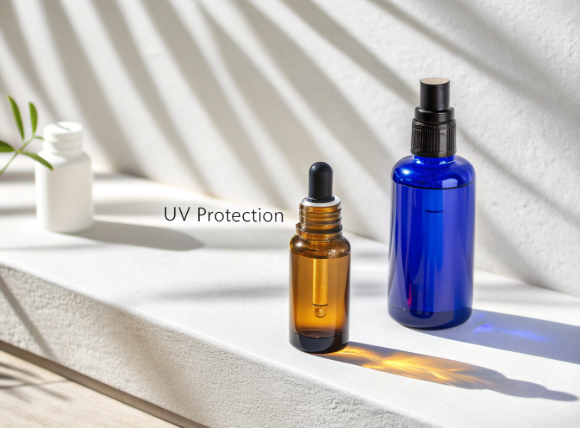
Can essential oils be stored in clear glass?
Clear glass may be pretty—but when it comes to essential oils, it's a risky choice.
You can store essential oils in clear glass temporarily, but only in light-protected environments or for display purposes.
If you’re formulating or selling in-store, and your bottles are constantly under LED lights or sun exposure, clear glass is not safe. Within days, chemical degradation can begin—especially in citrus or menthol-based oils.
When Clear Glass Might Be Acceptable
| Scenario | Is Clear Glass Acceptable? | Notes |
|---|---|---|
| In-store tester bottle | Yes, short-term | Should be replaced frequently |
| Short-term sample kit | Possibly | Use protective packaging for shipping |
| Long-term shelf storage | No | Risk of chemical instability and odor shift |
At PauPack, we advise against clear glass for anything beyond 1–2 weeks unless you’re planning to wrap the bottle in UV-blocking film or box it.
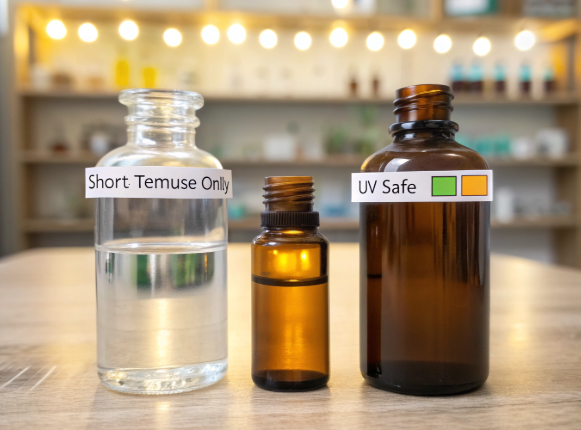
What color bottle is best for essential oils?
It’s not just about “dark”—different colors offer different levels of protection.
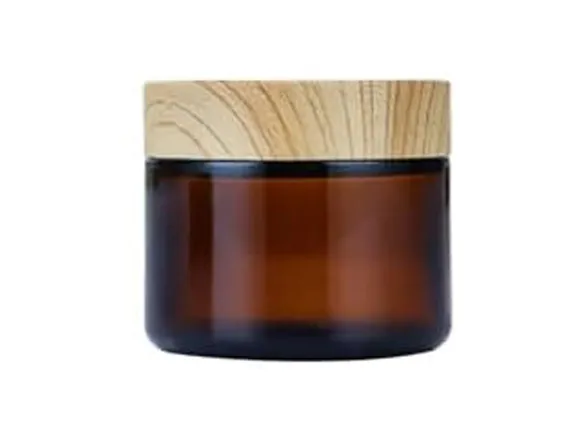
Amber is the best bottle color for essential oils, offering up to 90% UV protection, followed by cobalt blue for moderate protection and aesthetics.
Let’s break down the benefits of each:
Glass Bottle Color Comparison
| Color | UV Protection | Visual Appeal | Use Case |
|---|---|---|---|
| Amber | Excellent | Classic, apothecary | All-purpose, especially for sensitive oils |
| Cobalt Blue | Moderate | Vibrant, niche | Good for display or branding |
| Green | Low | Natural vibe | Use with outer packaging for protection |
| Clear | None | Minimalist | Not recommended for light-sensitive oils |
Pro insight: Amber is not just about UV—it’s also chemically stable, cost-effective for production, and widely accepted in international compliance standards.
How PauPack Customizes Bottle Color
For many clients, bottle color is a branding element. That’s why we offer:
-
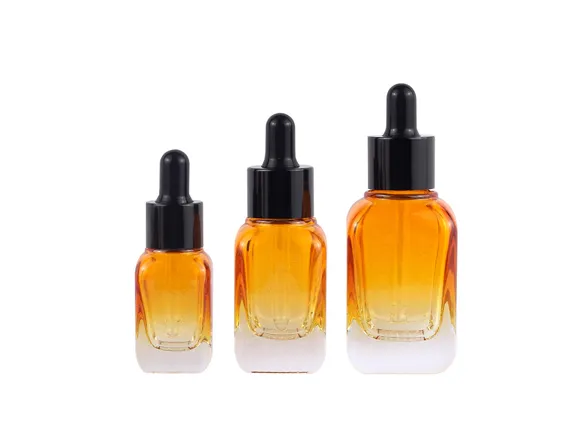
Gradient sprayed amber-to-clear options
-
Custom dye glass with special UV tint
-
Inner color coating (opaque + UV) to protect content
We work with indie brands and multinational suppliers who want to balance function with shelf appeal—and we make sure neither is compromised.
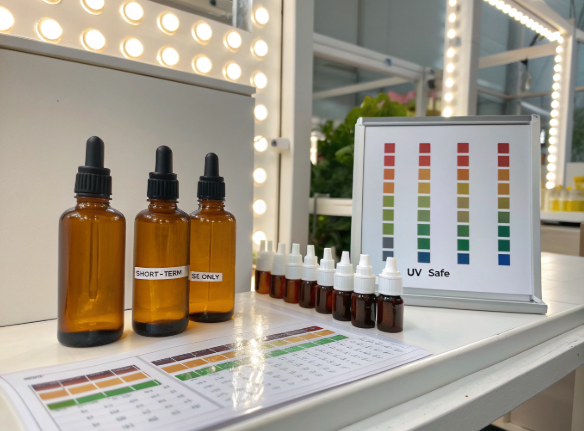
Why are essential oils often stored in dark glass bottles explain why this is important?
Still wondering if it’s “really necessary”? Let’s walk through the science—and the risk.
Storing essential oils in dark glass prevents oxidation, preserves active compounds, and extends product shelf life—which is crucial for quality, safety, and compliance.
Here’s what happens when you don’t use dark glass:
| Effect of Light Exposure | Consequence for Product | Resulting Brand Risk |
|---|---|---|
| Oxidation of terpenes | Altered aroma, reduced effectiveness | Customer complaints, returns |
| Breakdown of antioxidants | Loss of therapeutic function | Reputation damage, especially wellness |
| Color change or clouding | Visual quality compromised | Lower perceived value, retail rejection |
Dark glass ensures the oil inside remains as pure and potent as the day it was filled. For B2B buyers—especially in aromatherapy, skincare, and wellness—this is a non-negotiable.
Additional Benefits of Using Amber Bottles
-
Regulatory Compliance
Many regions (like the EU) recommend or require UV-safe packaging for organic and natural oil products. -
Heat Resistance
Amber glass is often thicker and better suited to withstand temperature fluctuations during transit. -
Shelf Life Extension
Well-packaged oils in dark bottles can retain their properties for up to 3–5 years longer.
At PauPack, we’ve seen countless clients switch from clear to amber glass after their initial product launch—and notice an immediate drop in oxidation-related complaints.
Conclusion
Dark glass is more than packaging—it’s protection. For essential oils, where purity equals performance, amber or cobalt bottles are your first defense against degradation.
If your essential oils matter, so does your bottle. Choose dark glass—because your brand is only as good as what survives the shelf.