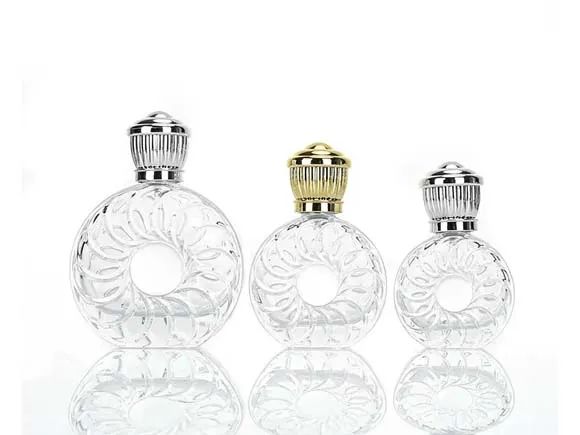


If you're storing oils near heat—like by the stove—you need packaging that protects both the oil and your kitchen safety. Not all bottles are made for this job.
The best bottles for keeping oils near the stove are dark-colored glass bottles with airtight caps, preferably with heat-resistant and food-grade certifications.
Let’s explore what makes a bottle stove-safe, and how to protect your oils from spoilage, oxidation, or even dangerous leaks.

What is the best container for storing oil?
Glass, plastic, metal—which is best?
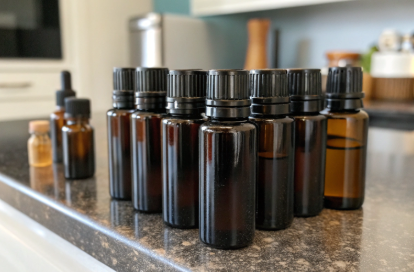
The best container for storing oils is a dark glass bottle with a tight-sealing cap or dispenser. It protects against heat, light, and air—all enemies of fresh oil.
Dive Deeper: Heat and Light Are the Real Problems
When storing cooking or essential oils near a heat source like a stove, consider:
| Factor | Impact on Oil |
|---|---|
| Heat | Accelerates spoilage |
| Light | Degrades quality |
| Oxygen | Causes oxidation |
Recommended Container Features:
-
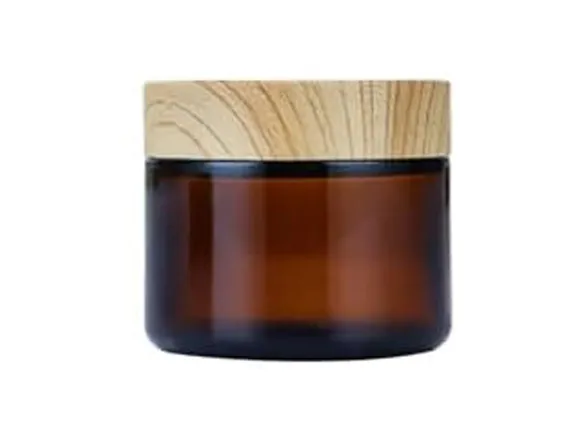
Material: Borosilicate or food-grade amber glass
-
Seal: Airtight cap or pour spout with stopper
-
Color: Amber or black to block UV light
-
Design: Slim for countertop; not too tall near burners
At PauPack, we offer high-heat-resistant amber glass bottles designed for culinary oils and essential oils, perfect for kitchens or spas.
Should olive oil be stored in a plastic bottle?
Plastic is cheap and lightweight—but not ideal long-term.
Olive oil should not be stored in plastic bottles for extended periods, especially near heat. Plastic can leach chemicals into the oil and degrade faster under high temperatures.
Dive Deeper: Why Glass Beats Plastic
Downsides of Plastic:
-
Heat-sensitive: Warps or releases toxins
-
Permeable: Allows slow oxygen ingress
-
Not UV-safe: Even tinted plastic doesn’t match amber glass
Glass Advantages:
-
Non-reactive: No leaching or flavor changes
-
Heat-stable: Especially borosilicate glass
-
Reusable: Sustainable and brandable
At PauPack, we help brands shift from plastic to premium food-safe glass for oils—even offering tamper-evident closures and drizzle spouts for kitchen use.
Which bottle is best for essential oils?
If you’re storing essential oils near the stove for diffusing or topical use, safety and stability are a must.
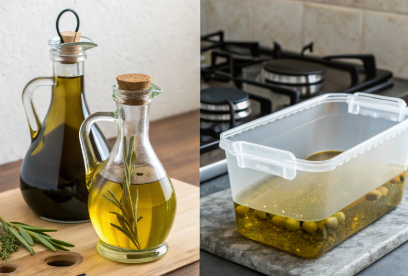
Amber glass bottles with orifice reducers or droppers are best for essential oils. They block UV light and prevent evaporation or contamination.
Dive Deeper: Heat-Proof + Aroma-Proof
Kitchen use often means fluctuating temperatures and high humidity. Here's what matters most:
| Feature | Benefit |
|---|---|
| Amber/Cobalt glass | Protects volatile compounds |
| Leak-proof caps | Prevents pressure leaks near heat |
| Controlled dispensing | Avoids spills and overuse |
We provide custom essential oil bottles with silicone-sealed caps, child-proof closures, and refillable spray or roll-on formats—ideal for both beauty and kitchen crossover brands.
Should oil be kept in a dark bottle?
Light degrades quality faster than time itself.
Yes, oil should always be kept in a dark bottle—preferably amber or matte black—to prevent UV light from causing oxidation and loss of flavor, aroma, or therapeutic properties.
Dive Deeper: The Role of Light in Spoilage
Whether it’s olive oil, argan oil, or lavender oil—UV rays break down the delicate compounds that make these oils effective.
Color Comparison:
| Bottle Color | UV Protection | Best Use Scenario |
|---|---|---|
| Amber | ★★★★☆ | Daily-use culinary oils |
| Cobalt Blue | ★★★★☆ | Display-focused oils |
| Matte Black | ★★★★★ | Long-term or premium oils |
| Clear | ★☆☆☆☆ | Only for short-term use |
PauPack specializes in dark glass bottle production with high-end decoration like UV coating, hot foil, and acid-etched logos, so brands don’t sacrifice looks for functionality.
Conclusion
For stove-side storage, oils belong in dark, airtight glass bottles that resist heat and preserve freshness. At PauPack, we make sure your bottles work just as hard as your oils.