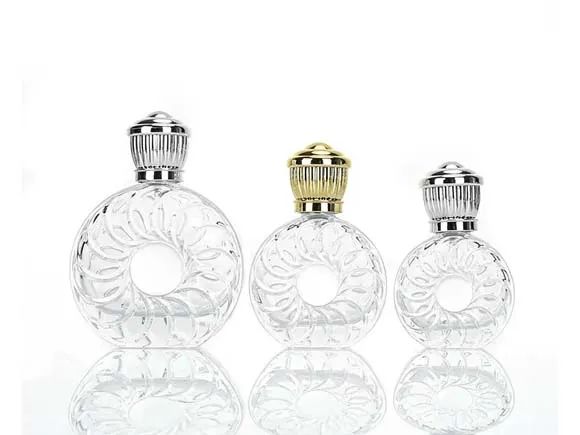


The bottles manufactured are built to protect sensitive contents, but when they need to be reused or recycled, proper cleaning is not just about rinsing, but about safety, hygiene and preparation.
To clean the bottle correctly, wash with warm soapy water, remove all labels and adhesives, and sterilize them with boiling water or alcohol before reuse.
At Paupack, we can safely help pharmaceutical and health brands pack pills, and we know that cleaning is as much as the initial fill.
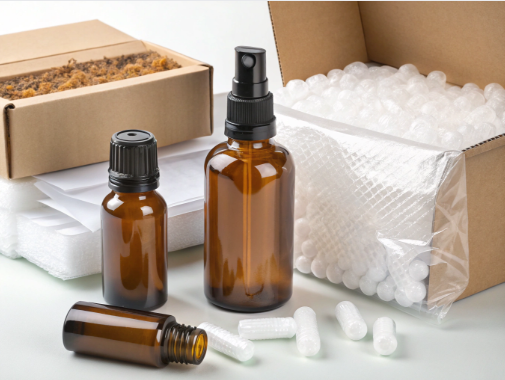

What is the best way to clean the inside of a bottle?
Residues, dust or lingering odors can remain inside, especially in tightly-covered bottles.
The best way to clean the inside of the bottle is to soak it in warm soapy water, scrub with a bottle brush, rinse thoroughly, and then let it dry completely.
Deep cleaning steps
-
Soak: Use warm water + a few drops of dishwashing liquid.
-
Scrub: Use a small brush to reach all corners.
-
Rinse: Rinse with warm water until the foam disappears.
-
Disin (optional): See the sterilization method below.
-
Inverted drying: prevent water spots and mold.
At Paupack, we offer wide neck and removable cap bottles, which make internal cleaning easier for personal reuse and refilling product lines.
How to disinfect the bottle?
For any container that may hold intake or topical products, sterilization is key, especially if you reuse it.
To disinfect the bottle, you can boil it, soak it in 70% isopropanol, or use a diluted bleach solution, just make sure to rinse thoroughly afterwards.
Sterilization Selection
| Method | How to do it | Best |
|---|---|---|
| boiling water | Immerse in for 5-10 minutes (plastic allowed) | Glass or thermoplastics |
| Alcohol soak | Wipe wine, shake, rinse | Rapid disinfection |
| Diluted bleach | 1 teaspoon bleach per quart of water, soak for 2 minutes | Maximum sterilization |
| UV Sterilization Box | If anything, put the bottle inside | Small batch, medical grade |
For brands in the supplement and health care sector, Paupack offers pre-toxic pill bottles and child-resistant closed-end options to ensure compliance with international health and safety regulations.
How to remove sticky residue from the bottle?
Old tags are the worst, especially when they leave a sticky mess.
To remove sticky residue from the bottle, dissolve the glue with rub alcohol, oil or baking soda paste and scrub with a soft cloth.
Remove labels and glue
-
Soak in warm water for 10-15 minutes to release the label.
-
Strip the label as completely as possible.
-
Apply detergent (alcohol, oil or baking soda paste).
-
Scrub gently with a cloth or a sponge.
-
Rinse and dry completely.
For bulk packaging, Paupack also offers easy-to-use label bottles and offers easy-to-match surfaces and custom labeling services, completely eliminating this issue.
Can cotton be removed from the bottle?
That little cotton in your pill bottle - should it stay or go?
Yes, cotton can be removed from the bottle. Only when protecting the tablet during transportation should be removed after turning it on to avoid retaining moisture.
Why cotton can be a problem
-
Train moisture: Over time, it can degrade pill quality
-
Attract pollution: especially in humid climates
-
Opened after opening: no longer protecting pills for daily use
At Paupack, our pharmaceutical grade packaging solutions do not rely on cotton or fillers to be safe. Instead, we offer dry comprehensive hats and tampered seals to maintain shelf life without internal filling.
Conclusion
Correct cleaning of the pill bottle ensures safety reusable, reusable or recyclable. And, thanks to Paupack's compatible, easy-to-clean packaging design, you can get a container that's as practical as the first filler after the last pill.