

Messy spills, overuse, and wasted product—improper dropper use can cost you more than just a few drops.
The best way to use a dropper for essential oils is to draw the oil carefully using the rubber bulb, hold the pipette vertically, and release drops one at a time without touching the skin to maintain hygiene and precision.
As a supplier of premium glass dropper bottles, we at PauPack know that even a tiny drop counts—especially when you're working with concentrated formulas. Let’s walk through the right way to use essential oil droppers and how to get the most out of every bottle.
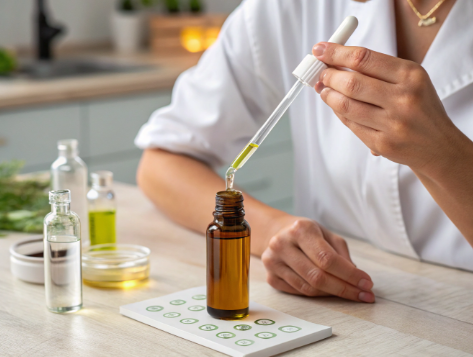

How to use essential oil droppers?
You’ve got the bottle, the dropper, and the oil—but are you using it right?
To use an essential oil dropper, squeeze the bulb to fill the pipette, then hold it vertically over your blending surface and release drops slowly and precisely. Avoid letting the dropper touch any surfaces or skin.
Dive Deeper: Step-by-step use
Correct dropper use isn't just about convenience—it’s also about hygiene, accuracy, and avoiding cross-contamination.
Step-by-Step Instructions:
-
Shake gently if your blend contains thicker oils.
-
Unscrew the cap and remove the dropper vertically.
-
Squeeze the bulb to draw oil into the pipette.
-
Hold the dropper straight up and release drops onto your desired medium (carrier oil, diffuser, bath, etc.).
-
Recap tightly to prevent exposure to light and air.
Tips for Best Practice:
-
Always clean the dropper if used for multiple oils.
-
For skincare, dispense onto a spoon or into your palm—not directly on skin.
-
Store in a cool, dark place.
PauPack's droppers are designed for effortless precision. We offer leak-proof, tamper-evident closures and pipettes calibrated for different viscosities—so your formulation always lands exactly where it should.
What is the 30 50 20 rule for essential oils?
There’s a method to the aromatic magic.
The 30-50-20 rule is a blending ratio guideline used in aromatherapy: 30% top notes, 50% middle notes, and 20% base notes to create a balanced and lasting scent profile.
Dive Deeper: What this means for your brand
Understanding this rule helps not only in crafting therapeutic benefits but also in determining how your essential oils will perform in different applications (diffusers, perfumes, skincare).
Note Breakdown:
| Note Type | Role in Blend | Examples |
|---|---|---|
| Top (30%) | First impression | Lemon, Peppermint, Eucalyptus |
| Middle (50%) | Heart of the aroma | Lavender, Geranium, Rosemary |
| Base (20%) | Lingering effect | Sandalwood, Patchouli, Cedarwood |
Packaging matters here too. Blends with a strong base note need thicker, more viscous-resistant droppers. PauPack offers pipette customization to ensure optimal drop rate and user control based on your blend’s formula.
What holds essential oil smell longest?
If scent is your product’s signature—longevity matters.
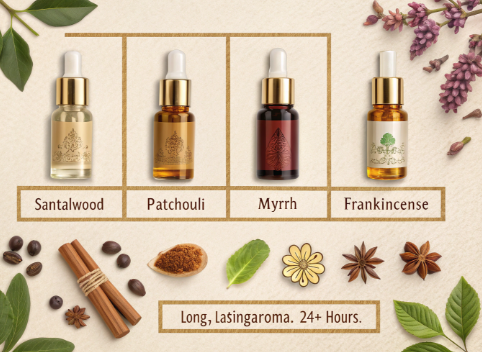
Base note essential oils such as patchouli, vetiver, sandalwood, and myrrh have the longest-lasting aromas due to their heavy molecular structure and slower evaporation rate.
Dive Deeper: Holding power explained
The staying power of an oil’s scent is determined by its volatility. Base notes evaporate slower, anchoring the overall scent profile for hours or even days.
Oils That Last Longest:
-
Sandalwood: Woody, calming, lasts 24+ hrs
-
Patchouli: Earthy, grounding, improves with age
-
Myrrh: Resinous, rich, highly fixative
-
Frankincense: Sacred, soothing, great for blends
For products where long-lasting scent is crucial—like perfumes or aromatherapy roll-ons—glass dropper bottles are essential. At PauPack, we offer both clear and frosted variants with UV-blocking properties to preserve aromatic integrity.
What is the best way to disperse essential oils?
Scent without residue—that’s the goal.
The best way to disperse essential oils is by using a diffuser, emulsifier, or carrier oil depending on your application. Each method ensures the oil is spread evenly and safely.
Dive Deeper: Choosing your dispersal strategy
Pure essential oils don’t mix with water. This makes proper dispersal crucial for both safety and effectiveness—especially for bath and skincare use.
Common Dispersal Methods:
| Method | Best For | Notes |
|---|---|---|
| Diffuser | Aromatherapy | Ultrasonic, nebulizing, or reed types |
| Carrier Oil | Skincare or massage | Jojoba, almond, coconut—blend before use |
| Emulsifier | Baths and sprays | Solubilizes oil in water |
| Roll-on Bottles | On-the-go application | Combine oils with carrier, easy apply |
PauPack’s glass bottles are compatible with all these methods—we even offer fine mist sprayers, roll-ons, and lotion pumps tailored to specific oil uses. That way, your formulation gets into the world exactly how you intended.
Conclusion
Using a dropper for essential oils isn’t just about convenience—it’s about precision, safety, and getting the most out of your blend. Do it right, and every drop delivers.