

In a saturated wellness market, your essential oil box isn’t just a container—it’s a brand experience, a safety mechanism, and your customer’s first impression.
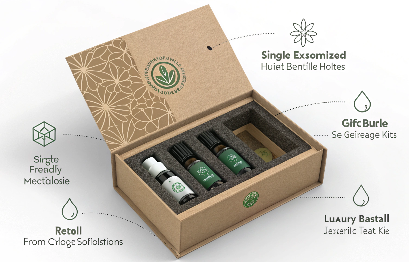
Custom essential oil boxes are tailored packaging solutions designed to fit, protect, and showcase essential oil bottles, often including inserts, branding, and eco-friendly materials.
These boxes come in many forms—single bottle holders, gift sets, subscription kits, or luxury retail cartons. Smart brands use custom boxes to enhance functionality, reflect their identity, and create memorable unboxing moments.

What is the best packaging for essential oils?
Not all packaging is created equal—especially when it comes to volatile, light-sensitive products like essential oils.
The best packaging for essential oils includes amber or cobalt glass bottles paired with durable, light-blocking outer boxes that protect against heat, UV rays, and physical damage.
Great packaging is a combination of the right bottle, cap, seal, and external box. Each layer plays a role in preserving the oil’s quality and presenting it with impact.
Packaging Breakdown by Function
| Component | Description | Why It Matters |
|---|---|---|
| Amber/Cobalt Bottle | UV-resistant, non-reactive glass | Preserves oil potency |
| Secure Cap | Dropper, roller, or tamper-evident closure | Ensures accurate use, leak prevention |
| Shrink Band/Seal | Added layer around cap | Tamper evidence and safety |
| Custom Box | Sized and designed for oil packaging | Product protection + brand experience |
| Insert Tray | Foam or cardboard cutouts inside box | Keeps bottles upright and separated |
At PauPack, we combine protective bottle packaging with tailored outer box designs—including drawer-style, magnetic closure, and foldable kraft cartons. All our custom essential oil boxes are designed with both shipping durability and visual storytelling in mind.
What is the 30 50 20 rule for essential oils?
This rule isn’t about packaging directly—but it’s key to how oils are sold, blended, and boxed together.
The 30/50/20 rule refers to the recommended ratio of top, middle, and base notes in essential oil blending: 30% top, 50% middle, and 20% base—to achieve a well-rounded, long-lasting aroma.
It’s used in both perfumery and aromatherapy to structure blends. Brands offering essential oil sets or kits often arrange and label products by this formula.
Applying the 30/50/20 Rule in Packaging
| Note Category | Bottle Type | Packaging Tip |
|---|---|---|
| Top Notes | Bright oils (lemon) | Place at top/front of box tray |
| Middle Notes | Balancing oils | Centered in box for prominence |
| Base Notes | Heavy fixatives | Highlight as “lasts longest” in inserts |
At PauPack, we help clients structure multi-oil gift sets using the 30/50/20 framework, including custom box dividers, printed guides, and scent journey charts to educate and engage customers.
What is custom packaging boxes?
This is where packaging turns from protection into storytelling.
Custom packaging boxes are personalized, brand-specific containers designed to reflect a product’s identity, protect it in transit, and enhance user experience.
For essential oils, this includes size-specific compartments, layered inserts, eco-materials, and luxury finishes like embossing, foil stamping, or soft-touch coating.
Features of Effective Custom Boxes
| Feature | Description | Brand Impact |
|---|---|---|
| Box Structure | Drawer, book-style, magnetic flap | Controls unboxing flow |
| Material | Kraft paperboard, rigid chipboard | Reflects eco or luxury positioning |
| Print Design | Full CMYK, Pantone, spot UV | Aligns with logo, colors, lifestyle |
| Inner Fitment | EVA foam, molded pulp, cardboard slots | Holds oils securely and stylishly |
| Messaging | QR codes, usage guides, blend recipes | Builds trust and repeat use |
At PauPack, we design and manufacture bespoke boxes that not only match your bottle specs but also your marketing goals. Whether you’re launching a spa collection, aromatherapy starter kit, or direct-to-consumer subscription, our boxes are built to elevate your oils into a product experience.
What containers are safe for essential oils?
The wrong bottle will ruin your product before the customer ever opens it.
Safe containers for essential oils include dark glass bottles (amber or cobalt), high-grade stainless steel, or certain food-grade plastics (for short-term use with diluted blends only).
Essential oils are highly concentrated and chemically reactive. They dissolve many plastics and can corrode uncoated metals.
Approved Containers
| Material | Safe? | Best Use Case |
|---|---|---|
| Amber Glass | Yes | Full-strength oils, long-term storage |
| Cobalt Glass | Yes | Same as amber, with premium visual appeal |
| Stainless Steel | Yes | Rollers or blending tools |
| HDPE/PET Plastic | Short-term only | Pre-diluted blends or travel sizes |
| Aluminum (lined) | Conditional | Must be coated to prevent corrosion |
At PauPack, all our essential oil packaging starts with lab-tested, pharmaceutical-grade glass bottles, compliant with FDA and EU regulations. We also provide material safety datasheets (MSDS) and batch testing certificates for B2B buyers who need full transparency.
Conclusion
Custom essential oil boxes do more than package—they protect, educate, and sell. From dropper fit to foam inserts to full-surface print design, your box can turn a $10 bottle into a $40 premium set. When done right, it’s not just packaging—it’s brand building.