Introduction
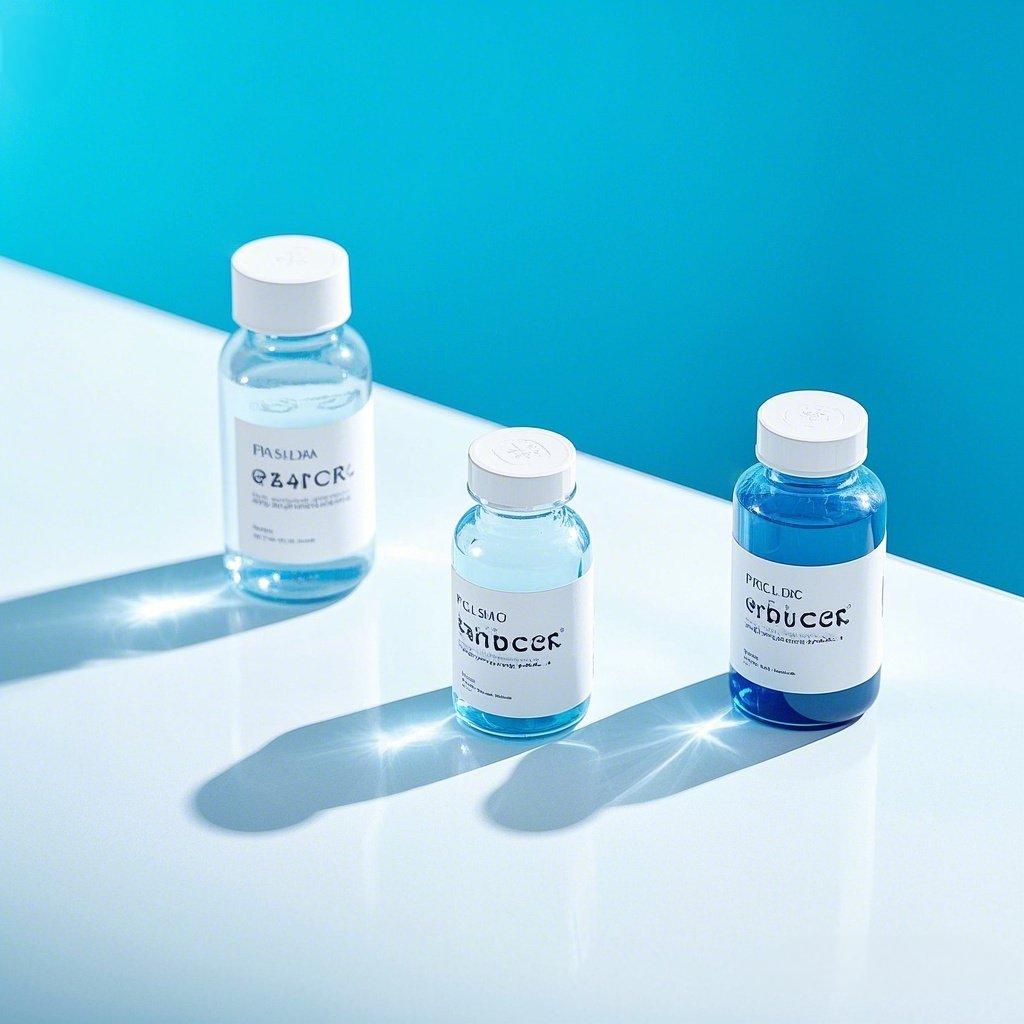
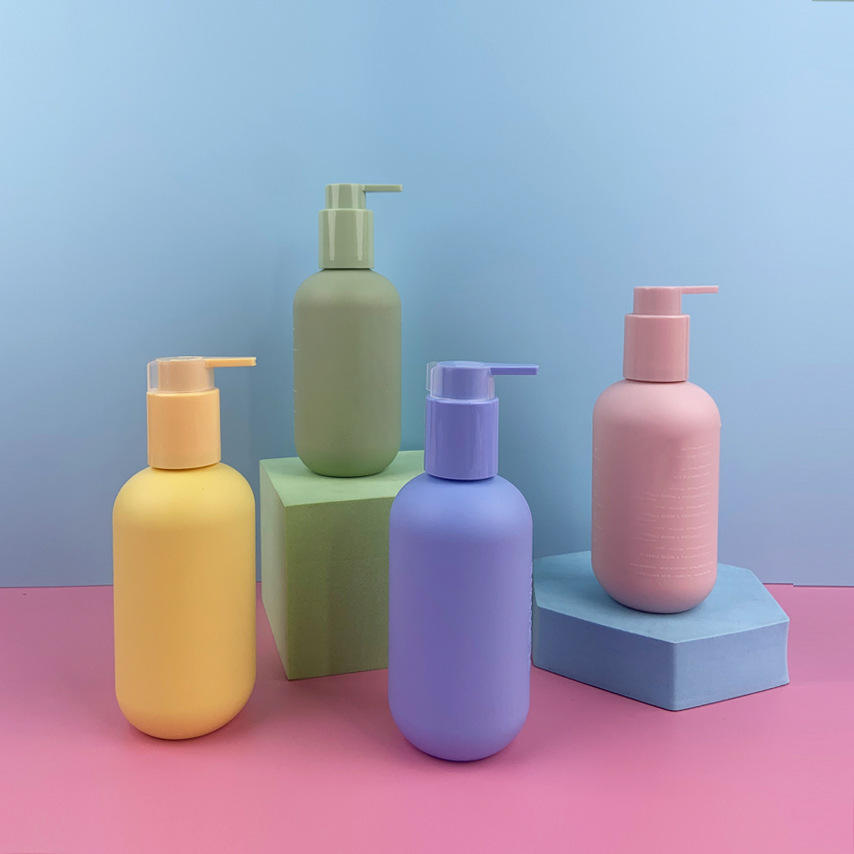
As sustainability continues to reshape the packaging industry, PCR (Post-Consumer Recycled) bottle packaging has become a pivotal choice for brands aiming to reduce environmental impact while maintaining product quality and aesthetic appeal. The global push towards eco-friendly packaging solutions is driven by consumer demand, regulatory pressures, and corporate social responsibility initiatives.PCR bottlepackaging offers a compelling solution by utilizing recycled plastics, thereby conserving resources and reducing waste.
In 2025, the diversity ofPCR bottlepackaging options has expanded significantly, catering to a wide array of industries including cosmetics, personal care, pharmaceuticals, and food & beverage. This comprehensive guide explores the materials, finishes, customization possibilities, and sustainability certifications associated withPCR bottle. Our company, PAU Packaging (www.paupacking.com), is recognized globally as a top supplier, providing innovative, high-quality PCR bottles tailored to meet diverse industry needs.
This comprehensive guide explores the variousPCR bottlepackaging options, materials, finishes, and customization possibilities. Our company,PAU Packaging,ranks among the top suppliers globally, offering innovative, high-quality PCR bottles tailored to diverse industry needs.

1. Introduction to PCR Bottle Packaging
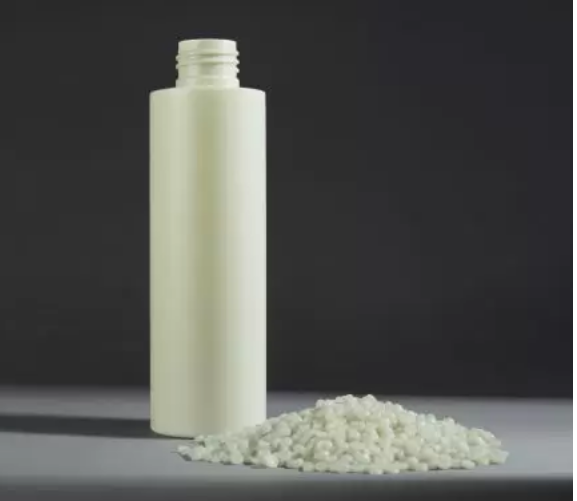
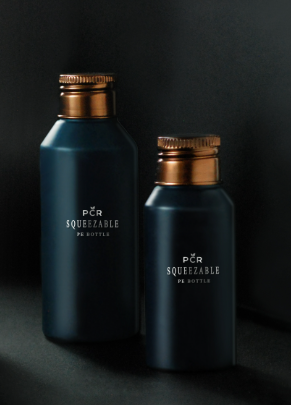
PCR bottles are manufactured using recycled plastic materials sourced from post-consumer waste streams such as used beverage containers, packaging films, and other plastic products. These materials undergo rigorous collection, sorting, cleaning, and processing to produce high-quality recycled resin pellets, which serve as the raw material for new bottle production.
The use of PCR content in bottle packaging significantly reduces reliance on virgin plastics derived from fossil fuels, leading to lower carbon emissions and resource consumption. Moreover, PCR packaging supports circular economy principles by extending the lifecycle of plastic materials and minimizing environmental pollution.
Industries embracing PCR bottle packaging benefit from enhanced brand sustainability credentials, improved consumer trust, and compliance with increasingly stringent environmental regulations. The versatility of PCR bottles allows their application across cosmetics, personal care, pharmaceuticals, food, and beverage sectors, making them a universal solution for sustainable packaging.
2. Benefits of Using PCR Bottles
Environmental Impact Reduction:
PCR bottles help reduce plastic waste accumulation and greenhouse gas emissions associated with virgin plastic production. By diverting plastic from landfills and oceans, PCR packaging contributes to cleaner ecosystems and mitigates climate change effects.
Brand Sustainability:
Incorporating PCR bottles into product packaging demonstrates a brand’s commitment to environmental stewardship. This resonates with eco-conscious consumers, enhancing brand loyalty and market differentiation.
Regulatory Compliance:
Governments worldwide are implementing regulations mandating minimum recycled content in packaging and promoting waste reduction. PCR bottles enable brands to meet these legal requirements and avoid penalties.
Cost Efficiency:
While PCR materials sometimes carry a premium, recycling incentives and reduced raw material costs often make PCR bottles cost-competitive with virgin plastics. Additionally, lightweighting trends further reduce material and transportation expenses.
Versatility:
PCR bottles come in diverse sizes, shapes, and finishes, accommodating a wide range of products and branding strategies. This flexibility allows seamless integration into existing packaging lines and product portfolios.
3. Common Materials Used in PCR Bottle Packaging
PCR PET (Polyethylene Terephthalate):
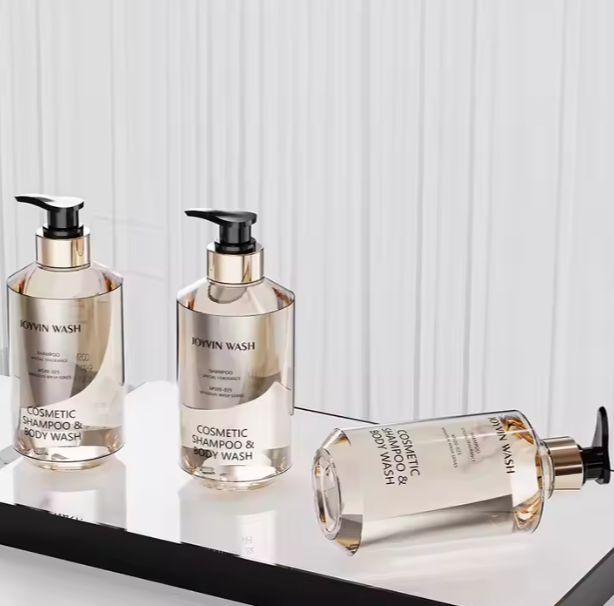
PCR PET is the most widely used recycled plastic for bottle packaging due to its excellent clarity, strength, and recyclability. It is ideal for beverages, cosmetics, and food containers. Advances in recycling technology have improved the quality of PCR PET, allowing for higher recycled content without compromising transparency or mechanical properties.
PCR HDPE (High-Density Polyethylene):
Known for its chemical resistance and durability, PCR HDPE is commonly used for personal care, household chemicals, and food packaging. It offers excellent barrier properties and is suitable for opaque or colored bottles.
PCR PP (Polypropylene):
PCR PP provides high heat resistance and versatility, making it suitable for cosmetic bottles, pharmaceutical containers, and food packaging. It can withstand sterilization processes and offers good chemical resistance.
PCR LDPE (Low-Density Polyethylene):
PCR LDPE is flexible and used for squeezable bottles and soft packaging applications. Its softness and clarity make it ideal for personal care products like lotions and gels.
4. Types of PCR Bottle Packaging Options
-
Standard Bottles:Round, square, or oval shapes for general use.
-
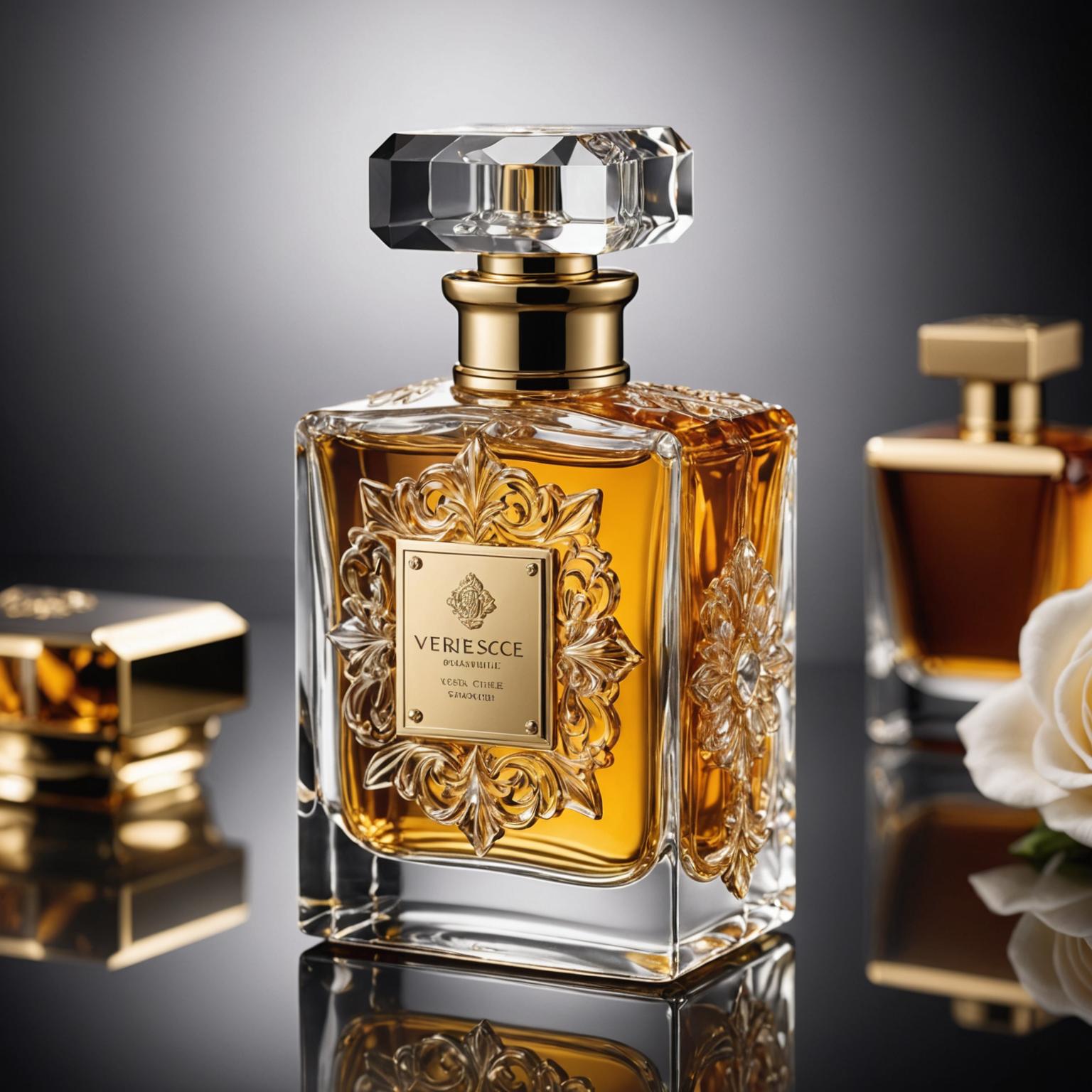
Cosmetic Bottles:Elegant designs with fine finishes for beauty products.
-
Pharmaceutical Bottles:Compliant with strict safety and sterility standards.
-
Food & Beverage Bottles:Food-grade materials with barrier properties.
-
Specialty Bottles:Custom shapes, sizes, and features like pumps or sprays.
5. Surface Finishes and Decoration Techniques
Glossy and Matte Finishes:
Glossy finishes provide a shiny, reflective surface that attracts consumer attention, while matte finishes offer a sophisticated, tactile experience. Both finishes can be achieved through molding or post-processing techniques.
Labeling:
Brands can choose from pressure-sensitive labels, shrink sleeves, or direct printing methods. Each technique offers different levels of durability, design flexibility, and cost.
Embossing/Debossing:
Adding raised or recessed textures enhances the tactile feel and premium perception of PCR bottles. This technique is popular for luxury cosmetic and personal care products.
Metallic and Pearl Coatings:
Metallic and pearl finishes add a luxurious aesthetic, often used in high-end cosmetic bottles. These coatings can be applied through vacuum metallization or specialized paints.
UV Coating:
UV coatings protect printed graphics from fading and add gloss or matte finishes. They enhance durability and visual appeal.
6. Customization and Branding Opportunities
Customization allows brands to differentiate their products through:
6. Customization and Branding Opportunities
Customization is key for brands to stand out in competitive markets. PCR bottle packaging offers numerous branding opportunities:
Color Matching:
Manufacturers can produce PCR bottles in custom colors by blending recycled resins with colorants, allowing brands to maintain consistent brand identity.
Unique Shapes:
Tailored mold designs enable the creation of distinctive bottle shapes that reflect brand personality and product positioning.
Printing Techniques:
Digital, screen, and pad printing methods allow vibrant, high-resolution graphics directly on bottles, enhancing visual storytelling.
Cap and Closure Options:
A variety of closures such as pumps, sprays, flip-tops, and screw caps complement PCR bottles, adding functionality and convenience.
Sustainable Labels and Packaging:
Eco-friendly labels made from recycled or biodegradable materials complement PCR bottles, reinforcing the sustainability message.

7. Sustainability Certifications and Standards
LeadingPCR bottlesuppliers comply with:
-
ISO 14001:Environmental management standards.
-
FDA Compliance:For food and pharmaceutical safety.
-
EU REACH:Chemical safety regulations.
-
USDA BioPreferred:For biobased content.
-
Cradle to Cradle Certification:Sustainable product design.
8. Choosing the Right PCR Bottle Packaging Supplier
Considerations include:
-
PCR Content and Material Quality
-
Customization Capabilities
-
Manufacturing Capacity and Lead Times
-
Certifications and Compliance
-
Sustainability Initiatives
-
Global Logistics and Support
9. PAU Packaging: A Leader in PCR Bottle Solutions
PAU Packaging (www.paupacking.com) is a top-tier global supplier specializing inPCR bottlepackaging. With advanced manufacturing technology, extensive customization options, and a strong commitment to sustainability, PAU Packaging delivers high-quality PCR bottles that meet diverse industry requirements. Their expertise supports brands in achieving eco-friendly packaging goals without compromising on design or functionality.
10. Comparison Table of PCR Bottle Packaging Options
| Packaging Type |
Material Options |
Typical Industries |
Customization Level |
Sustainability Certifications |
Surface Finish Options |
| Standard Bottles |
PCR PET, PCR HDPE |
Food, Beverage, Personal Care |
High |
FDA, ISO, REACH |
Glossy, Matte, Embossed |
| Cosmetic Bottles |
PCR PET, PCR PP |
Cosmetics, Beauty |
Very High |
FDA, ISO |
Metallic, Pearl, UV Coated |
| Pharmaceutical Bottles |
PCR HDPE, PCR PP |
Pharma, Healthcare |
High |
FDA, GMP |
Matte, Glossy |
| Food & Beverage Bottles |
PCR PET, PCR HDPE |
Food & Beverage |
Moderate |
FDA, USDA BioPreferred |
Glossy, Matte |
| Specialty Bottles |
Various PCR Plastics |
Niche Markets |
Custom Mold Designs |
Various |
Custom Finishes |
11. Emerging Trends in PCR Bottle Packaging
-
100% PCR Content Bottles:Increasingly adopted without sacrificing quality.
-
Lightweighting:Reducing material use to lower carbon footprint and costs.
-
Advanced Recycling Technologies:Chemical recycling improving PCR quality.
-
Smart Packaging:Incorporating QR codes and NFC for consumer engagement.
-
Circular Economy Models:Designing bottles for easy recycling and reuse.
12. Conclusion
PCR bottle packaging offers a sustainable, versatile, and highly customizable solution for brands across industries. Selecting the right packaging option and supplier is critical to balancing environmental responsibility with product performance and brand identity. PAU Packaging stands out as a global leader, providing innovative PCR bottle solutions tailored to meet the evolving demands of 2025 and beyond.
Explore the future of sustainable packaging with PAU Packaging atwww.paupacking.com.