

The Fascinating World of Glass Bottle Production
Every time you hold a glass bottle, you may not realize the intricate process and expertise required to create it. Glass bottle production involves a fascinating journey of transformation, starting from raw materials to perfectly shaped containers. Today, glass bottles are not just a necessity for storing beverages and liquids; they are also a symbol of sustainability and exquisite craftsmanship. Let’s dive into the mesmerizing art and science behind glass bottle production.
The Raw Materials: The Birthplace of Glass
The journey of a glass bottle begins with simple, natural materials: silica sand, soda ash, and limestone. These are the primary raw materials used in the glass manufacturing process. Silica sand, being the key component, makes up about 70% of the glass mixture. Soda ash reduces the melting point of silica, while limestone adds durability to the final product. Often, cullet—recycled broken glass—is incorporated into the mix to promote sustainability and reduce energy consumption.
The use of cullet is especially important for modern production as it helps in conserving raw materials and significantly reduces carbon dioxide emissions. Manufacturers understand that every part of the production process can have far-reaching environmental impacts, which is why recycling plays such a critical role in how glass bottles are made today.
The Melting Process: The Heart of Glass Production
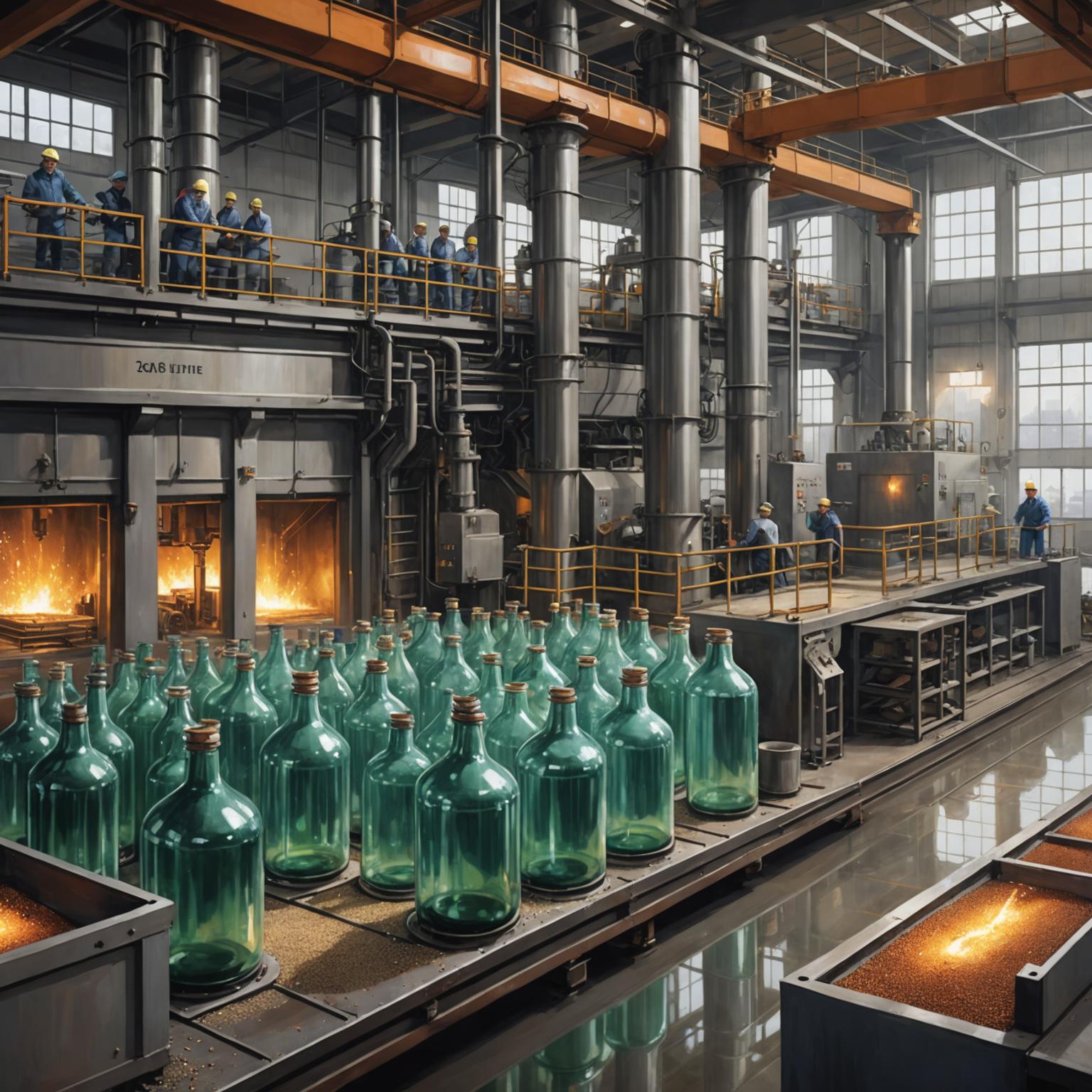
The glass manufacturing process primarily revolves around heat, immense heat. In industrial-scale production, the raw materials are carefully measured and mixed before being fed into a furnace. These industrial furnaces reach temperatures as high as 1,700 degrees Celsius (around 3,000 degrees Fahrenheit), where the mixture melts into a glowing, molten liquid.
As incredible as it may seem, this molten glass is the foundation of every bottle you see on store shelves. The molten mixture is kept in a highly controlled environment, ensuring its consistency and purity. Manufacturers focus heavily on maintaining quality during this stage because any impurities or errors in the mixture can compromise the strength and appearance of the final product.
Shaping the Bottles: Precision and Creativity
Once the molten glass is ready, it moves to the forming machines, where precision meets creativity. The molten glass is portioned into measured blobs called "gobs." These gobs are transferred into molds using specially designed equipment. Depending on the desired shape and size of the bottle, the molds can vary significantly. This is a critical step in glass bottle production because it determines the final design and functionality of the bottle.
The gobs are then subjected to either the "blow and blow" or "press and blow" method. In the blow and blow process, compressed air is used to shape the glass into its mold. Meanwhile, the press and blow method involves a metal plunger pressing the molten glass into the preliminary shape before blowing it into the final form. Both methods require immense precision to ensure uniformity and structural integrity.
The Annealing Process: Strengthening Glass
Once the bottles take form, they are still far from ready for use. The annealing process ensures that these freshly molded bottles can withstand external pressures and temperature changes. During this phase, the bottles travel through an annealing oven (also known as a lehr) where they are gradually cooled. This cooling process allows the glass to relax, which diminishes internal stresses and increases the bottle’s overall strength.
Annealing is a crucial step as it determines the longevity and durability of the bottle. This is particularly significant for industries like food and beverage, where bottles must withstand both physical handling and storage in varying conditions.
Quality Checks: Ensuring Perfection
Quality control is a non-negotiable aspect of glass bottle production. Each bottle undergoes rigorous testing to ensure it meets the required standards. Advanced inspection machinery checks for defects such as cracks, bubbles, and uneven thickness. Any bottle that fails to meet the criteria is either recycled back into the manufacturing cycle or discarded.
Manufacturers also conduct tests to evaluate the bottle’s resistance to pressure, heat, and impact. This meticulous attention to detail ensures that the final product is not only visually appealing but also highly functional. A perfected glass bottle is more than just a container; it’s a testament to human ingenuity and dedication to quality.
Why Glass Bottles Matter
In today’s world, sustainability has become an integral part of production industries, and glass bottles play a revolutionary role in minimizing environmental footprints. Unlike plastic and other materials, glass is 100% recyclable and can be recycled endlessly without losing quality or purity. This makes it a preferred choice for eco-conscious consumers and businesses alike.
Moreover, glass bottles help preserve the taste and quality of their contents. They are impermeable, meaning that there is no risk of harmful chemicals leaching into food or drinks. These properties make glass bottles an ideal choice for premium beverages, pharmaceuticals, cosmetics, and more.
The Future of Glass Bottle Production
As technology advances, so does the glass manufacturing process. Modern factories are leveraging automation and artificial intelligence (AI) to optimize production cycles and reduce energy consumption. By embracing innovative practices, manufacturers can meet the growing demand for glass bottles while prioritizing sustainability.
Efforts are also underway to develop lightweight glass bottles that use less material without compromising durability. Coupled with an increased focus on recycling programs and renewable energy sources, the glass industry is poised to play a critical role in building a greener future.
Conclusion: An Everyday Marvel
The process of glass bottle production is nothing short of a marvel. From the humble beginnings of raw materials to the elegant final product, each step is a reflection of craftsmanship and technological innovation. As consumers, understanding how glass bottles are made enhances our appreciation for the everyday objects that often go unnoticed.
Next time you sip from a glass bottle or admire its sparkling clarity, take a moment to acknowledge the intricate journey it has undergone. Glass bottles are not just containers; they are a symbol of artistry, sustainability, and centuries of human ingenuity.