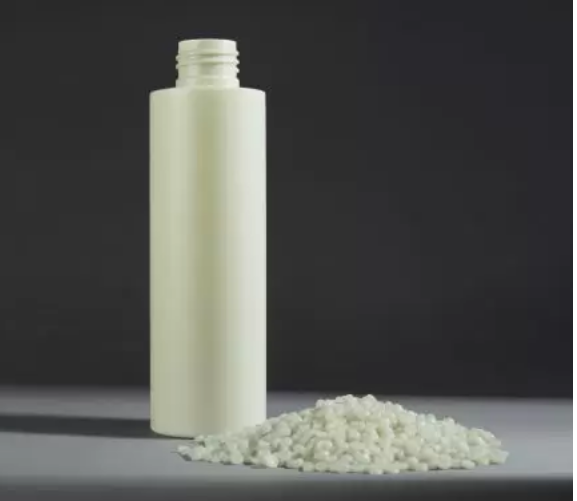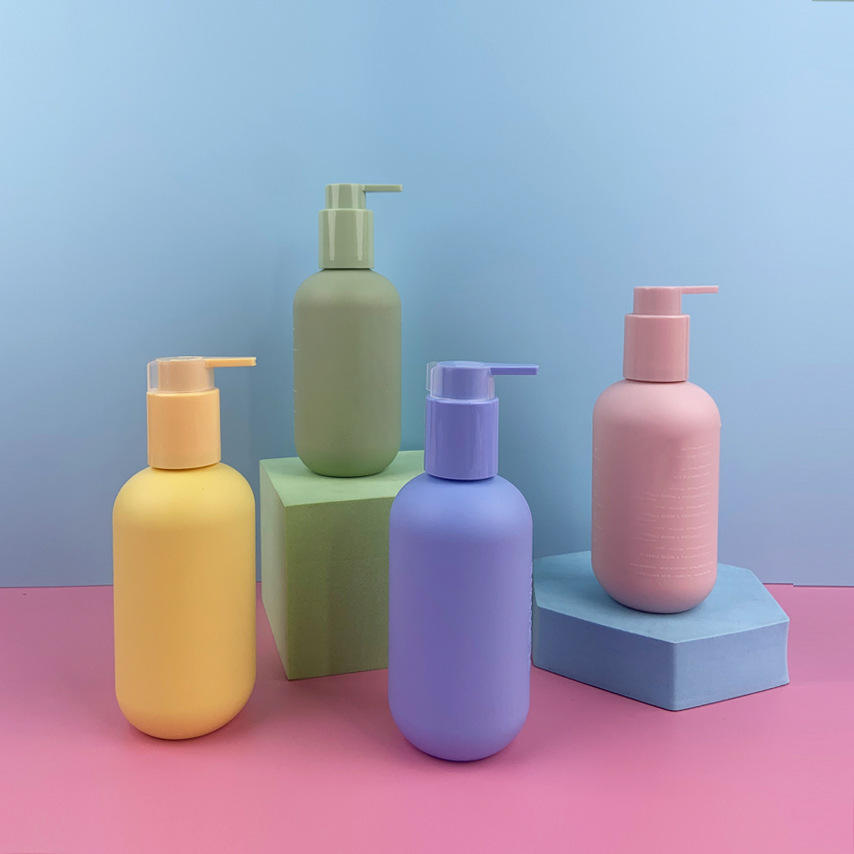


PLA bottles offer a sustainable foundation—but your branding still needs to stick, literally and visually.
Heat transfer and digital printing are the two most common decoration methods for PLA bottles, each with distinct pros, limitations, and compatibility factors.
Let’s break down what works best—and why.

What Are the Main Differences Between Heat Transfer and Digital Printing on PLA Bottles?
While both methods can bring your logo to life, they operate very differently.
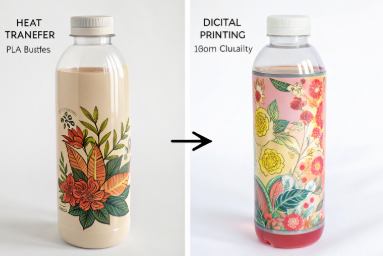
Heat transfer uses pre-printed film and heat pressure to apply designs, while digital printing sprays ink directly onto the PLA surface using specialized heads.
Method Overview
| Printing Method | Process | Setup Needs | Best For |
|---|---|---|---|
| Heat Transfer | Film with ink is heated and bonded to bottle | Mold-specific tooling | Mid-to-high volume runs |
| Digital Printing | Inkjet prints directly onto bottle surface | Minimal setup | Small runs, customization, fast launch |
At PauPack, we offer both methods in-house and advise clients based on volume, detail level, and budget.
How Does Each Printing Method Perform on PLA’s Unique Surface Properties?
PLA has a softer, more temperature-sensitive surface than PET or glass, which affects adhesion and print quality.
Heat transfer can struggle with surface warping or residue if PLA isn't properly treated, while digital printing requires primer or coatings to ensure ink bonding.
PLA Surface Considerations
| Factor | Heat Transfer | Digital Print |
|---|---|---|
| Surface prep required | Yes | Yes |
| PLA melting risk | Moderate at 140–160°C | Minimal |
| Texture compatibility | Best on smooth/matte | Matte preferred |
| Deformation risk | High with improper temperature | Low |
PauPack pre-treats PLA surfaces with UV primers and anti-static coatings to ensure consistent, high-quality results—regardless of print method.
Which Technique Offers Better Durability, Color Accuracy, and Eco-compatibility?
Each method has its strengths—but the “best” one depends on what your brand values most.
Digital printing shines in color flexibility and speed, while heat transfer excels in durability and opacity.
Performance Comparison
| Attribute | Heat Transfer | Digital Printing |
|---|---|---|
| Durability | ✅✅✅ | ✅✅ |
| Color vibrancy | ✅✅ | ✅✅✅ |
| Pantone accuracy | Moderate | High (CMYK + white options) |
| Eco-friendliness | Film waste, but no ink runoff | Low-VOC inks, no film |
| Surface coverage | Full wrap, precise edge | Best on center panels |
We recommend heat transfer for products with high handling, outdoor use, or long shelf life, and digital for small batch, seasonal, or multi-language runs.
How PauPack Helps Brands Choose the Right Print for Their PLA Packaging?
You don’t have to decide alone—we test, recommend, and deliver.
PauPack guides brands through print decisions with mockups, pre-test sampling, and finish recommendations that ensure your message looks good and holds up.
Here’s how we support:
-
🔍 Evaluate design resolution and surface texture
-
🎨 Color-match with Pantone or brand palette
-
🧪 Sample with 2–3 test prints before mass run
-
♻️ Choose low-waste or compostable-compatible inks when required
-
💡 Suggest alternate methods (e.g., debossing, sticker-free designs)
We also advise on label-free branding, such as laser engraving on bamboo lids or embossing on injection-molded PLA bases—to reduce materials and enhance sustainability.
How to Align Print Method with MOQ, Budget, and Sustainability Goals?
Printing isn't just a visual decision—it's strategic.
For startup SKUs, digital print offers fast, flexible access with low MOQ. For long-term core products, heat transfer brings scalable efficiency and edge-to-edge coverage.
Print Method Decision Guide
| Scenario | Best Print Method |
|---|---|
| <1000 pcs, fast launch | Digital |
| 3000–10,000 pcs, consistent SKUs | Heat Transfer |
| Multilingual packaging | Digital (variable print layers) |
| Refill or eco line | Digital or laser mark |
| Premium feel, embossed style | Heat Transfer or hybrid tooling |
At PauPack, we help balance aesthetic, cost, and sustainability with tailored printing strategies—because your PLA bottle deserves branding that’s both bold and biodegradable.
Why Printing on PLA Requires Specialized Techniques Compared to PET or Glass?
PLA isn’t just “plastic”—it’s compostable, heat-sensitive, and finicky.
Standard printing techniques used for PET or glass often fail on PLA, due to its lower melting point (~60°C) and different surface energy.
PLA’s Unique Print Challenges
| Issue | Why It Matters |
|---|---|
| Softness | Can deform under traditional heat-press |
| Surface energy | Lower ink adhesion without primer |
| Bio-based variation | Batch-to-batch inconsistency impacts print uniformity |
| Sustainability standards | Limits use of high-VOC inks or plastic labels |
At PauPack, we apply UV primers and PLA-compatible coatings to prepare each bottle for precise print performance—no smudges, no warping.
How Do Heat Transfer and Digital Methods Handle Color Layering and Detail?
It’s all in the detail—and in how ink or film bonds to bioplastic.
Heat transfer offers bold, consistent color in layers, while digital allows for fine gradients, QR codes, and real-time personalization.
Color & Detail Comparison
| Feature | Heat Transfer | Digital Print |
|---|---|---|
| Layering | CMYK + white or metallic via film | Direct CMYK, requires white base |
| Photo-real prints | Moderate | Excellent |
| Edge clarity | Crisp on flat surfaces | Soft blend on curves |
| Color bleed risk | Low | Medium without topcoat |
| QR code legibility | Fair | Excellent |
For designs with high complexity (like floral, abstract, multi-language SKUs), digital offers unmatched flexibility. For bold branding or limited palette, heat transfer brings reliable impact.
Which Print Method Withstands Moisture, Oils, and Handling Better?
Printing beauty or wellness bottles? Durability matters.
Our lab-tested data shows heat transfer offers stronger moisture and oil resistance, while digital performs well when top-coated or used on dry-area products.
Durability Scorecard (1 = Poor, 5 = Excellent)
| Condition | Heat Transfer | Digital |
|---|---|---|
| Water contact | 5 | 3–4 (with coating) |
| Essential oil exposure | 4 | 2–3 |
| Repeated handling | 5 | 3–4 |
| UV fade resistance | 4 | 4 |
| Label abrasion | 5 | 3 |
PauPack recommends heat transfer for massage oils, outdoor-use kits, or refillable formats, and digital for cleanroom or dry product use like toners, mists, and serums.
How PauPack Optimizes Print Quality on Bioplastic Surfaces?
Every print job starts with testing—and ends with confidence.
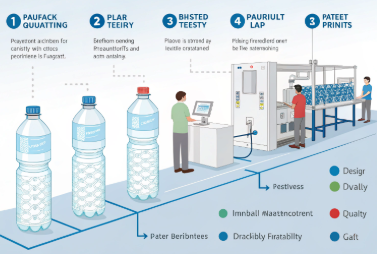
PauPack has developed a print optimization workflow specifically for PLA, integrating coating, curing, ink mix testing, and finish selection.
Our Print Optimization Process
-
Design assessment: Vector vs raster, color blocks vs gradients
-
Material prep: Anti-static cleaning + primer coating
-
Method simulation: Heat vs digital vs hybrid test prints
-
Durability trials: Drop, rub, moisture, and oil contact tests
-
Client signoff: Mockup kit + real sample before mass run
We also help brands design for label-free packaging, using printed or embossed logos directly on the bottle—minimizing waste while maximizing brand impact.
How to Future-proof Your Packaging Design for Evolving Eco Standards?
Sustainability isn’t just about materials—it’s about finishes too.
Regulations in the EU, U.S., and Asia are tightening around labeling, ink toxicity, and compostability claims—making your print choices a compliance issue.
Forward-proof Print Tips
| Strategy | Benefit |
|---|---|
| Use low-VOC, water-based inks | Compliant with EU packaging law updates |
| Avoid multi-layer plastic labels | Easier composting + recycling |
| Choose digital for SKU agility | Better for multilingual or small-batch formats |
| Opt for embossing where possible | Zero ink, maximum sustainability |
| Request LCA or MSDS from supplier | Proves print method compliance |
PauPack provides all supporting documentation—including MSDS for inks, print durability data, and compatibility with ASTM/EN compost standards—so you can move from concept to compliance with ease.
Conclusion
For PLA bottles, printing is both a technical and branding decision. With PauPack’s tailored solutions in heat transfer and digital decoration, your message will not only look right—but last long and stay green.