

Understanding the Basics of Glass Bottle Mold Design
Glass bottle mold design is an essential process in the manufacturing of glass containers. Whether you're a producer of beverages, perfumes, or pharmaceuticals, the design of your bottle mold greatly influences the aesthetic appeal, functionality, and production efficiency of the final product. By focusing on bottle shape development and catering to specific requirements, manufacturers can craft custom glass bottle designs that not only meet industry standards but also stand out in the market.
The process begins with a clear understanding of the desired outcome. What should the bottle look like? What is the bottle's purpose, and in what circumstances will it be used? These preliminary questions lay the foundation for technical decisions such as the type of mold to use, material specifications, and more.
Exploring Bottle Shape Development
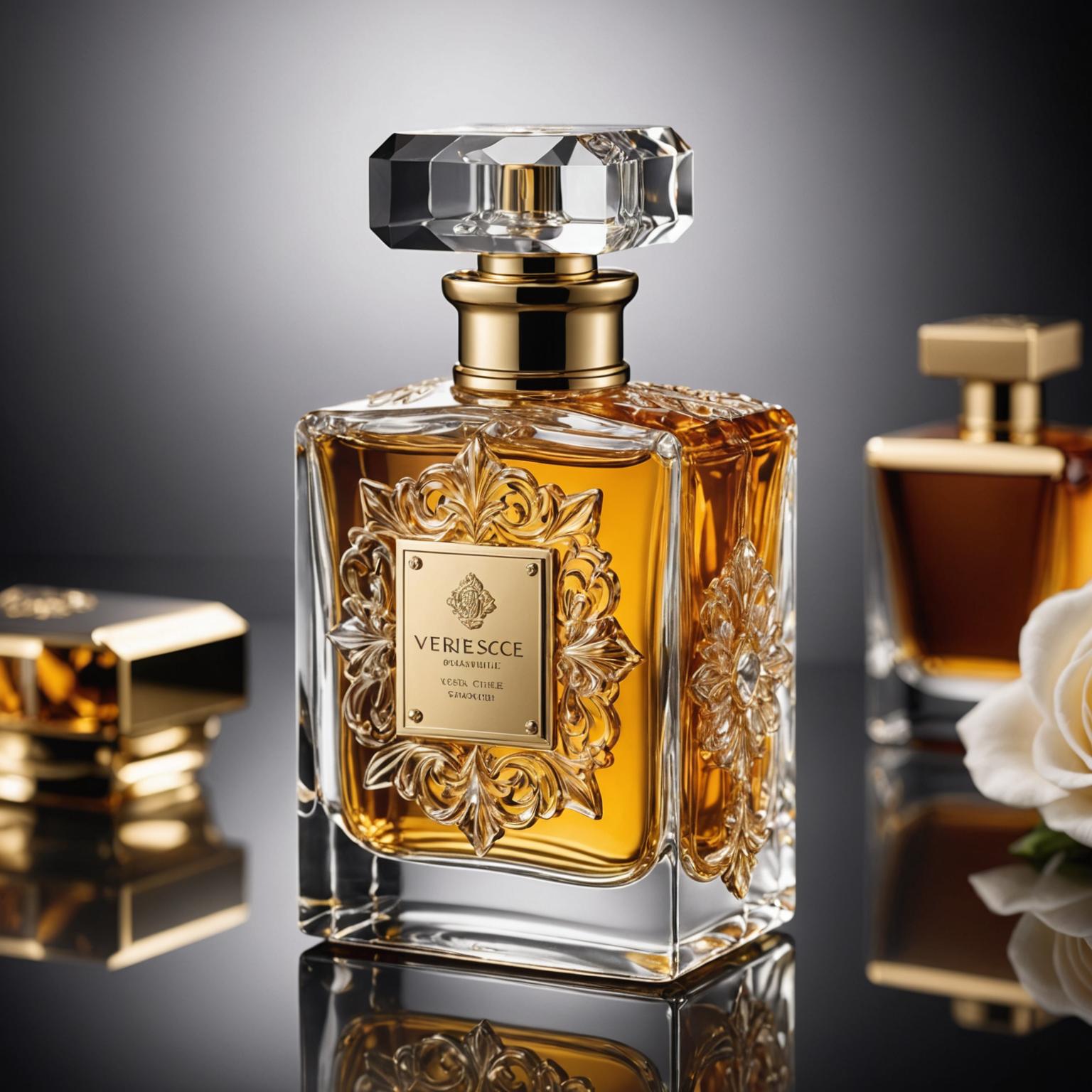
Bottle shape development is a key aspect of glass bottle mold design. This stage involves brainstorming and sketching to define the shape of the bottle. When venturing into this process, keep in mind that bottle shapes serve both an aesthetic purpose and a functional one. For example, a perfume bottle might have an intricate, eye-catching design, while a pharmaceutical bottle might need a shape that ensures safe storage and easy dispensing.
One effective method to refine bottle shapes is through Computer-Aided Design (CAD). CAD software allows designers to visualize their ideas in 3D, making it easier to assess the practicality of the shape and identify any potential challenges in the production phase. CAD tools also simplify iterations, enabling designers to improve the shape until it meets both functional and aesthetic standards.
Additionally, brands that aim for uniqueness often discuss their requirements with mold engineers to develop custom glass bottle designs, blending innovative ideas with practical feasibility.
Custom Glass Bottle Design: Merging Creativity with Function
Custom glass bottle design is where creativity meets the functional aspect of manufacturing. This step is particularly important for businesses that rely on branding to set themselves apart. Custom designs allow manufacturers to incorporate unique branding elements, such as logos, patterns, or specific textures, into the bottle.
When working on a custom glass bottle design, companies should collaborate with experienced design and engineering teams. These experts take into account aspects like ergonomics, branding, and usability. For instance, a beverage bottle might feature a unique grip area, while a luxury spirits bottle might focus on elegance and intricate detailing.
A good custom glass bottle design strikes a balance between creativity and practicality. While creativity helps the bottle stand out on shelves, practicality ensures manufacturing efficiency and usability in real-world applications. This means considering factors like the filling process, capping method, and how the bottle will interact with secondary packaging.
The Role of Bottle Mold Engineering
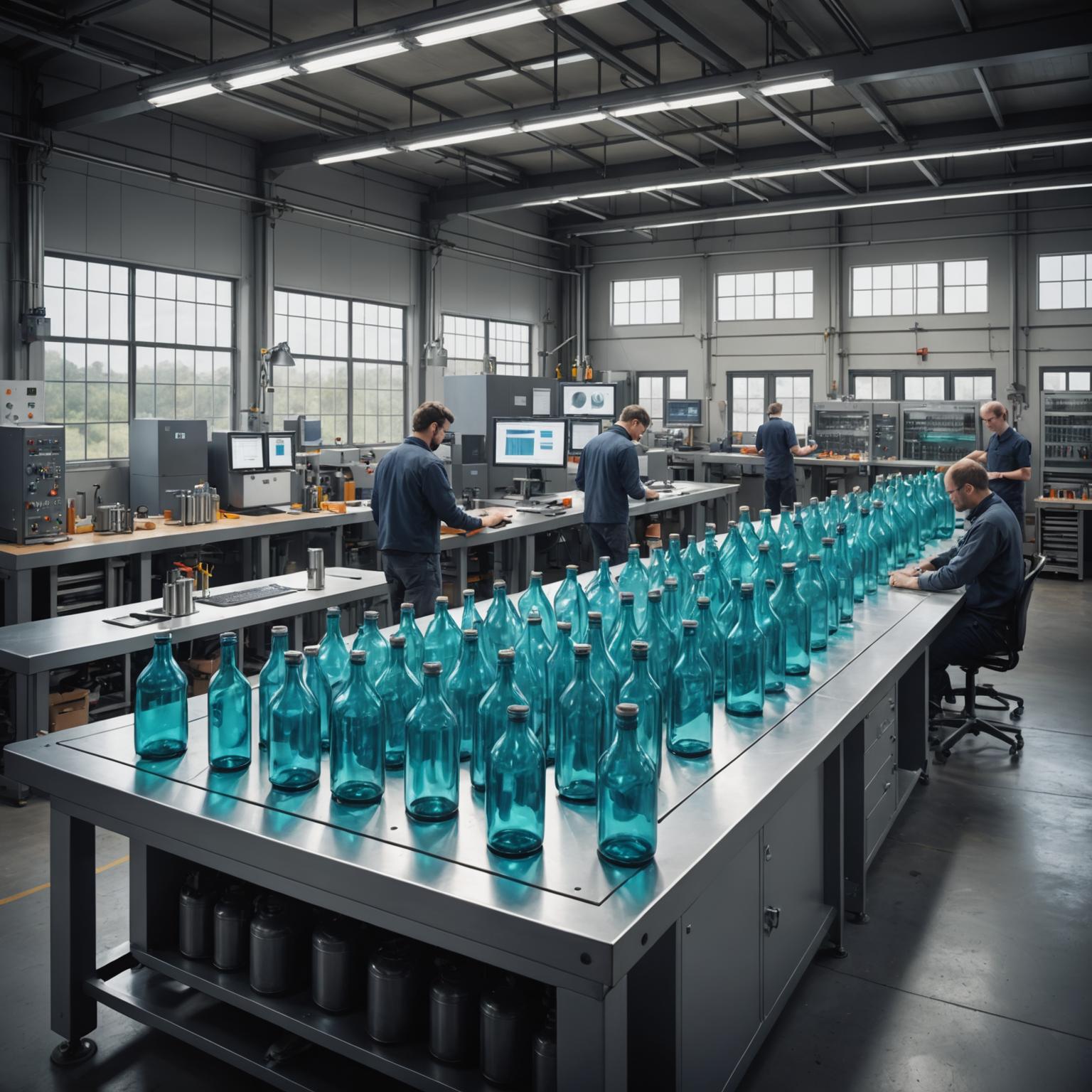
Bottle mold engineering is the backbone of glass bottle production. Once the design is finalized, engineers create molds that bring the design to life. Precision is crucial here. The mold must be crafted with exact dimensions to ensure consistency in production.
Mold materials commonly include cast iron, stainless steel, and other metals that can withstand the high temperatures involved in glass production. The molds are designed to accommodate not just the shape but also the texture and any intricate details from the design. Advanced techniques, such as CNC machining, help create molds with exceptional accuracy.
To ensure long-lasting results, mold maintenance is equally important. Over time, with continued use, molds may wear out or accumulate residues. Regular cleaning and repairs help maintain efficiency and consistency in production.
Steps to Create a Glass Bottle Mold
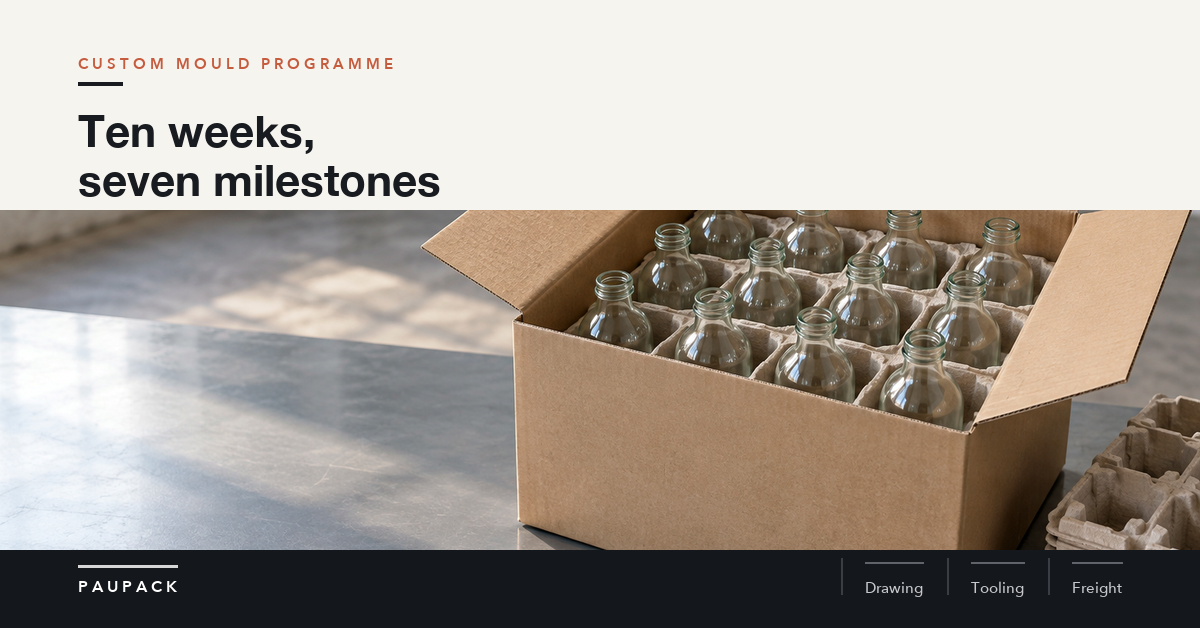
1. **Define Your Requirements**: Before diving into the mold design, outline the purpose of the bottle and the qualities it must exhibit. Is it meant to be lightweight, durable, decorative, or ergonomic? Detailed answers will guide the entire process.
2. **Develop the Bottle Shape**: Employ sketches and CAD tools to iterate on the bottle's design. This step involves refining the shape for practical use without compromising on aesthetics.
3. **Choose the Right Materials**: For molds, select durable and heat-resistant materials to handle the stresses of glass production.
4. **Model and Test Prototypes**: Before investing in full-scale molds, generate 3D-printed prototypes or small sample molds. This step serves to validate your designs.
5. **Craft the Mold**: Using industrial methods like CNC machining, the final production molds are crafted based on the approved design.
6. **Conduct Quality Checks**: After production, inspect the output to ensure the bottles match the desired specifications. If needed, make adjustments to the mold or refine production methods.
Conclusion: Mastering Glass Bottle Mold Design
Glass bottle mold design is both an art and a science. It involves combining innovative bottle shape development, practical custom glass bottle design, and precise bottle mold engineering to create products that excel in form and function. Whether you're setting yourself apart with unique designs or ensuring functionality for specific uses, proper planning and execution are key.
From understanding production requirements to collaborating with experts, every step in this process has an impact. By paying attention to details at all stages, manufacturers can create efficient, beautiful, and distinctive glass bottles for a variety of industries.