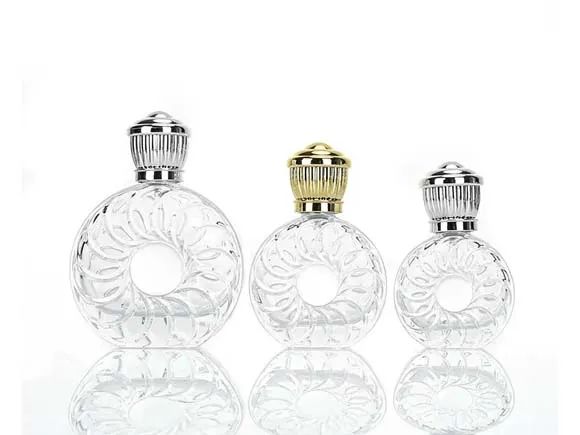


Sustainable packaging is no longer a niche—it’s an industry-wide mandate. As brands and consumers seek cleaner alternatives, post-consumer recycled plastic (PCR) has emerged as a frontrunner in the transition from traditional to circular packaging.
Yes, post-consumer plastic is a promising part of sustainable packaging’s future—it reduces waste, lowers carbon emissions, and supports a circular economy when managed responsibly.
Let’s explore the evolving future of plastic packaging, how PCR fits in, and why brands are adopting it as a core element in their eco-strategy.

What is the future of plastic packaging?
From pollution to precision.
The future of plastic packaging is circular, not disposable. It’s centered on recycled content, compostability, and smart material design that reduces environmental impact.
Where Plastic Packaging Is Headed:
-
Increased use of PCR (Post-Consumer Recycled) content
-
Mono-material designs for easier recycling
-
Bioplastics and plant-based alternatives gaining traction
-
Refillable and returnable systems in cosmetics and food industries
-
Digitally trackable packaging (QR codes, blockchain) for supply chain transparency
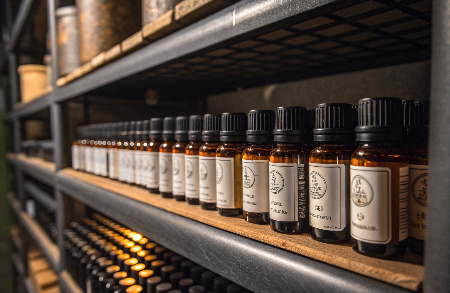
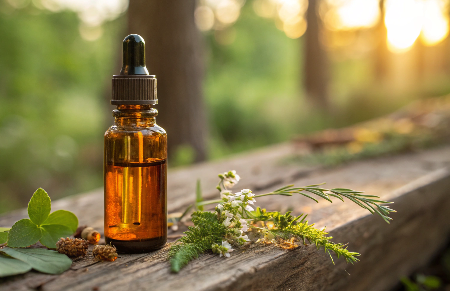
At PauPack, we’ve seen more B2B buyers request PCR-based packaging for essential oils and cosmetics—especially in amber PET bottles, which maintain aesthetic appeal while offering recyclability. Our PCR bottles meet both functional and sustainability goals without compromising shelf presence.
What is the most sustainable form of packaging?
It depends on the context—but circular is key.
The most sustainable packaging uses renewable or recycled materials, requires minimal energy to produce, and can be reused or recycled easily.
Comparison of Sustainable Materials:
| Material | Recyclable | Renewable | Biodegradable | Ideal Use Cases |
|---|---|---|---|---|
| PCR Plastic (PET/HDPE) | ✅ | ❌ | ❌ | Beauty, health, food containers |
| Glass | ✅ | ❌ | ❌ | Essential oils, perfumes |
| Aluminum | ✅ | ❌ | ❌ | Sprays, mist bottles |
| PLA (Bioplastic) | ⚠ (Limited) | ✅ | ✅ | Short-life cosmetics, refills |
| Bamboo | ❌ (limited) | ✅ | ✅ | Lids, jar caps, decorative items |
Sustainability is more than material—it’s about designing for recovery. That’s why PauPack offers mono-material solutions, such as PCR PET bottles with matching caps that simplify recycling and reduce landfill waste.
Can post-consumer recycled plastic be recycled?
Yes—and it should be.
Post-consumer recycled plastic can be recycled again, although quality and contamination must be managed.
PCR Plastic in the Recycling Loop:
-
PET and HDPE PCR plastics are most commonly recycled
-
Each cycle may slightly degrade quality, but advanced tech restores it
-
Color sorting and material purity are essential for closed-loop use
-
Design for recycling (e.g. no metalized labels or mixed caps) enhances effectiveness
At PauPack, we work with suppliers that use FDA-grade PCR resins—safe for beauty, wellness, and food contact. Our PCR bottles are compatible with standard recycling systems and tested for product stability, especially for essential oil storage where leaching is a concern.
What are the trends in sustainable packaging?
The market is evolving fast—and brands must keep up.
Key trends in sustainable packaging include:
-
PCR Integration
More brands are moving to bottles made with 25–100% PCR content to reduce virgin plastic usage. -
Biodegradable and compostable materials
Especially for secondary packaging like sachets, wrap, and fillers. -
Refillable formats
Refill pouches, reusable glass jars, and bulk dispensing models. -
Minimalist and mono-material design
Less complex packaging means better recyclability and reduced waste. -
Certifications and transparency
Packaging with CarbonNeutral®, FSC®, or How2Recycle® labeling is growing. -
Smart packaging tech
Scannable labels for sourcing, usage tips, or recycling instructions.
At PauPack, we stay ahead of trends by partnering with clients in creating low-waste, luxury packaging, such as refillable perfume atomizers, PLA-based containers, and branded PCR bottle series for essential oil sets.
Conclusion
Post-consumer recycled plastic isn’t a perfect solution—but it is a powerful bridge toward circular packaging systems. When designed and sourced responsibly, PCR can reduce waste, support sustainability goals, and keep plastic out of landfills and oceans. At PauPack, we help brands transition to sustainable packaging—combining function, beauty, and environmental impact in every bottle we create.