

Struggling to get your essential oil sprays to smell right or stay blended? You're not alone—many DIYers and even small brands overlook the science behind mixing oils with water.
To mix essential oils with water for a spray, use a solubilizer like alcohol or witch hazel, and keep the oil concentration low—around 2% for body sprays, up to 5% for room use.
Once you understand the chemistry, making a stable, effective spray becomes much easier. Let’s explore how to mix like a pro—without clogged sprayers or floating oil blobs.
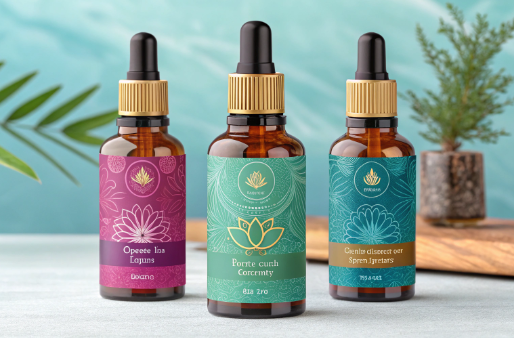

Can you mix essential oil and water to make a spray?
Oil and water don't naturally get along—but there's a workaround.
Yes, you can mix essential oil and water for a spray, but you must use a solubilizer or emulsifier to keep the oil evenly dispersed and prevent separation.
Here’s the catch: without proper blending, your spray will separate, reducing performance and potentially clogging the spray mechanism.
What Happens Without a Solubilizer?
-
Essential oils float on water
-
Scent is inconsistent
-
Clogs and leaks may occur
-
Potential for skin irritation if undiluted oil sprays on skin
Common Solubilizers:
| Ingredient | Best Use | Pros | Cons |
|---|---|---|---|
| Witch Hazel | Facial/body sprays | Gentle, soothing | Limited emulsifying power |
| Grain Alcohol | Room sprays | Strong solubilizer | Can dry skin |
| Solubol or Polysorbate 20 | Professional blends | Stable emulsification | Less “natural” image |
At PauPack, our fine-mist spray bottles are built to handle both water-based and alcohol-based blends, reducing clogging and improving the customer’s experience with every spray.
What is the ratio of essential oils to water for spraying?
Finding the right balance is key—not just for scent, but for safety and function.
A safe and effective essential oil-to-water ratio is 10–15 drops of essential oil per 100ml of water for room sprays, and 5–10 drops for body sprays.
Let’s break down these ratios more precisely.
Suggested Blending Ratios
| Use Case | Water | Essential Oil | Solubilizer |
|---|---|---|---|
| Room Spray | 100ml | 15–25 drops (1%) | 20–30ml Alcohol |
| Linen Spray | 100ml | 10–15 drops (0.5%) | 20ml Witch Hazel |
| Body Spray | 100ml | 5–10 drops (0.25–0.5%) | 20ml Aloe or Witch Hazel |
Go higher and the scent may overpower or irritate skin. Go lower and it may lose impact.
Tip: Start small, test spray on fabric or skin, and adjust upward only if needed. We also advise shaking well before each use unless a solubilizer is used.
What is the best way to mix essential oils in water?
Stirring isn’t enough. Oils need more than water pressure to stay suspended.
The best way to mix essential oils in water is to first combine them with a solubilizer like alcohol or polysorbate, then add this premix to water and shake well.
Step-by-Step Mixing Guide:
-
Measure Your Oils: For 100ml water, use 10–25 drops depending on use.
-
Blend with Solubilizer: Mix oils with 1 teaspoon (5ml) alcohol or witch hazel first.
-
Combine with Water: Slowly add water while stirring.
-
Bottle & Shake: Pour into a spray bottle, shake vigorously.
Why This Matters:
If you skip premixing, the oils will float and won't integrate properly, leading to issues with spray quality and performance. PauPack offers glass spray bottles with UV protection (like amber or cobalt blue) to preserve your blend and keep it fresher longer.
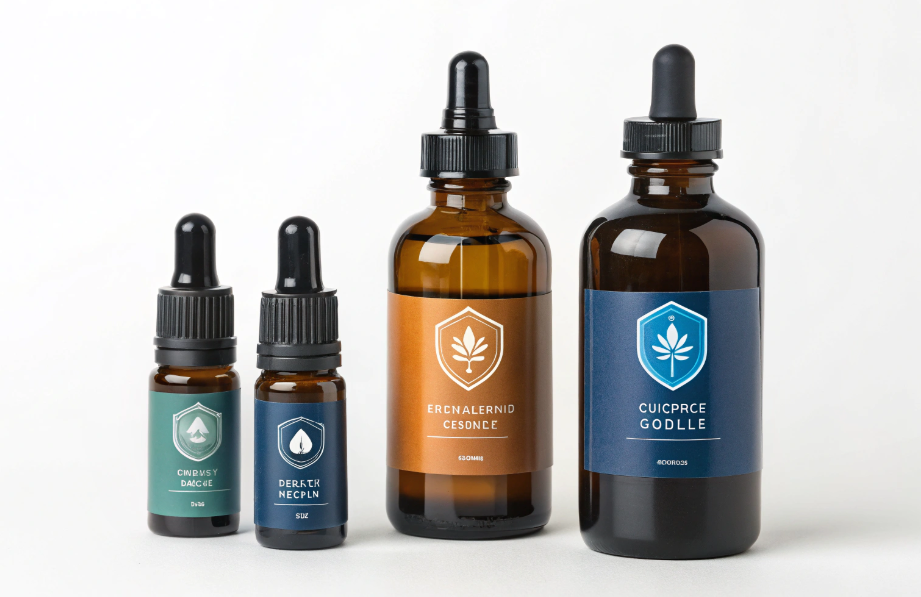
How to solubilize essential oil in water?
Solubilization is more than mixing—it’s creating a stable bond between oil and water.
To solubilize essential oils in water, mix them with a solubilizer such as high-proof alcohol, polysorbate 20, or natural emulsifiers like glycerin, then blend into water.
What Makes a Good Solubilizer?
| Solubilizer | Works With | Use Level | Notes |
|---|---|---|---|
| Alcohol (Vodka/Everclear) | Room/linen sprays | 20–30% of total | Best for wide dispersion |
| Witch Hazel | Body/facial sprays | 15–20% | Gentle, semi-effective |
| Glycerin | Moisturizing sprays | 5–10% | Adds viscosity |
| Solubol | Professional-grade | Follow instructions | Designed for essential oils |
Always match the solubilizer to the spray’s purpose. For example, room sprays can tolerate alcohol, but body sprays require gentler solutions. PauPack helps B2B clients match bottle specs (e.g., neck size, sprayer output) with formulation needs to avoid technical mismatch.
Conclusion
Blending essential oils and water into a functional, stable spray is part art, part chemistry—but with the right ratios and tools, it’s totally doable.