

The demand for sustainable packaging solutions has accelerated rapidly in recent years, driven by increased environmental awareness, regulatory mandates, and consumer preferences. Post-Consumer Recycled (PCR) plastic bottles have emerged as a leading option for brands seeking to reduce their carbon footprint and support circular economy initiatives. However, choosing the rightPCR bottlemanufacturer involves more than just comparing prices. Certifications, quality assurance, traceability, and compliance with evolving regulations play critical roles in ensuring the authenticity and performance of PCR bottles.
This comprehensive guide explores how to effectively evaluate PCR bottle manufacturers by balancing certification requirements against cost considerations. We will also highlight howwww.paupacking.com, a trusted supplier of premium sustainable packaging, integrates certifications and cost-efficiency to deliver superiorPCR bottles.

Understanding PCR Bottles and Their Importance
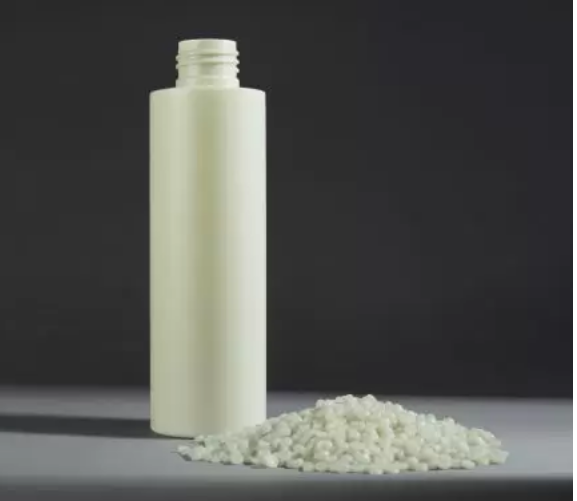
PCR bottles are made from recycled plastic materials collected after consumer use. Incorporating PCR content reduces reliance on virgin plastics, conserves resources, and lowers greenhouse gas emissions. However, the quality and safety ofPCR bottlesdepend heavily on the source material and manufacturing processes.
Benefits of PCR Bottles
-
Environmental Impact:Significantly reduces plastic waste and carbon footprint.
-
Regulatory Compliance:Meets increasing legislative requirements for recycled content.
-
Consumer Appeal:Attracts eco-conscious customers seeking sustainable products.
-
Circular Economy Support:Encourages recycling and reuse of plastics.
Why Certifications Matter in PCR Bottle Manufacturing
Certifications provide independent verification thatPCR bottlesmeet specific standards for recycled content, quality, safety, and traceability. They build trust with brands, regulators, and consumers by ensuring transparency and accountability throughout the supply chain.
Key PCR Certifications and Standards
| Certification/Standard | Description | Significance |
|---|---|---|
| APR PCR Certification | Third-party verification by the Association of Plastic Recyclers, based on ISO chain-of-custody and traceability standards. | Ensures credible PCR content claims and compliance with regulations like California SB54. |
| ISO 14021:2016 | International standard defining environmental labels and declarations, including PCR content. | Provides globally recognized guidelines for recycled content claims. |
| RecyClass Audit Scheme | European certification scheme for recycled plastics traceability and quality. | Harmonizes PCR certification across EU markets. |
| Global Recycled Standard (GRS) | Certification covering recycled content, chain of custody, social and environmental practices. | Ensures sustainability beyond just recycled content. |
| Food Contact Certifications | Certifications ensuring PCR materials are safe for food and beverage packaging. | Critical for brands in food and beverage sectors. |
Why Choose Certified PCR Manufacturers?
-
Transparency:Verified PCR content and traceability data.
-
Credibility:Independent audits protect brand reputation.
-
Regulatory Readiness:Compliance with evolving minimum recycled content mandates and Extended Producer Responsibility (EPR) laws.
-
Market Stability:Supports development of robust recycled materials markets.
Cost Analysis: What Influences PCR Bottle Pricing?
When evaluatingPCR bottlemanufacturers, cost is a major factor but must be analyzed in context. Key cost drivers include:
| Cost Factor | Description | Impact on Pricing |
|---|---|---|
| PCR Resin Quality | Higher purity and certified PCR resins cost more. | Premium PCR content increases material cost. |
| Certification Costs | Fees for audits, documentation, and compliance. | Certified manufacturers may charge more. |
| Production Scale | Larger production volumes reduce unit costs. | Economies of scale lower price per bottle. |
| Manufacturing Technology | Advanced processing for quality and contamination control. | Higher investment leads to better quality and price. |
| Customization | Custom shapes, colors, and decoration add cost. | Personalized packaging increases unit price. |
| Logistics and Location | Shipping and import/export fees vary by region. | Proximity to market affects overall cost. |
Balancing Certification and Cost: Key Considerations
| Consideration | Description | Strategic Approach |
|---|---|---|
| Compliance vs. Price | Certified PCR bottles may cost more but ensure regulatory compliance and brand trust. | Prioritize certification for regulated or premium markets. |
| Quality Assurance | Cheaper bottles may lack consistent PCR content or have contamination issues. | Invest in certified suppliers to avoid quality risks. |
| Supply Chain Transparency | Traceability is essential for audits and consumer claims. | Choose manufacturers with ISO and APR certification. |
| Sustainability Goals | Align supplier certifications with corporate sustainability commitments. | Select partners likewww.paupacking.comwith strong eco credentials. |
| Customization Needs | Custom packaging may increase cost but enhance brand differentiation. | Balance customization with volume and budget. |
| Long-Term Partnership | Reliable certified suppliers reduce risk of recalls and legal issues. | Build strategic relationships for consistent supply. |
Overview of the APR PCR Certification Program
The Association of Plastic Recyclers (APR) PCR Certification is a leading program that verifies post-consumer recycled content through independent audits. Key features include:
-
Based on ISO chain-of-custody and traceability standards.
-
Covers major plastic resin types (PET, HDPE, PP, LDPE/LLDPE).
-
Recognized by legislation such as California SB54 and Oregon EPR laws.
-
Allows multi-site certification under a single corporate certificate.
-
Provides marketing toolkits to promote certified PCR use.
Manufacturers with APR PCR certification demonstrate commitment to quality and compliance, a factor that can justify higher costs.
Case Study:www.paupacking.com’sApproach to PCR Bottle Manufacturing
www.paupacking.comintegrates certification and cost efficiency by:
-
Utilizing APR PCR certified resins and maintaining ISO 9001 quality management systems.
-
Offering customizable packaging solutions that meet regulatory and sustainability standards.
-
Employing advanced manufacturing technologies to ensure consistent PCR content and product quality.
-
Providing transparent supply chain traceability and documentation.
-
Balancing competitive pricing with premium certification credentials.
This approach enableswww.paupacking.comto serve global clients seeking reliable, certifiedPCR bottleswithout compromising cost-effectiveness.
Table: Comparison of PCR Bottle Manufacturer Attributes
| Attribute | Certified Manufacturer (e.g.,www.paupacking.com) | Non-Certified Manufacturer |
|---|---|---|
| PCR Content Verification | Independent third-party audits | Self-declared or unverified |
| Regulatory Compliance | Meets global and regional standards | Risk of non-compliance |
| Quality Control | Robust ISO 9001 systems | Variable, often inconsistent |
| Traceability | Full chain-of-custody documentation | Limited or no traceability |
| Pricing | Premium but justified by quality and certification | Lower upfront cost, higher risk |
| Sustainability Support | Eco-friendly materials and processes | Limited sustainability focus |
| Customer Confidence | High, supports brand reputation | Lower, potential brand risk |
Evaluating PCR Bottle Manufacturers: Step-by-Step
Step 1: Define Your Requirements
-
Determine minimum PCR content needed based on regulations and brand goals.
-
Identify required certifications (APR, ISO, food contact, etc.).
-
Specify packaging customization needs and volumes.
Step 2: Research Potential Suppliers
-
Check certification status via APR Certified PCR Directory and ISO registries.
-
Review supplier quality management and sustainability policies.
-
Evaluate manufacturing capabilities and technology.
Step 3: Request Samples and Documentation
-
Obtain physical samples to assess quality and appearance.
-
Request certificates of analysis, audit reports, and chain-of-custody documents.
Step 4: Analyze Cost and Value
-
Compare pricing quotes including certification and customization fees.
-
Consider total cost of ownership, including risk mitigation and brand value.
Step 5: Conduct Supplier Audits
-
If possible, perform on-site or virtual audits to verify compliance and capabilities.
-
Assess supplier responsiveness and customer service.
Step 6: Make an Informed Decision
-
Choose a supplier balancing certification, quality, cost, and strategic alignment.
-
Establish clear contracts specifying PCR content, certification maintenance, and quality standards.
Future Trends in PCR Bottle Manufacturing
-
Increasing PCR Mandates:States and countries are raising minimum recycled content requirements, pushing for 50% or more by 2030.
-
Global Harmonization:Programs like APR PCR Certification and RecyClass work toward unified standards.
-
Advanced Recycling Technologies:Chemical recycling and improved sorting enhance PCR quality and availability.
-
Sustainability Integration:Brands demand full lifecycle transparency and circular economy solutions.
-
Digital Traceability:Blockchain and IoT tools improve supply chain transparency and consumer trust.
Conclusion
Choosing the rightPCR bottlemanufacturer requires a careful balance between certifications and cost. Certifications such as APR PCR and ISO standards provide essential assurance of quality, traceability, and regulatory compliance. While certified bottles may carry a premium price, the benefits in brand reputation, legal compliance, and sustainability often outweigh cost savings from uncertified alternatives.
www.paupacking.comexemplifies how manufacturers can integrate rigorous certification programs with competitive pricing and customization options, delivering reliable, eco-friendly PCR bottles that meet the evolving needs of global markets.
Brands seeking to invest in sustainable packaging should prioritize certified suppliers to safeguard product integrity and consumer trust while managing costs effectively. By following a structured evaluation process and partnering with trusted manufacturers, companies can confidently navigate the complex PCR bottle market and contribute meaningfully to a circular economy