

Oil can go from liquid gold to rancid mess quickly—especially when stored next to the stove.
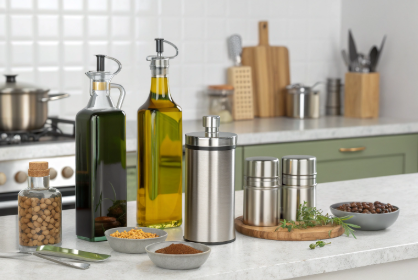
The best bottles for storing cooking oils near heat sources are dark glass or stainless steel containers with airtight, controlled-pour spouts to reduce oxidation and preserve flavor.
Let’s face it—convenience matters when you’re cooking. But ease of access shouldn’t come at the cost of freshness. While it’s tempting to keep oils near the stove for easy access, it’s crucial to store them in a cool, stable environment to maintain their quality. Here’s how to store oils right at arm’s reach without sacrificing quality.
Proper oil storage is essential to maintain the quality and freshness of olive oil, cooking oils, and essential oils. When storing oils, it’s crucial to consider factors such as temperature, light exposure, and oxygen levels to prevent oxidation and rancidity. Using dark glass bottles, airtight containers, and controlled environments can significantly extend the shelf life of your oils. For instance, extra virgin olive oil, canola oil, and grapeseed oil all benefit from being stored in dark glass bottles that protect against light exposure. By understanding and implementing these best practices, you can preserve the nutritional value and flavor of your oils, ensuring they remain a staple in your cooking.

Why does the type of bottle matter for oil near the stove?
Constant heat, light, and air exposure can quickly turn healthy cooking oil into oxidized, flavorless fats.
To store oils safely near the stove, you need the right container that blocks light, limits air exposure, and allows controlled pouring.
The enemies of oil freshness
|
Factor |
Damage It Causes |
How to Prevent It |
|---|---|---|
|
Heat |
Speeds up oxidation |
Use temperature-stable containers |
|
Light |
Breaks down nutrients |
Choose dark-colored bottles |
|
Air (Oxygen) |
Leads to rancidity |
Airtight, small-opening containers |
Olive oil, avocado oil, grapeseed oil, and sesame oil all benefit from protection against heat, light, and oxygen to prevent rancid oil. A proper bottle extends shelf life, preserves flavor, and helps maintain nutritional value.
Benefits of Dark Glass
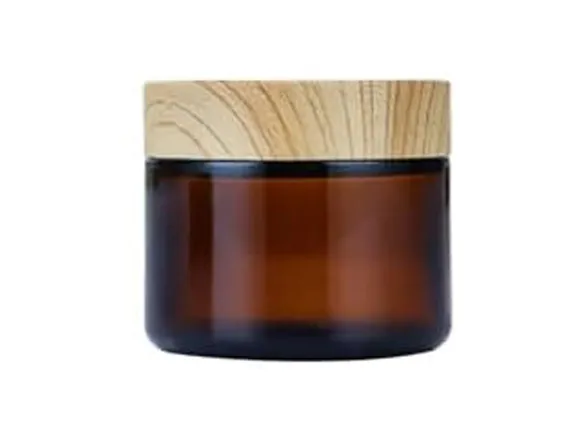
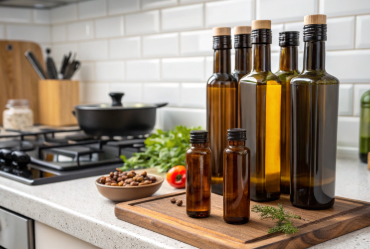
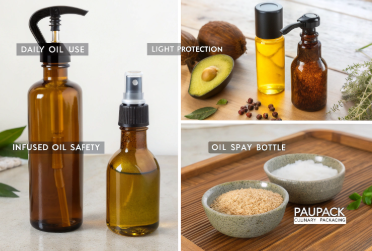
Dark glass bottles are an excellent choice for storing oils, particularly olive oil and essential oils. The dark color protects the oil from UV rays and light exposure, which can cause photo-oxidation and degradation. Dark glass bottles, such as cobalt blue or amber glass, help maintain the oil’s freshness and prevent the growth of harmful microorganisms. Additionally, dark glass bottles are often made from high-quality materials that are non-porous and resistant to chemical reactions, ensuring that your oil remains pure and uncontaminated. When selecting a dark glass bottle, look for one that is specifically designed for oil storage, such as an olive oil container or essential oil bottle.

What is the best container for everyday cooking oils?
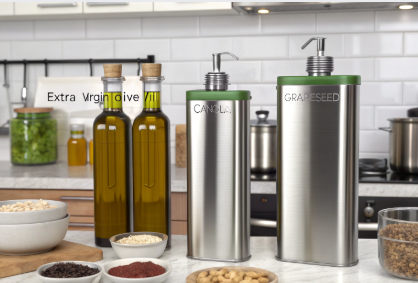
You don’t need a laboratory—just the right olive oil bottle on your kitchen counter.
Dark glass bottles with a narrow spout or a well-designed olive oil dispenser are best for storing oils used daily in cooking.
Let’s compare the options
|
Bottle Type |
Light Protection |
Heat Resistance |
Dishwasher Safe |
Looks Great on Counter |
|---|---|---|---|---|
|
Amber Glass |
★★★★★ |
★★★☆☆ |
★★★☆☆ |
★★★★☆ |
|
Cobalt Blue Glass |
★★★★☆ |
★★★☆☆ |
★★★☆☆ |
★★★★★ |
|
Clear Glass |
★☆☆☆☆ |
★★★☆☆ |
★★★★☆ |
★★★★☆ |
|
Stainless Steel |
★★★★★ |
★★★★★ |
★★★★★ |
★★★☆☆ |
|
Ceramic Bottle |
★★★★☆ |
★★★★☆ |
★★★☆☆ |
★★★★★ |
|
Plastic Container |
☆☆☆☆☆ |
★☆☆☆☆ |
★★★★☆ |
★★☆☆☆ |
At PauPack, we specialize in deep-colored glass oil dispensers with anti-drip pour spouts and airtight seals—perfect for kitchen use. Our containers are temperature-stable, BPA-free, and designed to prevent oxidation even in busy, high-heat kitchen settings.
Oil dispensers are sometimes called cruets and are essential kitchen equipment that can significantly improve the pouring experience.
Size and Design
The size and design of an oil container can significantly impact the quality and freshness of the oil. Smaller bottles, such as 12-ounce or 17-ounce bottles, are ideal for storing oils as they minimize the amount of oxygen that comes into contact with the oil. A pouring spout or pour spout can also be beneficial, as it allows for easy and controlled pouring, reducing the risk of spills and contamination. When choosing an oil container, consider the type of oil being stored, as well as the frequency of use. For example, a small, dark glass bottle with a tight-fitting lid may be suitable for storing extra virgin olive oil, while a larger, stainless steel container may be better suited for storing cooking oils like canola or grapeseed oil.
Is plastic safe for storing oils near heat?
Many low-cost oil bottles come in plastic—but should they?
No, plastic containers are not ideal for storing oils near the stove due to risk of chemical leaching, deformation, and light penetration. It's best to keep olive oil in its original bottle, as these are specifically designed to protect the oil from light, heat, and air.
Problems with plastic:
-
Absorbs oil aromas, making reuse difficult
-
Releases chemicals when exposed to heat
-
Can’t block UV—oils degrade faster
-
Shorter shelf life of contents, especially extra virgin olive oil, which should be used within 18 months of production to ensure optimal taste and quality
For long-term use, always transfer oils from original plastic bottles into glass or stainless steel dispensers that are built to withstand stove-side conditions.
What about olive oil and EVOO near the stove?
We all love to drizzle a bit of liquid gold while cooking. But how you store extra virgin olive oil (EVOO) is critical. Keeping olive oil cool is essential to preserving its flavor and health benefits.
EVOO should be stored in a dark glass or ceramic bottle with a sealed lid and narrow opening, kept away from direct sunlight and extreme heat. To store olive oil properly, place it in a cool, dark cupboard away from heat sources like stoves and ovens to prevent rancidity.
Olive oil storage tips:
-
Keep it cool: below 68°F (20°C) is ideal
-
Keep it dark: UV light destroys antioxidants
-
Keep it tight: less air = slower oxidation
-
Keep it small: smaller bottles reduce oxygen exposure
-
Buy olive oil in smaller quantities: Purchasing smaller amounts ensures freshness and maintains flavor and health benefits. Experts suggest that larger containers may lead to diminished quality over time, so prioritize smaller, quicker turnover purchases.
What about near the stove?
It’s okay to keep a small refillable dispenser near the stove for convenience when keeping oils—but store the bulk of your oil in a dark cupboard or pantry.
PauPack offers UV-resistant amber glass olive oil bottles with non-drip pourers that combine function with elegance. They’re perfect for both countertop display and preserving taste integrity.
How do I choose the right spout for oil?
Drip, splash, or pour—you want control in the kitchen.
Look for a spout that offers a tight seal, controlled flow, and preferably includes a cap to block air. Squeeze bottles are also a great option as they provide versatility for dispensing a variety of sauces and batters efficiently.
Spout comparison:
|
Spout Type |
Control |
Seal |
Common Use |
|---|---|---|---|
|
Metal Drip Spout |
★★★★☆ |
★★★☆☆ |
Olive oil, vinegar |
|
Flip-Top Spout |
★★★☆☆ |
★★★★☆ |
Cooking oils |
|
Press-to-Pour Cap |
★★★☆☆ |
★★★★☆ |
Daily-use canola or veggie oil |
|
Squeeze Bottle |
★★★★☆ |
★★☆☆☆ |
Low-viscosity oils |
We design custom oil dispenser heads compatible with our full bottle catalog. Whether you want a sleek stainless steel pourer or a silicone-sealed ceramic cork, PauPack can OEM it for you. A metal drip spout is often the go-to choice for olive oil due to its excellent control and moderate sealing capabilities.
Aesthetic Considerations
While functionality is essential, the aesthetic appeal of an oil container should not be overlooked. A beautifully designed oil dispenser or bottle can add a touch of elegance to your kitchen, making it a pleasure to cook and entertain. Consider the style and material of the container, as well as the color and shape. For example, a ceramic bottle or glass bottle with a decorative label can add a touch of sophistication to your kitchen. Additionally, a well-designed oil container can make it easier to access and use your oils, encouraging you to cook with them more frequently.
How can I prevent oil from going rancid?
Even the best oils can spoil if exposed to the wrong conditions.
To keep your oil fresh and prevent rancidity, store oils in a sealed, dark bottle, avoid exposure to air and heat, and use smaller refillable bottles.
Pro tips to preserve oil quality:
-
Always close the lid tightly
-
Don’t store near a heat source or sunlight
-
Store in a cool, dark place to prevent degradation
-
Wipe the bottle mouth clean after use
-
Avoid clear bottles unless stored in a dark cabinet
-
Label with open date—track shelf life
Shelf Life Examples:
|
Oil Type |
Average Shelf Life |
Needs Protection From |
|---|---|---|
|
Extra Virgin Olive Oil |
12–18 months |
Light, Air, Heat |
|
Avocado Oil |
8–12 months |
Heat, Air |
|
Canola Oil |
6–12 months |
Light, Air |
|
Sesame Oil |
6–9 months |
Heat, Light |
|
Grapeseed Oil |
3–6 months |
Heat, Light |
Cleaning and Maintenance
Regular cleaning and maintenance are crucial to ensuring the quality and freshness of your oils. When cleaning an oil container, use a mild detergent and warm water, avoiding harsh chemicals or abrasive materials that can damage the container or contaminate the oil. For glass bottles, a dishwasher safe photo or a gentle hand wash may be suitable. Stainless steel containers can be cleaned with a soft cloth and mild soap. After cleaning, dry the container thoroughly to prevent moisture from accumulating and causing spoilage. By following these simple cleaning and maintenance tips, you can enjoy your oils for a longer period and maintain their nutritional value and flavor.

Conclusion
The right bottle does more than look good—it keeps your oil fresher, longer. Dark glass, tight seals, and temperature-safe designs are essential near the stove.