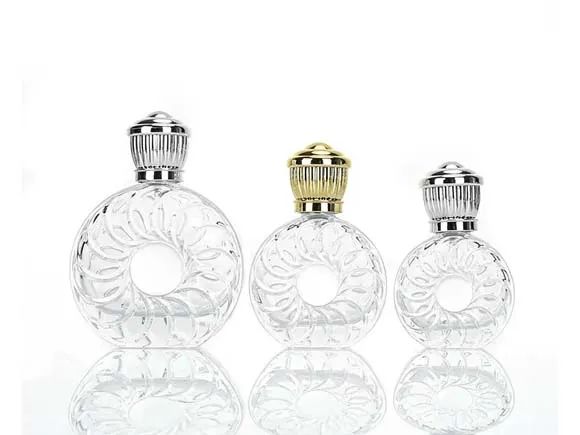


Reusing or refilling essential oil bottles can save money and reduce waste—but leftover oil residue and strong smells often make cleaning a challenge.
To properly clean essential oil glass bottles, rinse them with warm soapy water, follow with alcohol or vinegar for residue removal, and allow full air-drying before reuse or sterilization.
Whether you're a DIY enthusiast or a brand refilling returned packaging, mastering this process ensures product purity and bottle longevity.
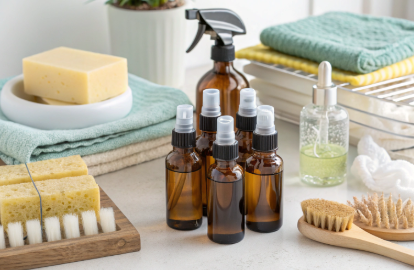

How to clean essential oil bottle glass?
Sticky residue, leftover scents, and cloudy surfaces can all ruin your next batch.
To clean essential oil glass bottles, rinse with warm soapy water, soak in white vinegar or alcohol, and scrub with a small bottle brush.
Dive Deeper: Step-by-Step Cleaning Method
Cleaning essential oil bottles isn’t just about appearance—it’s about safety, especially when you're switching blends or reusing bottles for customer samples.
Step 1: Disassemble
Remove all components:
-
Caps
-
Orifice reducers
-
Dropper tops or rollers
Soak these separately in soapy water.
Step 2: Rinse & Soak
Fill bottles with warm water and a few drops of mild dish soap. Let sit for 15–30 minutes.
Then, soak in white vinegar or isopropyl alcohol (70%+) to break down essential oil residue. This step dissolves oils that water alone can't remove.
Step 3: Scrub the Inside
Use a small bottle brush or pipe cleaner to scrub the inside gently, especially if the bottle had thick oils like vetiver or sandalwood.
Step 4: Rinse & Dry
Rinse thoroughly with distilled water. Let bottles air dry upside down on a clean towel or rack.
At PauPack, we supply brands with bottles designed for reusability and easy cleaning—with wide-neck options and glass that holds up to repeated use.
How do you sterilize glass bottles for oil?
Clean is good. Sterile is better—especially for commercial or therapeutic use.
To sterilize glass essential oil bottles, boil them in water for 10–15 minutes or use a steam sterilizer. Air dry completely before use.
Dive Deeper: Sterilization Methods That Work
Sterilization is essential for brands that refill or repurpose packaging. Here’s how to do it safely:
Method 1: Boiling
-
Place bottles in a pot of cold water (make sure they don’t touch each other)
-
Slowly bring to a boil and continue boiling for 10–15 minutes
-
Remove with sterilized tongs
-
Place on a clean cloth to air dry
Note: Do not boil droppers or plastic caps—they may deform. These should be sterilized using alcohol instead.
Method 2: Steam Sterilizer
Ideal for large batches:
-
Use a baby bottle steam sterilizer or autoclave
-
Safe for high-temperature resistant glass only
-
Follow manufacturer instructions
Method 3: Alcohol Rinse (Fast Method)
-
Rinse inside with isopropyl alcohol (90%+)
-
Shake, then drain
-
Air dry completely
At PauPack, we help brands prepare bottles that are both sterilization-safe and compliant with GMP. If you're filling oils in-house, ask us about our sterilizable packaging solutions and QC protocols.
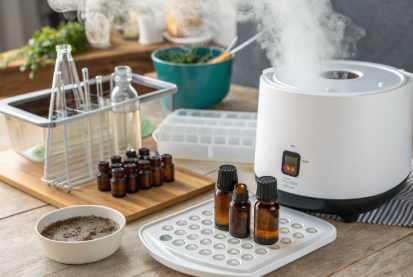
How to clean an essential oil spray bottle?
Spray bottles present extra challenges—especially with sticky oils or clogged nozzles.
To clean an essential oil spray bottle, flush the bottle and sprayer tube with warm soapy water, rinse with alcohol or vinegar, and spray clean water through the nozzle until clear.
Dive Deeper: Preventing Nozzle Clogs and Mold
Step 1: Disassemble
Remove the spray top from the bottle. Soak both parts separately.
Step 2: Flush the Nozzle
Fill the bottle with warm water and dish soap. Reattach the sprayer and pump the liquid through until it runs clean.
Repeat this process with white vinegar or isopropyl alcohol to break down any remaining oil residue inside the pump.
Step 3: Rinse & Dry
Rinse everything thoroughly with distilled water. Let all parts air dry.
Pro Tips:
-
Use a small pipe cleaner to scrub the nozzle intake tube
-
If clogged, soak the nozzle in alcohol and use a needle to gently clear debris
At PauPack, our essential oil spray bottles are made with chemical-resistant PP or aluminum mechanisms and designed for reuse. We also provide guidance on proper cleaning for refillable formats, especially for spa or aromatherapy use.
How to get essential oil smell out of glass bottles?
Some oils linger long after the last drop.
To remove essential oil smell from glass bottles, soak in a mixture of baking soda, vinegar, and warm water, then rinse and dry thoroughly.
Dive Deeper: Neutralizing Strong Aromas
Even after washing and sterilizing, heavy oils like patchouli or eucalyptus can leave behind scent traces.
Deodorizing Formula:
-
Add 1 tsp baking soda to the bottle
-
Fill halfway with warm vinegar
-
Let sit for 12–24 hours
-
Scrub and rinse thoroughly
This neutralizes both acid and base odor molecules. For stronger scents, repeat the process.
Other Methods:
-
Rinse with activated charcoal solution
-
Use lemon essential oil + salt as a natural scrub
-
Let the bottle sit in open air for 48+ hours after cleaning
At PauPack, we test glass for odor retention and residue resistance. Our packaging-grade amber and flint glass is more effective at resisting aroma staining—helping brands maintain a consistent sensory experience across product batches.
Conclusion
Cleaning essential oil bottles is more than a chore—it’s critical for safety, scent control, and product integrity. PauPack helps you choose and maintain reusable glass that’s built to last.