

Essential oils may look eternal—but oxidation is quietly ticking in every bottle.
Most essential oils last 1–3 years when stored properly in dark glass bottles, though some like patchouli or sandalwood can improve with age.
Whether you're a beauty brand bottling lavender for skincare, a spa formulating diffusers, or an aromatherapy seller on Amazon, knowing how long your oils last—and how to preserve them—can save you from customer complaints and product waste. Let’s unpack what causes essential oils to expire and how you can extend their shelf life with smart packaging and storage.

How can you tell if essential oils have gone bad?
Looks the same. Smells... off. Feels sticky. Time to investigate.
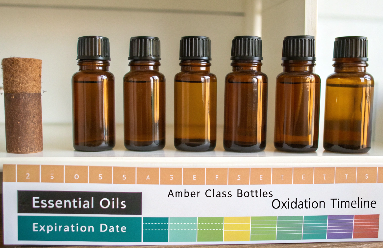
Essential oils that have gone bad often have a sour, metallic, or dull smell, may feel thicker, or change color over time.
Dive Deeper: 5 Warning Signs Your Oil Has Expired
Essential oils don’t “spoil” like milk, but they do oxidize—breaking down chemically, changing scent, and sometimes becoming irritating to the skin. Here’s what to watch for:
1. Scent Changes
-
Fresh lavender: Floral, calming.
-
Expired lavender: Sharp, sour, almost vinegary.
2. Color Shifts
-
Lemon oil that once looked golden may darken.
-
If your essential oil turns black, skip ahead—we’ll cover that.
3. Viscosity
Oils like eucalyptus or tea tree can get thicker and cloudy when they’re no longer stable.
4. Skin Sensitivity
Even if it smells okay, an oxidized oil can become a skin irritant or allergen.
5. Packaging Damage
Leaky caps, warped droppers, or bottle cracks can indicate air exposure—your oil’s worst enemy.
At PauPack, we provide airtight essential oil bottles with dropper inserts and tamper-evident caps that prevent oxygen exposure. Our clients in skincare, wellness, and medical aromatherapy trust our packaging to keep oils fresh longer.
Should essential oils be kept in dark bottles?
This isn’t just a branding choice—it’s science-backed protection.
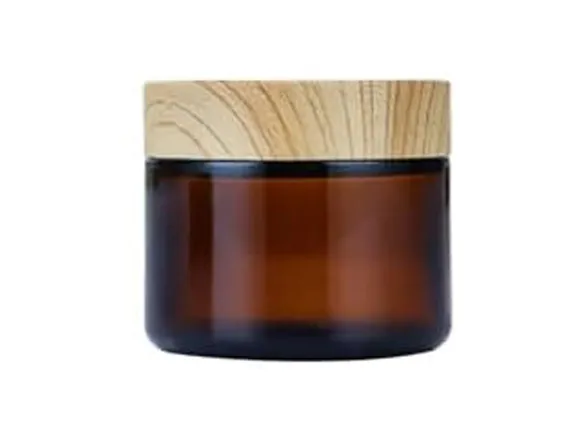
Yes, essential oils should always be stored in dark glass bottles like amber or cobalt blue to block UV light, which degrades oil molecules.
Dive Deeper: Why Glass + Darkness = Shelf Life
Here’s a quick comparison of bottle colors and their protective power:
| Bottle Type | UV Protection | Shelf Life Extension | Use Recommendation |
|---|---|---|---|
| Amber Glass | ★★★★★ | Best | ✅ Always |
| Cobalt Blue Glass | ★★★★☆ | Very Good | ✅ Preferred |
| Clear Glass | ★☆☆☆☆ | Minimal | 🚫 Avoid |
| Opaque Black Glass | ★★★★★ | Best | ✅ For luxury blends |
Plastic, even dark-colored, isn’t suitable for long-term EO storage. It degrades over time and interacts with many essential oil types.
That’s why at PauPack, we specialize in UV-protective, premium-quality glass bottles ranging from 5ml sample vials to 100ml professional-use sizes. We also offer logo printing and metallic trim collars to elevate both protection and presentation.
When should you throw away essential oils?
Hanging on to old oils? You might be risking skin irritation or ineffective blends.
You should throw away essential oils when they’ve changed in smell, color, or consistency—or if they’ve passed 3 years for top notes and 5+ years for stable base oils.
Dive Deeper: Shelf Life by Oil Type
Different essential oils oxidize at different rates:
| Oil Type | Typical Shelf Life | Notes |
|---|---|---|
| Citrus (Lemon, Orange) | 1–2 years | Oxidizes quickly, store cool |
| Herbaceous (Lavender, Tea Tree) | 2–3 years | Keep in air-tight caps |
| Wood & Resin (Sandalwood, Patchouli) | 5–8+ years | Often improves with age |
| Carrier Oils (Jojoba, Rosehip) | 6–12 months | Can go rancid, refrigerate |
Pro tip: If you use essential oils in customer products (like lotions or roll-ons), always rotate inventory using FIFO (First In, First Out) and mark batches with clear expiration dates. At PauPack, we support clients with custom bottle labeling, so your expiry info and brand story stay crystal clear.
Why did my essential oil turn black?
Color change is normal—black, however, is not.
Essential oils can turn black if contaminated by oxidation, exposure to heat/light, or if improperly stored in reactive plastic containers.
Dive Deeper: What Blackening Means
It’s rare, but when it happens, it’s usually due to:
1. Oxidation Breakdown
When light or oxygen breaks down the oil’s structure, it can react with rubber droppers or metal parts in caps, causing dark discoloration.
2. Plastic or Poor Cap Interaction
If the oil was stored in plastic or a bottle with low-quality caps, it may react with the components, turning darker over time.
3. Temperature Shock
If oils are heated or stored near high humidity, mold or unusual chemical reactions can occur—especially in blends.
Never use discolored oils, especially in skincare or diffuser applications. They could be unsafe or ineffective.
At PauPack, our packaging avoids these risks by combining lab-grade borosilicate glass, aluminum-free caps, and FDA-approved dropper inserts. Our goal? Safe, stable, and long-lasting essential oils for your brand.
Conclusion
Stored in the right conditions—airtight, dark glass, cool environment—your essential oils can stay fresh for years. But once they change scent or color, it’s time to refresh your inventory and renew your packaging strategy.