

Even in dark bottles, essential oils don’t last forever—but proper storage can dramatically extend their life and potency.
Most essential oils last 1 to 5 years in dark glass bottles, depending on the type of oil, storage conditions, and exposure to air, light, or heat.
Understanding shelf life helps you deliver products that remain safe, effective, and aromatic over time.
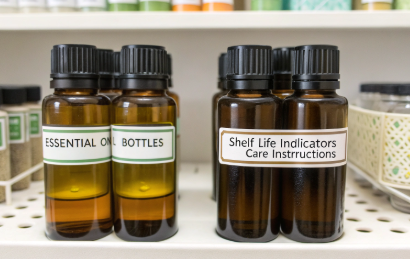

How can you tell if essential oils have gone bad?
Old oils don’t always look spoiled—but their impact fades fast.
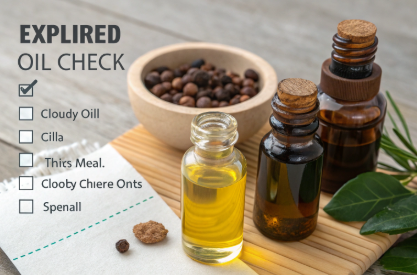
You can tell if essential oils have gone bad by changes in smell, consistency, color, or skin sensitivity. Oxidized oils often smell sharp, lose potency, or feel sticky.
Dive Deeper: Signs of Expired Oils
At PauPack, we advise brands to educate customers on freshness. Here’s what to look for:
1. Altered Aroma
-
Fresh lavender smells floral and sweet
-
Oxidized lavender smells bitter or musty
Any sudden or harsh change in scent = red flag.
2. Thickened Texture
Oils like citrus or eucalyptus should pour easily. If they feel sticky or slow, oxidation has begun.
3. Skin Reactions
Even gentle oils can cause redness or burning when expired. That’s why we recommend periodic patch testing, especially for DIY blends.
4. Separation or Cloudiness
Pure oils should stay clear and uniform. Cloudiness or layering can signal contamination or breakdown.
Pro tip: PauPack’s batch traceability and expiry date printing help your customers trust product integrity.
Should essential oils be kept in dark bottles?
Yes, absolutely—non-negotiable for quality control.
Essential oils must be kept in dark bottles to protect against UV degradation, which can shorten shelf life and compromise safety.
Dive Deeper: The Science of Light Protection
Essential oils are photosensitive, and even ambient light can start breaking down volatile compounds.
Dark Glass = Longer Life
| Bottle Type | Shelf Life Impact |
|---|---|
| Amber glass | Extends shelf life by 2–3x |
| Cobalt glass | Similar protection, better branding |
| Clear glass | Exposes oils to rapid aging |
That’s why PauPack’s default packaging recommendation includes amber or cobalt bottles with leak-proof, airtight caps. We also offer UV-coated droppers and printed boxes to add layers of protection.
When should you throw away essential oils?
Don’t hold onto oils “just in case”—expired oils are worse than no oils.
Essential oils should be discarded when they smell off, cause irritation, or are more than 1–5 years old (depending on type). Citrus and pine oils expire fastest.
Dive Deeper: Essential Oil Lifespans
Not all oils last the same. Here’s a general shelf life guide:
| Oil Type | Approx. Shelf Life |
|---|---|
| Citrus oils (lemon, orange) | 1–2 years |
| Tea Tree, Eucalyptus | 2–3 years |
| Lavender, Peppermint | 3–4 years |
| Patchouli, Sandalwood | 5+ years |
Storage Tips to Prolong Freshness
-
Keep bottles tightly sealed
-
Store in cool, dark place (ideally under 25°C / 77°F)
-
Avoid frequent air exposure (don’t leave caps off)
At PauPack, we help brands implement batch coding, expiration labels, and airtight packaging, so both you and your customers know when it’s time to replenish.
Why did my essential oil turn black?
A color change isn’t always dangerous—but it’s usually a warning.
Essential oils may turn black or dark due to oxidation, contamination, or reaction with packaging materials. This often signals that the oil is no longer safe or effective.
Dive Deeper: Causes of Discoloration
1. Oxidation
Oils exposed to air start to break down. Some citrus oils turn brown; others go dark due to chemical change.
2. Contamination
-
Water entry (from diffusers or hands)
-
Mixing with old or expired oils
-
Exposure to metal or reactive caps
3. Packaging Failure
Cheap caps or leaky droppers can let in air, moisture, or allow oil to react with the cap liner. This is common in low-grade packaging.
At PauPack, we combat this by offering:
-
High-borosilicate glass
-
Food-grade cap liners
-
Vacuum-sealed closures for lab use
We’ve seen brands lose entire product runs due to cap failures. That’s why we include compatibility testing with every custom packaging order.
Conclusion
Stored correctly in dark bottles, most essential oils stay fresh for years—but it all comes down to quality packaging and smart storage. At PauPack, we help you protect every drop.