

Essential oils are powerful, pure, and highly concentrated—but even they don’t last forever. The bottle you choose plays a big part in how long that purity lasts.
Most essential oils stay good for 1–5 years when stored in dark glass bottles away from heat, light, and air—but their exact shelf life depends on oil type and storage conditions.
At PauPack Bottles, we help essential oil brands around the world choose packaging that protects not only the oil—but their product reputation. Let’s explore the science behind essential oil shelf life and how to preserve it for the long run.

Should essential oils be kept in dark bottles?
Yes—always. It’s not a trend, it’s chemistry.
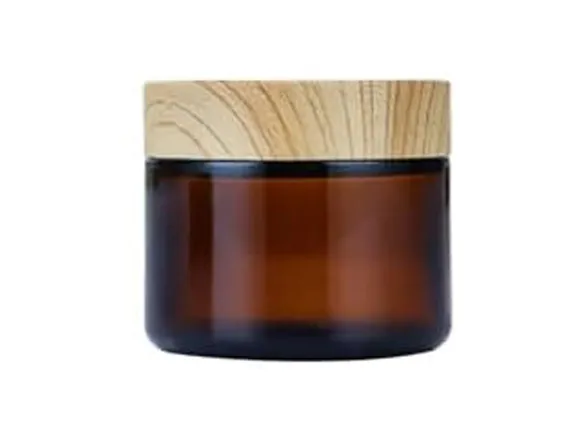
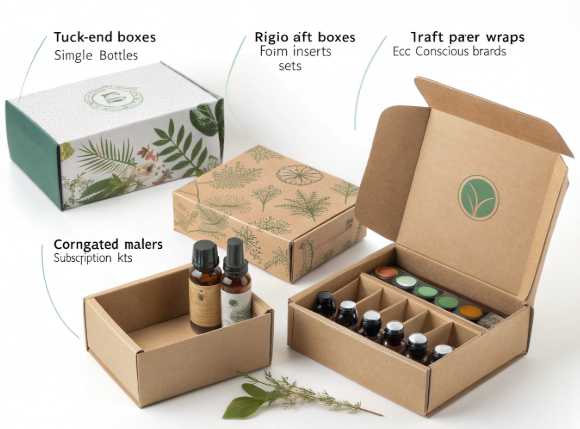
Essential oils should be stored in dark bottles (like amber or cobalt blue glass) to block UV light, which can break down their chemical structure and shorten shelf life.
Light exposure, especially ultraviolet rays, causes photo-oxidation of terpenes and esters in essential oils. This leads to:
-
Scent changes (harsh or faded notes)
-
Loss of therapeutic properties
-
Thicker texture or cloudiness
-
Risk of skin irritation from degraded compounds
Bottle Color Comparison
| Bottle Color | UV Protection | Common Use Cases |
|---|---|---|
| Amber Glass | Excellent | All essential oils, especially citrus |
| Cobalt Blue Glass | Moderate | Brand-focused packaging |
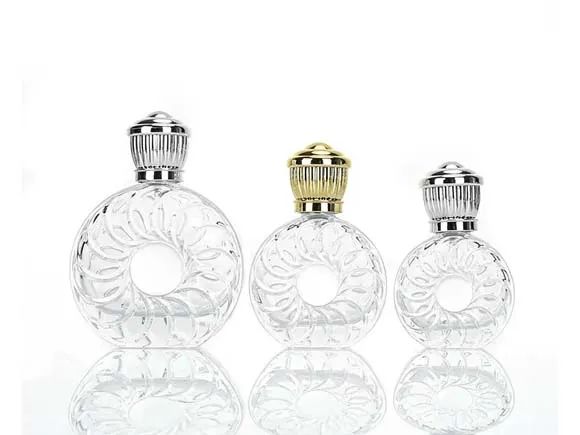
| Clear Glass | Poor | Testers, boxed sets only |
| Frosted Glass | Moderate | Paired with outer packaging |
PauPack’s top-selling EO bottles are amber droppers (5ml–30ml) and cobalt rollers (10ml), with UV-tested pigments and tight sealing caps.
How can you tell if essential oils have gone bad?
Essential oils don’t spoil like food—but they can still go bad in ways that affect quality, safety, and customer satisfaction.
You can tell an essential oil has gone bad if it smells different, has changed color, feels thicker, or irritates your skin.
Signs vary depending on the oil type and storage time.
Signs of Oxidation or Degradation
| Symptom | What It Means | Examples |
|---|---|---|
| Sharp, sour, or rancid smell | Oil has oxidized | Lemon, orange, tea tree |
| Change in color | UV exposure or aging | Yellowing lavender, darkening oils |
| Increased viscosity | Evaporation of lighter molecules | Eucalyptus turns syrupy |
| Skin irritation | Breakdown products cause sensitivity | Especially with oxidized citrus |
Tip: Perform a “skin patch test” with old oils before use. Even therapeutic oils can cause reactions once degraded.
Why did my essential oil turn black?
This question comes up surprisingly often—and it usually indicates a storage or formulation issue.
Essential oils do not naturally turn black—if they do, it could be due to contamination, UV overexposure, or chemical interaction with the bottle or dropper.
Possible Causes of Discoloration
| Cause | Description | Prevention |
|---|---|---|
| UV Damage | Darkens or burns sensitive oils | Store in amber bottles only |
| Cap Leaching (Plastic/Rubber) | Chemical leach from dropper components | Use EO-safe droppers and caps |
| Oil + Air Reaction | Oxidation thickens and darkens oil | Limit oxygen exposure with tight caps |
| Contaminated Blends | Mixing with water or base oils improperly | Always clean bottles before reuse |
If you're seeing darkened oils in your inventory, it's worth reviewing:
-
Dropper cap compatibility
-
Bottle batch UV integrity
-
Exposure during transport or retail display
At PauPack, we provide stability-tested packaging options and chemical resistance data sheets for all components.
How long do essential oils last in the bottle?
There’s no single answer—it depends on the oil.
Pure essential oils can last from 1 to 10 years depending on their botanical source, chemical profile, and storage—citrus oils expire fastest, while wood and resin oils last longest.
Average Shelf Life by Oil Category
| Oil Type | Expected Shelf Life | Storage Recommendation |
|---|---|---|
| Citrus (lemon, bergamot) | 1–2 years | Amber bottle, refrigerate if possible |
| Herbs (lavender, rosemary) | 3–4 years | Store cool, tightly sealed |
| Flowers (ylang-ylang, rose) | 3–5 years | Avoid high temps and humidity |
| Resins (frankincense, myrrh) | 5–7+ years | Highly stable in glass |
| Woods (sandalwood, cedar) | 6–10+ years | Store in thick amber or cobalt glass |
PauPack Packaging Tip
For oils with shorter shelf life, we recommend:
-
5ml–10ml small-batch packaging to prevent waste
-
Aluminum foil-lined caps to reduce oxidation
-
Printed expiration dates to educate end users
If your essential oil line includes volatile oils like grapefruit or lime, packaging alone won't solve shelf life—but it’s your first and best defense.
Conclusion
Dark bottles don’t just “look natural”—they protect the natural. From day one to the last drop, the right packaging preserves your essential oils and your brand’s integrity.
Choose amber or cobalt glass, avoid exposure, and your oils—and your customers—will thank you.