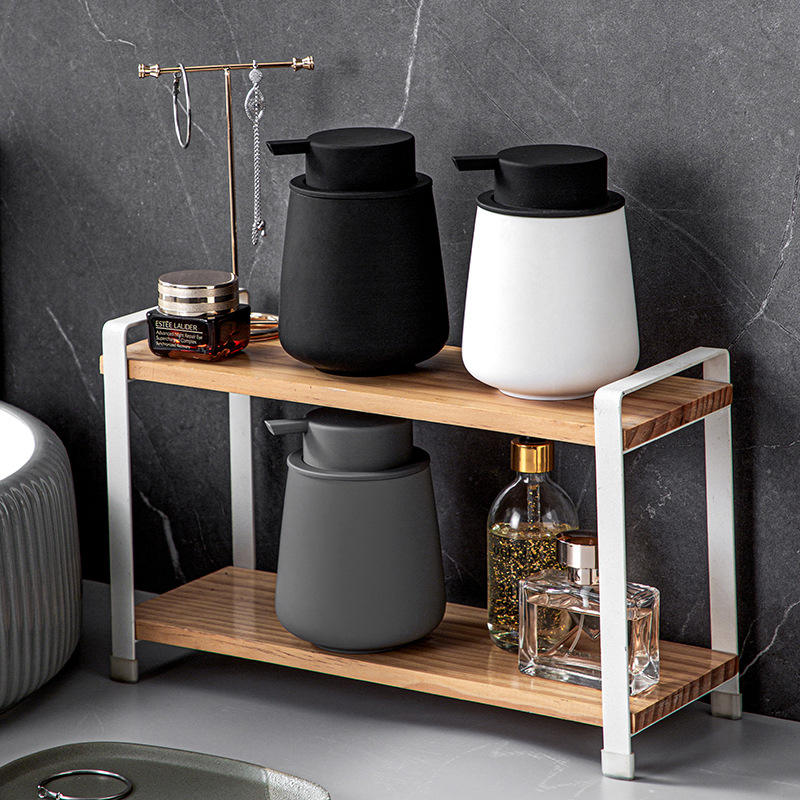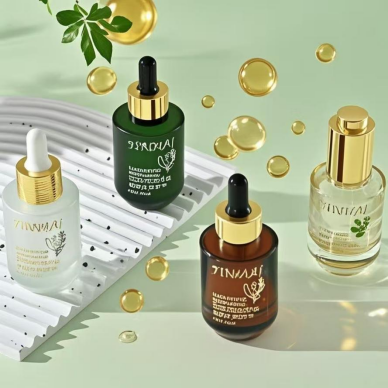


Creating custom glass packaging can elevate your product branding while contributing to eco-friendly packaging solutions. Custom glass packaging has become a popular choice among many businesses due to its aesthetic appeal, durability, and its potential to significantly impact consumer purchasing behaviors. In this guide, we will dive into how you can incorporate this elegant packaging option into your product line, the rising trends in sustainable packaging, and how to choose the right designer glass packaging companies for your needs.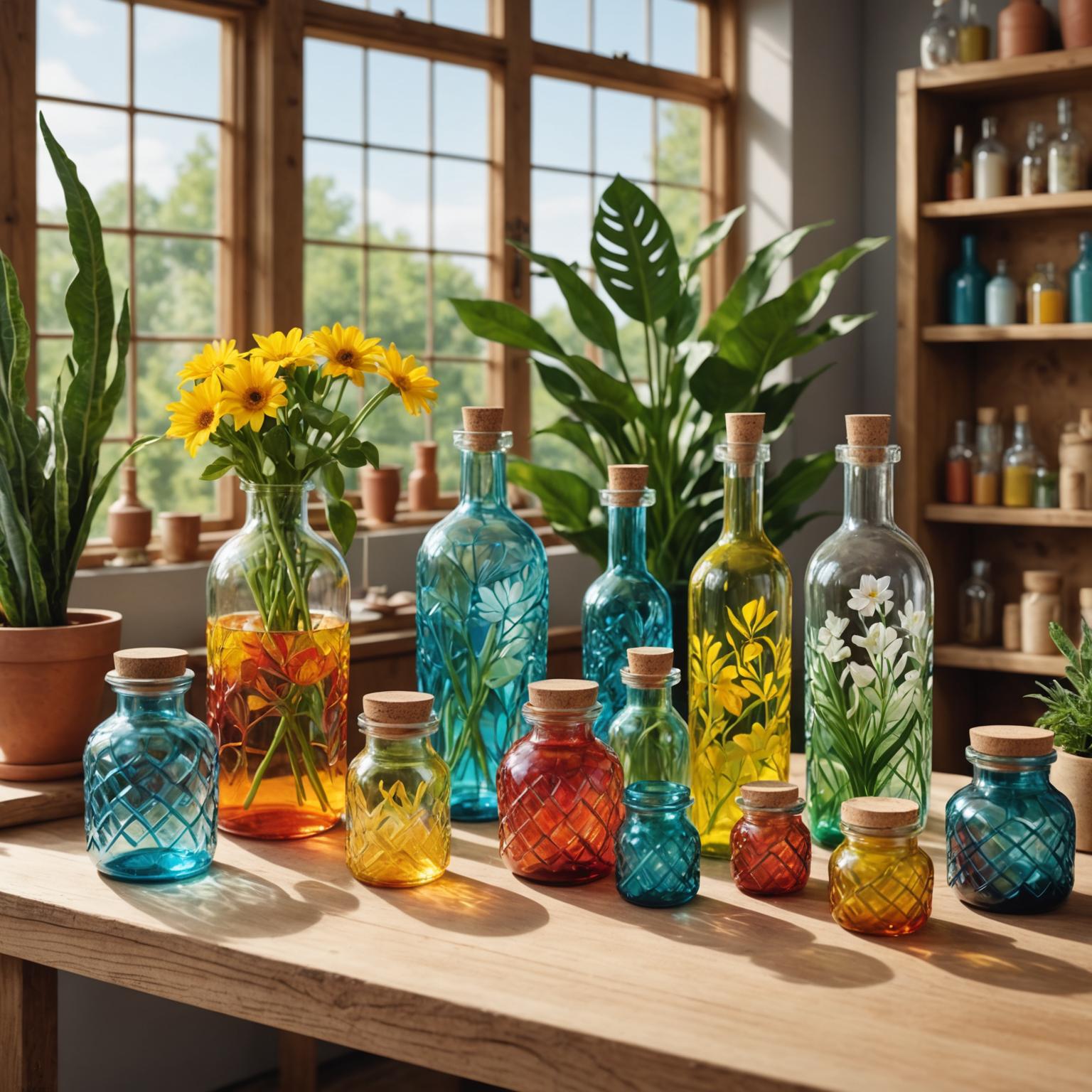
Understanding the Appeal of Custom Glass Packaging
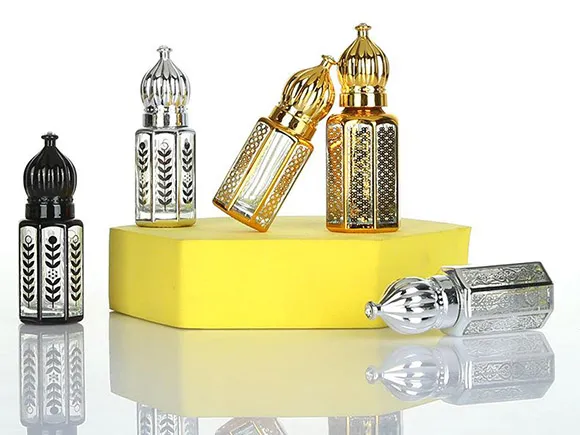
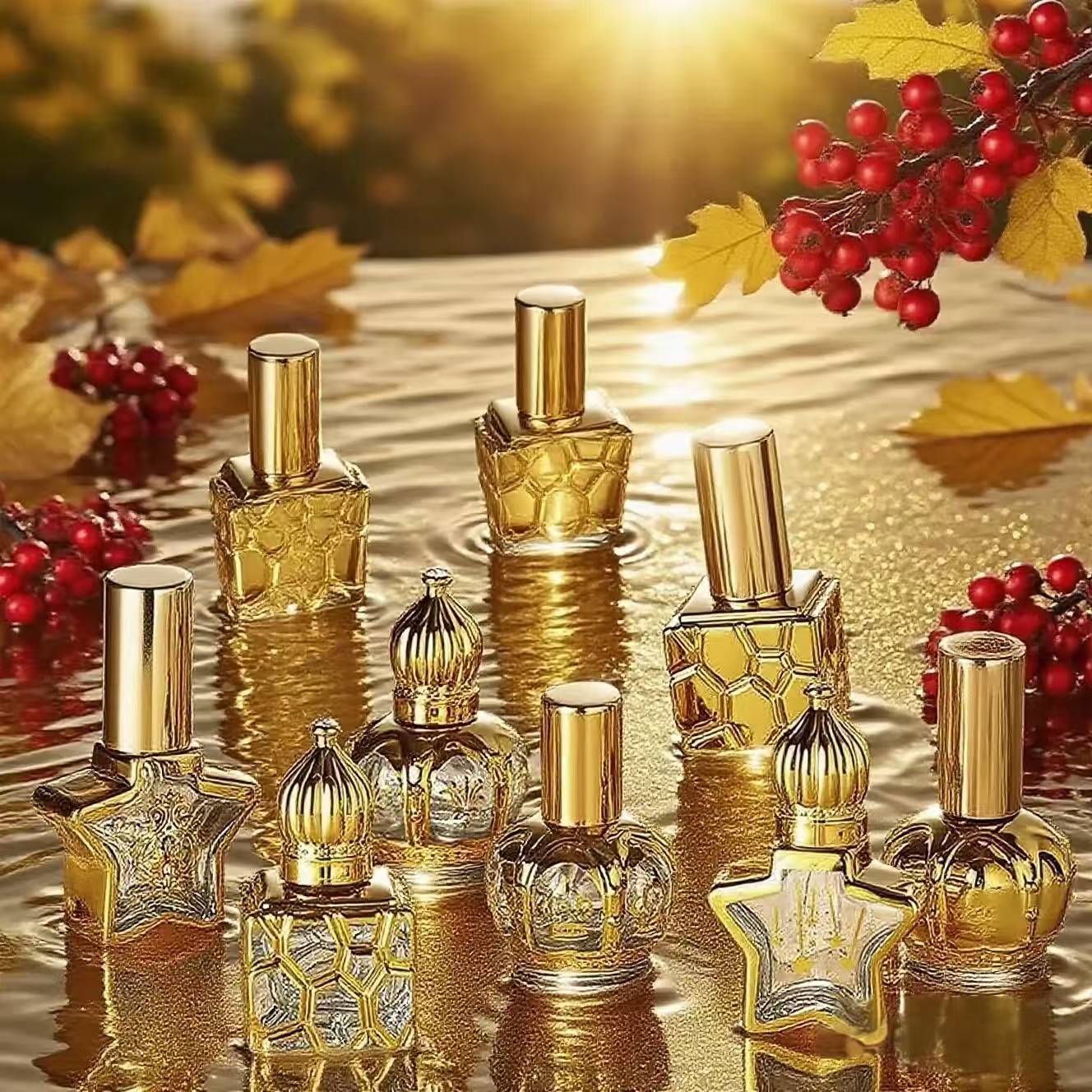
Glass packaging is celebrated for its timeless charm and premium quality. Custom glass packaging, in particular, allows you to align your product’s external appearance with its brand identity. With the ability to design shapes, sizes, and intricate patterns, it gives businesses the flexibility to stand out in crowded markets.
When we talk about glass packaging, it’s not just about looks. Glass is a naturally sustainable material, as it’s 100% recyclable without loss of quality. Choosing glass packaging contributes to reducing waste and can appeal to environmentally conscious consumers. In industries like beauty, beverages, and health, custom glass packaging adds a touch of luxury while ensuring your product remains environmentally responsible.
Steps to Create the Perfect Custom Glass Packaging
1. **Define Your Brand’s Vision and Purpose**: Start by identifying what your brand stands for. Think of your target audience and the message you want your packaging to convey. Is it minimalistic sophistication, eco-conscious branding, or vibrant creativity?
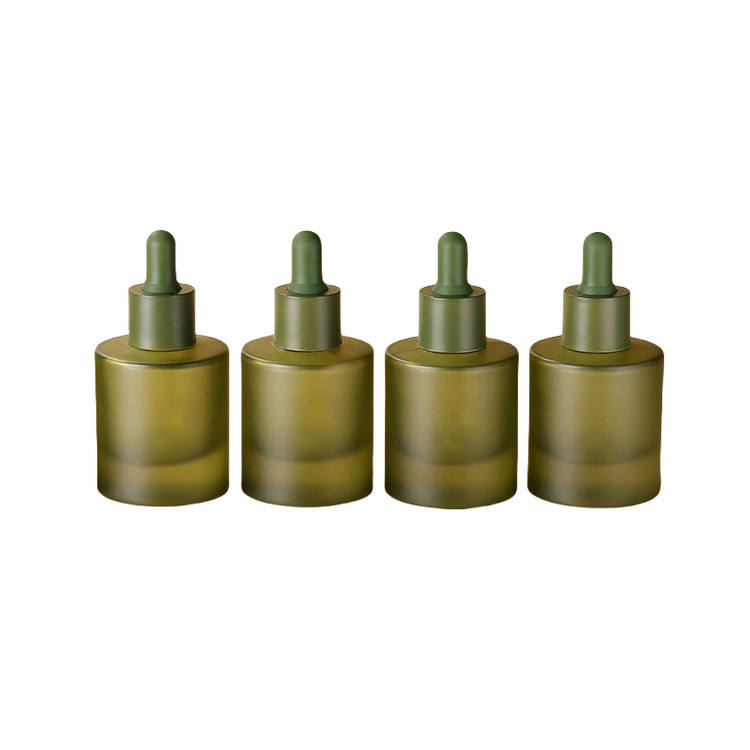
2. **Choose Shapes and Styles That Represent Your Product**: Custom glass packaging gives you the freedom to create unique shapes that resonate with your brand. For example, a cylindrical bottle might work for premium beauty oils, while a square jar could add charm to artisanal food products.
3. **Incorporate Sustainable Practices**: Sustainability is no longer a secondary concern. Trends in sustainable packaging indicate that consumers are actively seeking brands that take intentional steps toward eco-friendly practices. Reusable glass jars or bottles that can be recycled indefinitely add value in the eyes of the customer.
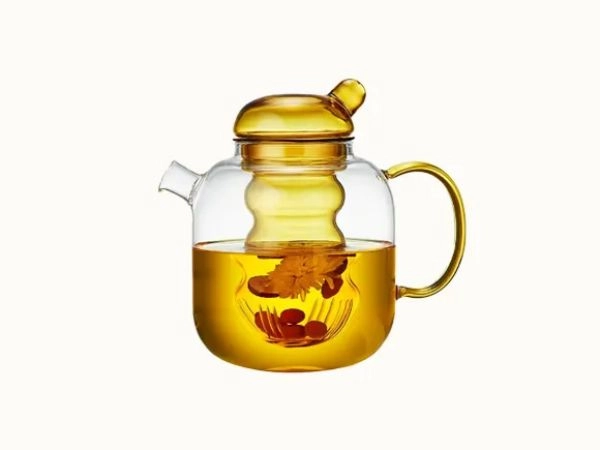
4. **Experiment With Decorative Features**: Beyond the structural design, the embellishments you add can make a difference. Techniques such as frosted textures, colored glass, engraving, and metallic accents can give your packaging a premium and distinct appearance.
5. **Collaborate With Designers**: Partner with designer glass packaging companies that specialize in creating bespoke solutions. These experts understand the nuances of the material and how to bring your vision to life while ensuring functionality and visual appeal.
Trends in Sustainable Packaging
As sustainability continues to dominate the industry, companies must stay updated on packaging practices that combine functionality with environmental responsibility. Below are some notable trends in sustainable packaging:
1. **Reusable Packaging**: Businesses are increasingly designing custom glass packaging that can be repurposed at home. Beverages in glass bottles that can later be reused as kitchen containers or candles in sturdy glass jars are examples of this sustainable strategy.
2. **Lightweight Glass**: Producing lighter glass packaging reduces energy consumption during manufacturing and transportation. It not only minimizes carbon footprint but also lowers costs associated with distribution.
3. **Minimalist Labeling**: Eco-conscious packaging trends lean towards minimalistic branding, which involves understated labels or even laser-engraved labels directly onto the glass. This reduces the need for external paper or plastic wrappers.
4. **Eco-friendly Colors and Inks**: Natural and water-based inks are being used for printed designs on glass to avoid harmful chemicals and make the recycling process easier.
5. **Smart Packaging**: The tech-savvy sector of the packaging industry is embracing QR codes printed on glass packaging. These codes offer additional product information digitally, eliminating the need for bulky product labels.
How to Choose Designer Glass Packaging Companies
The role of designer glass packaging companies is vital in translating your ideas into actual, market-ready products. Selecting the right partner for your custom glass packaging needs can require some due diligence. Here’s what to consider:
1. **Portfolio and Experience**: Review the company’s past projects to ensure they have experience with materials, designs, and industries similar to your needs.
2. **Sustainability Practices**: Assess whether the company operates inline with sustainable trends. Do they source recycled glass, or do they implement energy-saving techniques during manufacturing?
3. **Customization and Design Capability**: Check the level of customization they offer. Are they flexible in creating personalized solutions? Strong design teams are crucial for achieving unique packaging that combines form and function.
4. **Quality Assurance**: Ensure that the company adheres to industry safety and quality standards. This is essential for packaging food, beverages, or anything requiring durability and safety.
5. **Budget and Lead Time**: Besides creative output, take into account the company’s pricing structure and lead times. Customization often comes with higher costs and extended production periods, so plan accordingly.
Benefits of Investing in Custom Glass Packaging
Whether you are revamping an existing product line or launching a new one, custom glass packaging offers several advantages:
1. **Enhanced Branding**: Unique, high-quality packaging sets your product apart on retail shelves and fosters brand recognition.
2. **Eco-Friendliness**: Environmentally conscious consumers appreciate glass packaging for its recyclability and lack of harmful chemicals compared to plastic alternatives.
3. **Preservation of Product Quality**: Glass is non-porous and impermeable, ensuring product freshness and preventing contamination. It’s commonly favored for food and beverages because it protects contents without altering taste or quality.
4. **Appeals to Premium Market Segments**: Glass packaging is often associated with exclusivity and luxury, making it suitable for high-end or boutique products.
Conclusion
Incorporating custom glass packaging into your product strategy is a step toward enhancing both aesthetics and sustainability. From keeping up with trends in sustainable packaging to engaging designer glass packaging companies, every element of the process needs careful attention. Consumers are increasingly drawn to brands that make sustainable and standout choices—custom glass packaging allows you to do both. Keep in mind your brand messaging, target audience, and sustainability goals while designing packaging that truly represents your product and values.