

Understanding the Cosmetic Industry
The cosmetic industry has grown exponentially over the years, becoming a multi-billion-dollar global market. With the main focus on beauty and self-care, this industry has played a pivotal role in shaping consumer trends and preferences. From skincare to makeup and hair care products, the cosmetic industry meets the demands of diverse consumer needs while continually innovating to stay ahead of the competition. One key aspect of the industry that can’t be overlooked is its use of cosmetic packaging, which is integral to brand identity and customer satisfaction.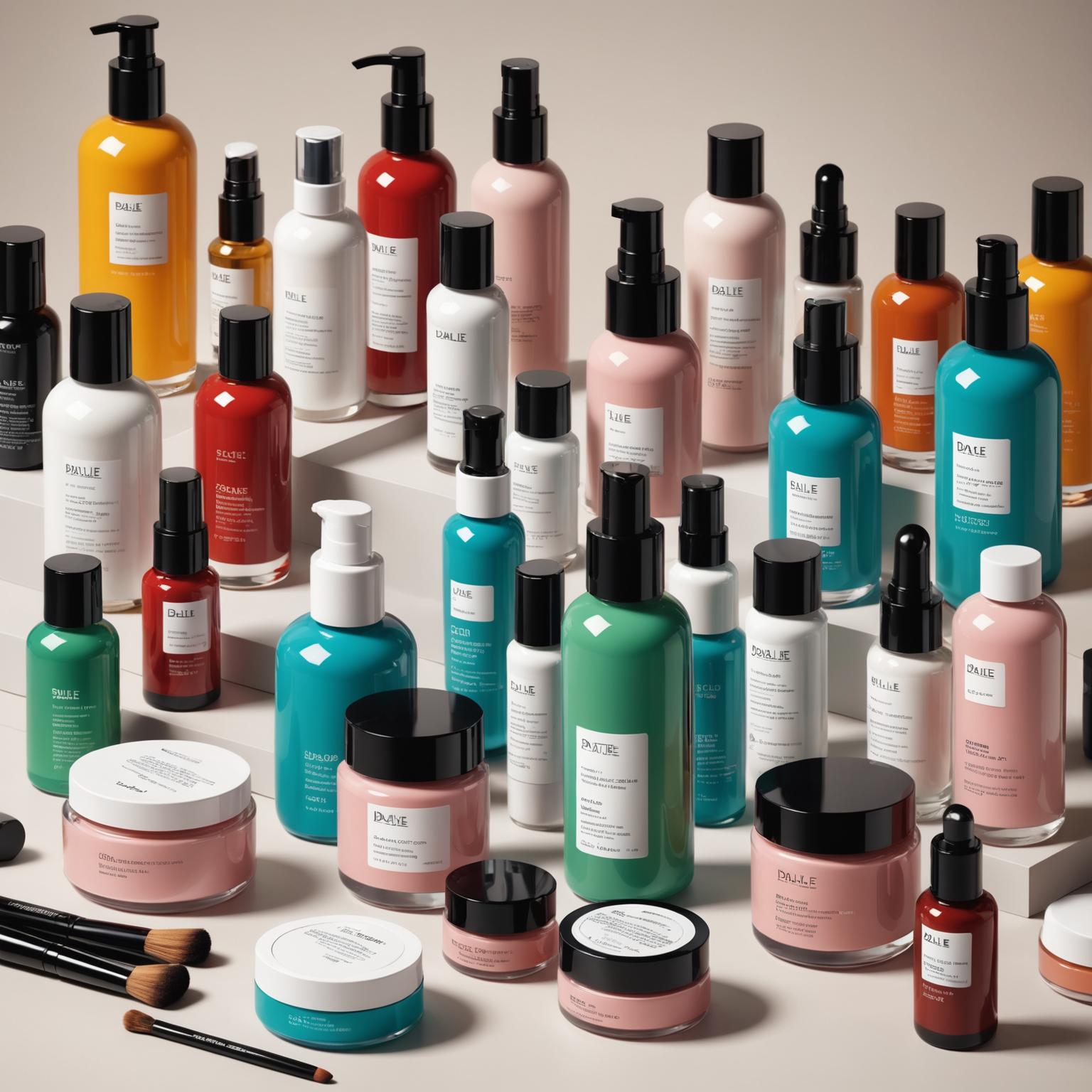
Packaging not only ensures product safety and hygiene but also serves as a critical marketing tool. Consumers are often drawn to sleek and aesthetically pleasing packaging—a factor that influences purchasing decisions. As the industry grows, so does the demand for effective, attractive, and environmentally friendly packaging solutions.
The Role of Cosmetic Packaging in the Industry
Cosmetic packaging is an indispensable element in the beauty industry. It serves multiple purposes: protecting the product, providing crucial information, and enhancing the overall customer experience. Packaging materials range from plastic to glass, with each material chosen based on the specific needs of the product.
In recent years, trends have shifted toward the use of glass packaging for premium products. Glass is not only elegant but also functional, as it is less likely to react with chemical components in the cosmetics. Additionally, glass is recyclable, making it an appealing choice for environmentally conscious brands. This shift highlights the industry's growing emphasis on sustainability and reducing its environmental footprint.
Brands increasingly experiment with innovative packaging designs that highlight functionality and user convenience. For example, sustainable packaging options like refillable containers are becoming more prevalent. These options show that companies are not just focused on profits but are also committed to addressing pressing environmental concerns.
The Transition Toward Sustainable Packaging
The cosmetic industry is undergoing a significant transformation as consumers demand more eco-friendly solutions. Sustainable packaging has emerged as a major trend, reshaping brand strategies and consumer expectations. This shift is driven by growing awareness of the environmental impact of plastic waste and the need for companies to adopt greener practices.
Sustainable packaging includes options such as biodegradable materials, recycled plastics, and reusable containers. For example, some brands focus exclusively on creating refillable systems to reduce waste. This innovation not only minimizes the environmental impact but also fosters loyalty among eco-conscious customers.
Glass packaging is a standout option in the sustainability movement. Compared to plastic, its ability to be recycled multiple times without degradation makes it a preferred material. Moreover, its elegant aesthetic aligns with the industry's aim to market luxury products. By leveraging glass packaging, companies demonstrate their dedication to quality and environmental consciousness.
How Consumers Influence the Cosmetic Industry
Modern consumers are more informed than ever before. They care about ethics, sustainability, and transparency. This shift in consumer behavior has compelled cosmetic companies to pay closer attention to their packaging materials and processes. Companies that fail to meet these expectations risk losing their competitive edge.
According to studies, around 70% of consumers consider sustainable packaging important when making a purchase. This means that cosmetic brands that prioritize eco-friendly solutions are likely to experience increased customer loyalty. Even smaller companies are beginning to put sustainability at the core of their packaging strategy, leveling the playing field with larger competitors.
In addition, aligning packaging designs with a brand's core values and mission has become essential. A product's packaging can now convey brand stories, ethical practices, and sustainability efforts, giving consumers the information they need to make mindful choices.
Future Trends in the Cosmetic Industry
The cosmetic industry is constantly evolving, and packaging innovations will undoubtedly play a significant role in its future. More companies are expected to invest in sustainable packaging solutions, driven by advancements in technology and increasing consumer demand for environmentally friendly products.
Revolutionary designs such as smart packaging, which uses digital elements to interact with users, are also on the rise. Such technology might include QR codes that provide users with detailed product information, usage tutorials, and recycling instructions. The integration of technology into packaging aligns with the industry's aim to enhance user experience and improve sustainability.
Another promising trend is the development of bio-based packaging materials derived from natural, renewable resources. Such materials offer a low-carbon alternative to traditional plastics, making them ideal for brands committed to reducing their ecological impact.
Conclusion
The cosmetic industry is thriving, with significant potential to foster innovation, creativity, and sustainability. From the introduction of glass packaging to the widespread adoption of sustainable solutions, companies are rethinking their strategies to better meet consumer demands and environmental challenges. As the industry evolves, brands that prioritize eco-conscious practices and high-quality packaging solutions will likely see the greatest success. Ultimately, the focus on packaging in the cosmetic industry underscores its importance as a crucial element in delivering value to customers while addressing the growing need for sustainability.