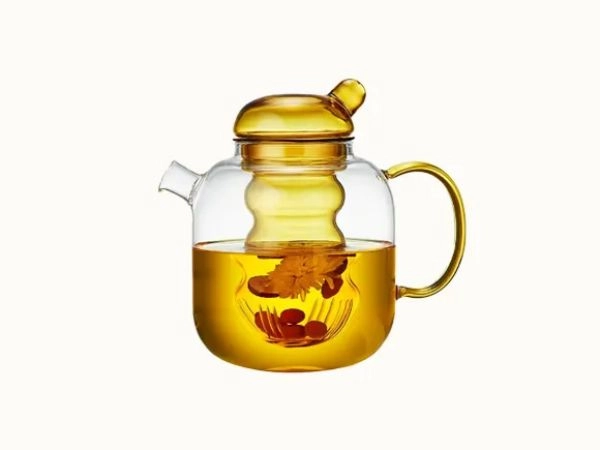


Choosing the Right Bottle: Comparison

When it comes to bottle packaging, understanding the options available can make a big difference for both personal use and broader sustainability goals. Today, we're going to explore the pros and cons of two of the most commonly used materials, plastic bottles and glass bottles. If you're interested in sustainability, aesthetic design, or practicality, this guide will help you find your options and introduce an innovative example – the Scandinavian carafe collection.
The case of plastic bottles
Plastic bottles have long been a staple in our daily lives. Because they are lightweight and shatterproof, they offer unmatched convenience, making them ideal for mobile use or weight-conscious situations such as outdoor adventures or travel. In addition, the cost of manufacturing plastic bottles is usually lower, which means that the price is more affordable for consumers.
However, a pressing issue for plastic bottles is their impact on the environment. While some plastic bottles are made using recyclable materials, many end up in landfills or oceans, resulting in environmental degradation. As awareness of sustainable packaging continues to grow, today's consumers are critically evaluating the long-term effects of choosing plastics. Despite the promise of advances in biodegradable plastics, the adoption and effectiveness of these solutions is a work in progress.
The appeal of glass bottles
Glass bottles, on the other hand, are praised for their premium appearance, eco-friendly footprint, and durability. Unlike plastic, glass does not leach chemicals into its contents, preserving the taste and purity of beverages or liquids. This makes glass bottles an excellent choice for storing water, oil, and even artisan beverages. From an environmental point of view, glass is 100% recyclable and can be reused indefinitely without loss of quality, making it a strong candidate for sustainable packaging.
The disadvantages of glass are its fragility and weight. Glass bottles can break on impact, while their heavier composition makes them less portable. However, for kitchen and restaurant uses that emphasize aesthetics and sophistication, glass bottles often outperform plastic bottles.
Why sustainable packaging is important
Today, consumers are more inclined than ever to opt for sustainable packaging. This shift is driven by the desire to reduce waste, combat climate change, and reduce the ecological footprint. Glass bottles are frontrunners in this conversation due to their reusability and low environmental impact. Glass packaging is paired with renewable materials such as bamboo, making it a sustainable and stylish option.
Enter the Scandinavian Glass Carafe collection, which is a great example of how thoughtful design and sustainability can come together to create a product that is both functional and aesthetically pleasing. With its crystal clear glass body and natural bamboo lid, this carafe collection emphasizes the impact of choosing eco-friendly materials. Such an option not only elevates your kitchen or dining table, but also promotes broader sustainability efforts.
Discover the Scandinavian carafe collection
The Scandinavian carafe collection represents the essence of thoughtful product design and sustainable materials. Its minimalist aesthetic makes it a seamless addition to a modern or contemporary kitchen, adding a touch of elegance to every use.
The glass bottle is made of high-quality glass, which ensures that the purity of the drink is not contaminated. Whether it's soaking water, artisanal oils or craft cocktails, the clarity of the glass enhances the presentation of your drink. Complementing the glass design is a natural bamboo cover, sealed to maintain freshness while exuding an eco-chic charm. Bamboo, as a renewable material, not only enhances the sustainability of the product, but also brings a warm aesthetic contrast to the smoothness of the glass.
In addition, the collection comes with a bamboo tray with custom slots to hold the carafe securely in place. Versatile and stylish, this tray doubles as a service platform that is both practical and aesthetically pleasing. The Scandinavian carafe range is available in three different sizes – small, medium and large – and can be adapted to suit your needs, whether it's for a countertop display for soaking beverages or the centerpiece of a dinner décor.
Advantages of glass and bamboo over plastic
The Scandinavian glass bottle range exemplifies a shift from traditional plastic packaging to more sustainable options such as glass and bamboo. Here are a few reasons why this shift makes sense:
1. Health & Safety: Glass is non-porous and does not absorb substances, ensuring that your food or drink is not contaminated.
2. Sustainability: Bamboo is a fast-renewable resource, and glass is infinitely recyclable, in line with an environmentally conscious lifestyle.
3. Aesthetics: Glass and bamboo create a sophisticated, natural look that plastic simply can't replicate.
4. Long service life: When properly cared for, glass and bamboo products can last much longer than plastic products.
How to make sustainable choices
When deciding which type of bottle packaging is right for your lifestyle or business needs, it's helpful to balance functionality, cost, and environmental impact. Ask yourself these key questions:
1. What is the bottle used for? For ease of use on the go, plastic may be sufficient, but for home use, glass offers elegance.
2. How important is sustainability in your decision-making? For long-term, eco-friendly packaging, glass and bamboo are more responsible choices.
3. Will you reuse the product? Reusability saves money and reduces waste over time, making glass an excellent investment.
By choosing a product like the Scandinavian Glass Carafe collection, you're not only choosing exceptional functionality and aesthetic appeal, but you're also supporting a sustainable future. Striking the perfect balance between durability, elegance and practicality, these carafes prove that eco-friendly products are both aesthetically pleasing and purposeful.
Final thoughts
The choice between plastic bottles, glass bottles, and other forms of packaging comes down to your priorities. Plastic bottles offer unparalleled convenience, while glass bottles offer a sustainable and elegant alternative that's hard to ignore. Products such as the Scandinavian carafe range prove that environmentally conscious decisions don't have to compromise on style or practicality.
As the world moves towards reducing waste and adopting sustainable packaging, making smart choices in everyday life can make a meaningful impact. Embrace this shift — choose glass, bamboo, and other sustainable materials that enhance your lifestyle while leaving a positive impact on the environment.