

Same shelf, similar scent—but not always the same substance.
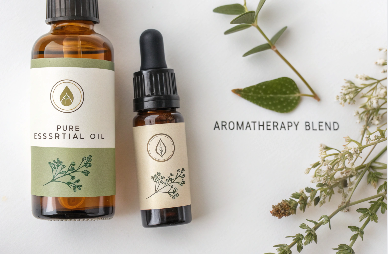
No, aromatherapy oils and essential oils are not always the same. Essential oils are pure plant extracts, while aromatherapy oils may be diluted or synthetic blends designed for scent rather than therapeutic use.
This distinction is especially important for beauty brands, wellness retailers, and aromatherapy creators who need to ensure product safety, efficacy, and customer clarity. While both types of oils are used in products that promote relaxation, wellness, and skincare, their composition, sourcing, and applications can be dramatically different. Let’s dive deep into how to differentiate these oils and why it matters for your business and your buyers.

Can I use aromatherapy oils on my skin?
Not all aromatherapy oils are skin-friendly—some may harm more than heal.
You can only use aromatherapy oils on your skin if they’re clearly labeled as safe for topical use and diluted appropriately. Pure essential oils must always be diluted before skin application.
Dive Deeper: Know What’s in the Bottle Before Applying
The term “aromatherapy oil” is broad—it may refer to:
-
A 100% pure essential oil
-
A pre-diluted blend of EO and a carrier oil (like jojoba)
-
A synthetic fragrance oil designed only for scent diffusion
Here’s a quick way to differentiate:
| Label Says | What It Means | Skin-Safe? |
|---|---|---|
| “100% Pure Essential Oil” | Pure plant extract; undiluted | ✅ Yes (if diluted first) |
| “Aromatherapy Blend” | EO + carrier oil, possibly safe for skin | ✅ Only if labeled as such |
| “Fragrance Oil” | Synthetic compounds for scent only | 🚫 No |
| “Diffuser Oil” | Often contains solvents, not safe for skin | 🚫 No |
At PauPack, we encourage wellness brands to clearly label use instructions and dilution percentages. We offer roller bottles for pre-diluted topical oils and dropper bottles for blends designed for massage or direct skin application, helping your customers apply your product safely.
What are the disadvantages of aromatherapy?
Soothing scents are powerful—but not without risks.
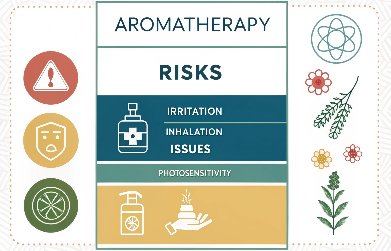
Disadvantages of aromatherapy include allergic reactions, skin sensitivity, respiratory irritation, and confusion caused by mislabeled or synthetic oils.
Dive Deeper: When Aromatherapy Can Go Wrong
While aromatherapy can offer many wellness benefits, improper use or misleading product labels can cause real issues. Common drawbacks include:
1. Skin Irritation
Undiluted or strong oils (like cinnamon, oregano, or clove) can cause burning or rashes. Even diluted oils can irritate sensitive skin types.
2. Respiratory Issues
Essential oils like eucalyptus or peppermint may worsen conditions like asthma or allergies when used in diffusers without ventilation.
3. Photosensitivity
Oils such as bergamot and lemon can increase sun sensitivity, potentially causing burns or pigmentation if applied to skin before sun exposure.
4. Synthetic Oils
Products labeled “aromatherapy” may contain artificial fragrance oils that offer scent but no therapeutic value—and may trigger headaches or hormone disruption in sensitive users.
For brands, the solution is clear labeling, responsible formulation, and quality assurance. At PauPack, we help brands by providing custom labeling and packaging design services that reflect accurate usage, storage, and safety instructions.
Can you use aromatherapy essential oils?
Essential oils labeled for aromatherapy can offer therapeutic value—if they’re the real deal.
Yes, aromatherapy essential oils can be used safely in diffusers, massage, or skincare—provided they are high-quality, properly diluted, and sourced responsibly.
Dive Deeper: When It’s Safe to Use Aromatherapy Oils
It comes down to three things: purity, purpose, and packaging.
1. Purity
True essential oils are steam-distilled or cold-pressed from plant material and should contain no synthetic additives. Always check for GC/MS test results or supplier transparency.
2. Purpose
Use oils in the appropriate setting:
-
Inhalation for emotional support (diffuser, tissue, personal inhaler)
-
Topical for muscle relief or skincare (diluted with carrier oils)
-
Bath for full-body relaxation (combined with dispersant like milk or salt)
3. Packaging
Oils should be stored in amber or cobalt glass bottles with sealed caps to protect from UV light and oxidation. PauPack offers such packaging, complete with dropper, roller, and spray head options designed specifically for aromatherapy use.
When used correctly, essential oils can elevate mood, improve sleep, and even ease discomfort—making them a powerful addition to any wellness or beauty product line.
Are Aromatech oils safe?
Brand-name oils don’t always mean body-safe.
Aromatech oils are generally safe for use in commercial scenting systems and diffusers, but they are not intended for skin application or ingestion due to synthetic components.
Dive Deeper: Understanding the Use Case for Aroma Oils
Aromatech is a reputable brand for ambient scent solutions, often used in:
-
Hotels and retail environments
-
HVAC and aroma diffusion systems
-
Commercial and home diffusers
However, their oils often contain synthetic aroma compounds designed to maximize scent throw and consistency—not therapeutic benefit.
Should You Use Them in Personal Care Products?
🚫 No. These oils:
-
Are not approved for topical use
-
May cause allergic reactions or hormone disruption
-
Do not deliver true therapeutic effects like plant-derived essential oils
For product-based wellness brands, it's essential to use certified, cosmetic-grade essential oils instead. PauPack supports this by supplying brands with packaging made from glass certified for essential oil compatibility, as well as sprayers and rollers specifically engineered to resist oil degradation.
Conclusion
Aromatherapy oils and essential oils are not interchangeable—understanding the difference is essential for product safety, customer trust, and brand integrity. Pure essential oils serve both therapeutic and cosmetic functions, while many aromatherapy oils are diluted or synthetic, suitable only for scent-based experiences. Always read the label, respect usage guidelines, and when in doubt—ask your supplier.