

There’s a reason why you’ll rarely see almond oil in plastic containers—it’s not just about aesthetics.
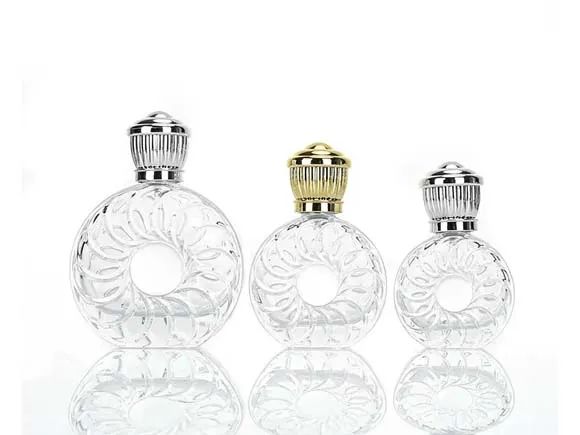
Almond oil is typically packaged in glass bottles to preserve its freshness, prevent chemical leaching, and protect it from light and oxidation.
Let’s explore why glass is the gold standard for almond oil, especially in beauty and wellness markets.

Can I store almond oil in a plastic bottle?
Plastic is cheaper and lighter—but it comes with real risks when storing natural oils.
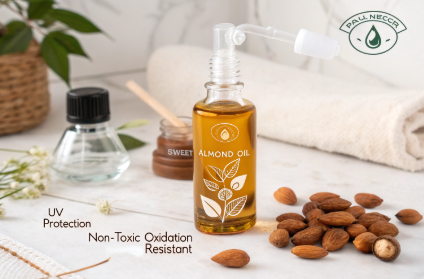
While it’s technically possible to store almond oil in certain plastics (like HDPE), it’s not recommended long-term due to risk of leaching, odor absorption, and reduced shelf life.
Dive Deeper: Plastic vs. Glass for Oil Storage
Almond oil is a natural, nutrient-rich carrier oil. It’s sensitive to heat, light, and air—and especially reactive with low-quality plastics.
🔬 Problems with Plastic:
-
Chemical leaching: Some plastics release toxins when exposed to oils
-
Absorbs aroma: Can pick up off-smells or lose almond scent
-
Degrades over time: Sunlight and heat cause plastic to break down
Avoid These Plastics:
-
PET: Degrades with heat
-
PVC: May release harmful phthalates
Acceptable Alternatives:
-
HDPE or PP (for temporary, commercial bulk use)
-
Still, glass is preferred for final consumer packaging
At PauPack, we help brands transition from plastic to amber glass bottles, improving both product safety and perceived value. We also offer certified food-grade inner coatings for bulk packaging when glass isn’t feasible.
Why are essential oils in glass bottles?
Essential oils aren’t just delicate—they’re powerful enough to break down many plastics.
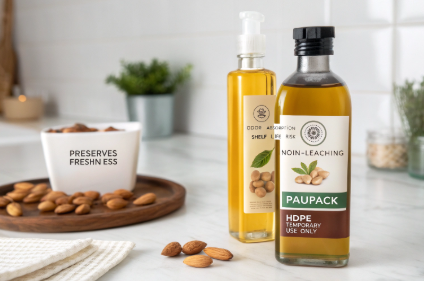
Essential oils are stored in glass because they’re highly concentrated and can degrade plastic, contaminate the product, or evaporate if not properly sealed.
Dive Deeper: The Science Behind the Glass
Essential Oil Traits:
-
Volatile: Evaporate quickly
-
Reactive: Interact with synthetic materials like plastics
-
Photosensitive: Break down under UV light
That’s why nearly every essential oil (and blends containing them, like almond-infused oils) are bottled in amber or cobalt glass:
| Reason | Benefit |
|---|---|
| Chemical stability | Prevents oil from interacting with the container |
| Aroma preservation | Keeps scent pure and untainted |
| UV protection | Amber bottles block 97% of UV rays |
At PauPack, our amber glass dropper bottles are designed specifically for essential oil blends, including almond oil. With tamper-evident caps and precision droppers, they keep the product safe, stable, and premium-looking.
Does almond oil need to be in a dark bottle?
Color matters—and not just for branding.
Yes, almond oil should ideally be stored in dark (amber or green) bottles to protect it from UV light, which speeds up rancidity.
Dive Deeper: Why Light Is Your Oil’s Worst Enemy
Like other carrier oils, almond oil contains fatty acids that oxidize quickly when exposed to heat or sunlight. This not only dulls its benefits but also gives it a sour, off-putting smell.
How Light Affects Oil:
-
Breaks down nutrients like vitamin E
-
Speeds up the formation of free radicals
-
Alters oil’s color and scent
Recommended Bottles:
-
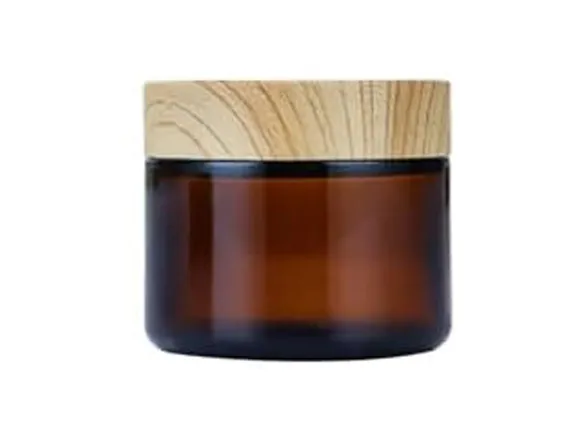
Amber glass: Best all-around protection
-
Cobalt blue: Stylish and blocks some UV
-
Green glass: Less effective than amber, but still better than clear
At PauPack, we manufacture almond oil bottles with UV-filtering glass and can print full-wrap labels that further block light. We also offer boxes and outer packaging to keep oils stable during shipping.
How can you tell if almond oil is pure?
Purity is key—especially for skincare use. But labels can be misleading.
You can identify pure almond oil by checking the label for ingredients, performing a blot test, and observing scent, texture, and oxidation over time.
Dive Deeper: Testing Almond Oil Purity
1. Read the Label
-
Should say 100% Pure Sweet Almond Oil
-
Look for the Latin name: Prunus Amygdalus Dulcis
-
Avoid “fragrance oil,” “perfumed,” or “blended”
2. Smell and Feel
-
Pure almond oil has a faint, nutty scent
-
Should feel light, absorb quickly, and leave no greasy residue
3. Blot Paper Test
-
Drop a small amount on white paper
-
After drying, a minimal oil ring suggests purity (vs. lingering grease from added oils)
4. Oxidation Check
-
If the oil smells rancid within 3–6 months, it may not be properly stored or pure
| Test | What It Detects | Result for Pure Almond Oil |
|---|---|---|
| Label scan | Additives or blends | 1 ingredient: Prunus Amygdalus Dulcis |
| Blot paper | Carrier dilution | Minimal staining |
| Scent | Fragrance additives | Light nutty scent, no perfume |
| Freeze test | Water or alcohol base | Should not freeze solid |
At PauPack, we support beauty brands in verifying oil purity with batch testing support, COA documentation, and airtight glass packaging to maintain product integrity across logistics and shelf life.
Conclusion
Almond oil comes in glass bottles for a reason—glass protects purity, prevents contamination, and preserves quality. It's the smart choice for anyone who values long-lasting, authentic oil performance.