

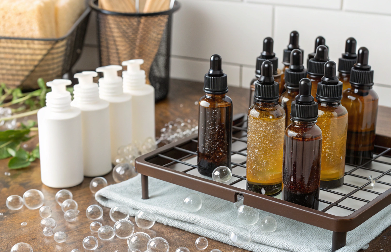
One light beam is all it takes to break the balance of a delicate formula.
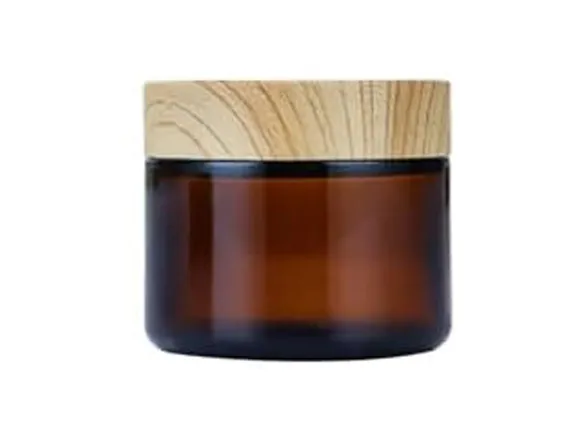
Essential oils are stored in dark glass bottles to protect them from ultraviolet (UV) light, which can degrade their chemical composition, alter their scent, and reduce their shelf life.
Whether you're formulating a calming blend for a spa, bottling lavender oil for skincare, or creating a diffuser line for home wellness, packaging isn't just a branding decision—it’s a scientific one. The choice of bottle color and material plays a critical role in preserving the quality, potency, and safety of essential oils. Here's everything you need to know about why dark glass is the gold standard in EO packaging.

Why use dark bottles for essential oils?
Looks stylish—and protects what's inside.
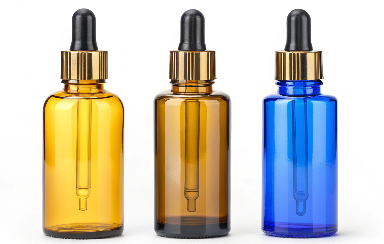
Dark bottles, like amber or cobalt blue, block UV light and slow oxidation, which helps maintain the essential oil’s therapeutic properties and extends its shelf life.
Dive Deeper: The Chemistry Behind the Glass
Essential oils are volatile organic compounds—they evaporate quickly and react easily with air, heat, and light. When exposed to UV rays, these compounds can:
-
Oxidize, becoming less potent
-
Change in scent profile, losing therapeutic value
-
Irritate skin, even when previously safe
-
Evaporate faster, especially top-note oils like citrus or mint
Amber glass, for instance, filters out around 95% of UV light, making it one of the most effective materials for long-term EO storage. Cobalt blue glass also offers some protection and is popular for aesthetic or branding reasons.
At PauPack, we manufacture both amber and cobalt blue essential oil bottles in sizes from 5ml to 100ml, fitted with secure droppers, rollers, and tamper-evident caps. We work with global wellness brands to combine visual appeal with proven product protection.
Can essential oils be stored in clear glass?
Clear bottles may look beautiful—but they're risky.
Essential oils can technically be stored in clear glass, but it’s not recommended, especially for long-term use, because clear glass offers no UV protection.
Dive Deeper: Short-Term vs. Long-Term Use
| Glass Type | UV Protection | Best For | Risk Level |
|---|---|---|---|
| Amber Glass | ★★★★★ | All essential oil storage | Very Low |
| Cobalt Blue | ★★★★☆ | Decorative packaging, short term | Low |
| Clear Glass | ☆☆☆☆☆ | Sample displays, quick turnover | High |
If you're sampling oils at a trade show or giving away tester kits, clear glass may work—as long as the product is used within a few weeks and stored properly. But for retail or wholesale inventory, amber is always the smarter choice.
At PauPack, we advise clients using clear glass to apply UV-blocking shrink sleeves or store the products in boxes. For our refill clients, we also provide bulk dark bottles with branded labels, making safety part of the design from day one.
Why are essential oils often stored in dark glass bottles? Explain why this is important.
Because protecting quality starts at the molecular level.
Essential oils are stored in dark glass because their molecules are highly sensitive to light, which accelerates degradation. This affects not just scent but therapeutic efficacy and safety.
Dive Deeper: Why Light Is the Silent Destroyer
1. Breakdown of Constituents
Many essential oils contain compounds like linalool, limonene, and menthol, which are vulnerable to photo-oxidation. Once broken down, these molecules lose their intended effects—whether that’s calming nerves, relieving pain, or easing inflammation.
2. Loss of Aromatic Integrity
Once degraded, oils may smell “off”—like sour, metallic, or flat versions of their original profiles. That’s a nightmare for perfumers or skincare brands that rely on scent harmony.
3. Increased Allergenic Risk
Oxidized oils can irritate skin, even if they were previously hypoallergenic. This is especially dangerous in massage oils, roll-ons, or skincare serums.
That’s why at PauPack, we use ISO 9001-certified glass and ensure every EO bottle includes a tight seal and optional shrink-wrap to lock out both oxygen and light. From wellness spas to online retail, our packaging solutions help brands deliver products that stay safe, effective, and luxurious.
What color bottle is best for essential oils?
Not all colors are created equal.
Amber glass bottles are the best choice for essential oils due to their superior UV protection, followed by cobalt blue and opaque black glass.
Dive Deeper: Comparing Bottle Colors
| Bottle Color | UV Blocking Power | Common Use |
|---|---|---|
| Amber | ★★★★★ | All-purpose EO packaging |
| Cobalt Blue | ★★★★☆ | Decorative kits, gifting lines |
| Opaque Black | ★★★★★ | Premium blends, light-sensitive oils |
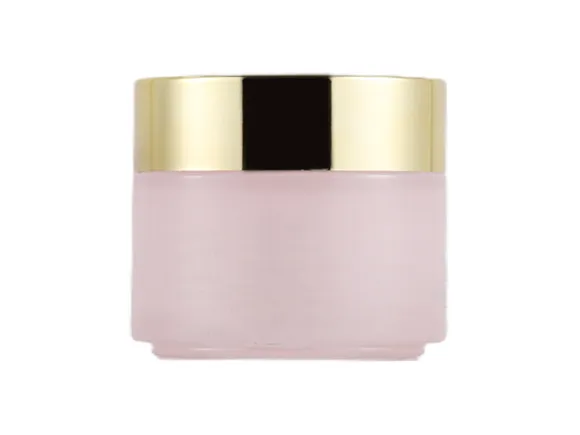
| Frosted Glass | ★★☆☆☆ | Cosmetic appeal, short-term use |
| Clear Glass | ☆☆☆☆☆ | Sample/tester use only |
Some brands also choose colored coatings or printed labels to add another layer of UV defense. At PauPack, we offer custom UV-coating options in matte, gloss, and gradient effects to combine function with flair.
Need a signature look? Our team helps develop custom bottle shapes, colors, and branding to align your packaging with your product philosophy—whether you’re minimalist, luxury, or all about sustainability.
Conclusion
Essential oils are stored in dark glass bottles for one simple reason: to preserve their quality. From UV protection to oxidation resistance, amber and cobalt bottles do more than hold product—they protect your formula, your brand, and your customer experience.