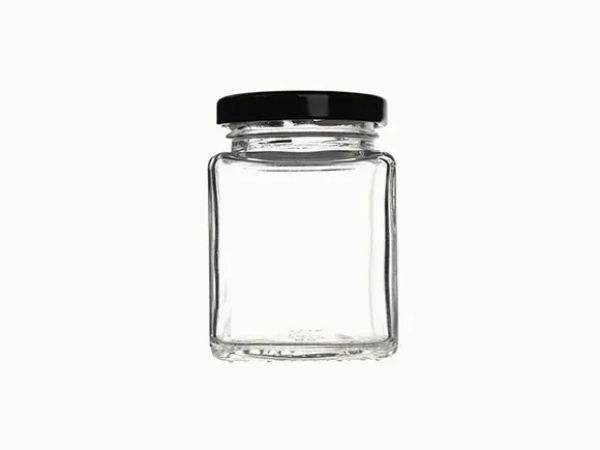



A cosmetic jar can look perfect on a shelf and still be the wrong package for a formula. The more useful question is not whether the glass is attractive. It is whether the formula, jar, liner, cap, decoration and opening routine remain stable together. A jar compatibility test turns that question into evidence before a buyer commits to a mold, a finish or a long production run.
PauPack uses a staged review for skincare brands that need a clear decision. First, define what the formula can change. Next, expose the complete pack to the intended use. Finally, preserve the exact combination that earned approval. This approach keeps a cosmetic packaging compatibility test practical without pretending that one short trial can prove every future SKU.
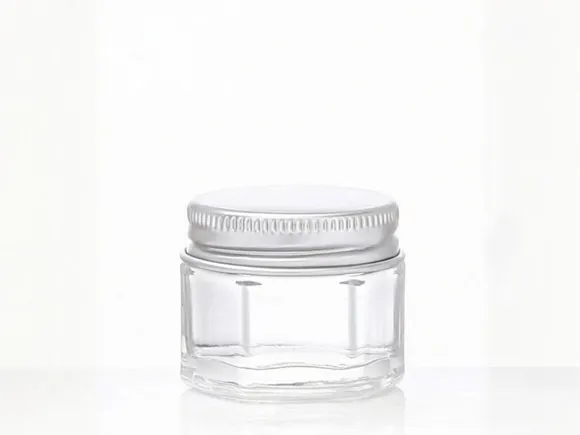
Start With a Compatibility Map, Not a Sample Request
Before requesting ten empty jars, write down the system. Name the formula or a justified surrogate, fill mass, headspace, target shelf period, opening frequency, storage range, markets, closure, liner, decoration and cleaning process. Then list the failure that would matter most: swelling, softening, odor transfer, color change, leakage, cap stress, label lift or a change in the product's user experience.
| Interface | What can change | What to observe | Decision owner |
|---|---|---|---|
| Formula to glass | Color, clarity, odor, residue or visible surface change | Baseline and aged photos, mass, appearance notes | Formula and quality teams |
| Formula to liner | Compression set, odor, adhesion or extractable concern | Liner position, seal condition, product contact area | Packaging and technical teams |
| Closure to finish | Cross-threading, torque drift, loose fit or damaged rim | Application, opening, reclosing and leak observations | Packaging engineering |
| Decoration to use | Rubbing, solvent attack, fading or label lift | Edges, contact zones and filled-pack handling | Quality and brand teams |
| Pack to routine | Messy access, difficult scooping or unstable placement | Real user actions with the real fill level | Product and human-factors owners |
This map prevents a common shortcut: approving the jar body while leaving the closure and user routine as assumptions. PauPack keeps the component codes beside the test notes so a later sample can be compared with the same system.
Choose the Test Route by Risk
A jar compatibility test should answer a decision, not create a decorative laboratory ritual. Use a short screen when the formula and package are familiar. Use a broader program when the formula is new, the closure has a new liner, the product contains volatile fragrance, or the pack will face a long storage and distribution cycle.
Route 1: Empty-pack screening
Begin with empty jars, liners and caps from identified lots. Check dimensions, rim condition, closure engagement, liner seating, decoration, label area and the feel of opening and reclosing. This route cannot prove formula compatibility, but it can remove a bad interface before product is filled.
Route 2: Filled-pack observation
Fill representative units with the production-intent formula whenever practical. Record fill weight, headspace, closure application, start date and storage orientation. Observe the pack at planned intervals and after repeated opening. A filled unit often reveals cap movement, liner marks, odor transfer or product residue that an empty sample cannot show.
Route 3: Confirmatory evidence
When the result affects a regulated claim, a sensitive formula or a major launch, define the additional analytical work with the responsible technical owner. A supplier can coordinate samples and retain identities, but the formula owner decides which compatibility, stability or regulatory evidence is sufficient.
Run a Three-Stage Jar Compatibility Test
Stage A: Baseline the system
Photograph the jar, closure, liner, label and filled product before exposure. Record component codes, lot references, dimensions, mass, fill, headspace, closure setting and decoration revision. Keep a control unit in the same environment as the test units. Without a control, small changes become difficult to interpret.
Measure what will support a decision. Examples include filled mass, closure position, leak status, label edge condition, product color and the presence of visible residue. Do not collect numbers that have no owner or acceptance rule.
Stage B: Challenge the intended use
Place units in the storage conditions that represent the commercial brief. Include the orientation and opening pattern that a buyer actually expects. If the product is scooped daily, repeat that action with clean and normal user handling. If the jar is sold as a premium gift item, inspect the decorated pack after handling and packing rather than evaluating an untouched display sample.
Track the first meaningful change, not only the final photograph. A liner that moves on the third opening, a cap that loses engagement after repeated use, or a fragrance note that remains in the closure can each change the release decision.
Stage C: Diagnose and close
Compare exposed units with controls, then separate observation from interpretation. “Cap feels loose” is an observation. “The liner was compressed by an unmatched finish” is a hypothesis that needs evidence. Keep the old and revised configuration side by side when a change is made.
Use Failure Modes to Decide the Next Experiment
| Observed issue | Likely interface to inspect | Useful next check | Do not assume |
|---|---|---|---|
| Product odor appears in the cap | Liner, resin, coating or headspace | Compare control, liner variant and contact duration | That the glass body caused the odor |
| Oil film remains on the rim | Opening geometry, wiper action or filling process | Review fill height, wipe method and closure seating | That a tighter cap will solve it |
| Label lifts at the shoulder | Curvature, adhesive, condensation or decoration process | Inspect filled-pack handling and surface preparation | That the artwork file is the only variable |
| Cap rocks after use | Neck finish, liner thickness or application setting | Measure engagement and compare identified closures | That all caps of the same color match |
| Product color shifts | Formula, light exposure, glass color or surface contact | Compare stored controls and defined exposure conditions | That amber or clear glass alone proves protection |
This is where a jar compatibility test earns its value. It narrows the next action instead of turning every failure into a request for a completely new package.
Keep the Closure in the Same Evidence Boundary
The jar and cap should be treated as a named pair. Record finish geometry, liner material, application method, installed height and supplier identity. A different liner can change the result even when the cap shell looks identical. A different neck can change opening torque, sealing contact and the amount of product left on the rim.
For medicinal products, the FDA's container-closure systems guidance emphasizes product-specific information and complete system boundaries. Cosmetic brands should still use the same disciplined habit: define the exact product, component pair and conditions before drawing a broad conclusion. For pharmaceutical glass, USP General Chapter <660> Containers-Glass is an example of why material identity and intended use must stay connected.
PauPack can organize jars, closures, samples and supplier documents. The product owner and qualified technical or regulatory specialists decide which tests and acceptance criteria apply to the finished product.
Decorated Jars Need a Separate Use Review
Decoration is part of the compatibility boundary when it touches hands, labels, cartons, solvents or the product environment. Review print adhesion, coating edges, abrasion, color reference and any area that can contact the formula or closure. A jar can pass a formula screen and still fail when the decorated pack rubs inside a case.
Inspect the pack after filling, closing, wiping, labeling and packing. Keep a physical production-intent master with the approved artwork and component codes. The master is a reference for future reorders, not a substitute for a controlled change review.
Turn Results Into a Release Packet
A useful compatibility file is short enough to use and complete enough to trace. PauPack recommends keeping these items together:
- Formula or surrogate identity, fill, headspace and storage conditions.
- Jar, closure, liner, decoration, label and carton codes with revisions.
- Baseline photographs, control units and exposure observations.
- Opening pattern, application settings and any measured changes.
- Failure photographs with location, date and sample identity.
- Acceptance decision, open actions, owner and re-evaluation triggers.
This packet helps a buyer answer the next commercial question: can the approved configuration be repeated? If the glass source, mold, liner, supplier, formula, fill, decoration or route changes, reopen the affected review rather than silently substituting a similar component.
Compare the Cost of Evidence, Not Only the Jar
The cheapest empty jar is rarely the cheapest released package. Add the cost of compatible closures, samples, filling trials, decoration checks, retained units, testing, rework and possible write-offs. A smaller early screen can be economical when it removes an unmatched interface before tooling or bulk purchase.
PauPack can connect a jar compatibility test with the right jar range, closure options, decoration route and quality records. Review our cosmetic jar solutions, quality management process and packaging services when the test boundary is clear. For a project brief, send the product, fill, target market, intended use, closure needs, decoration, forecast and required evidence through our inquiry page.
What a Decision-Ready RFQ Should Say
Do not write “standard cosmetic jar” and expect a reliable compatibility answer. State the formula family, nominal fill, target use period, opening pattern, storage, closure preference, decoration, forecast, sample quantity, test owner and launch window. Mark what is known, what is provisional and what still needs a technical decision.
A clear brief lets PauPack suggest a test route without converting a catalogue match into an approval. It also gives the buyer a record that can be reused when a second size, color or closure enters the range.
Questions Buyers Ask About Jar Compatibility
What does a jar compatibility test prove?
It provides evidence about an identified formula, jar, closure, liner, decoration and set of conditions. It does not automatically approve every size, supplier, formula variation or storage route.
Can an empty jar pass a jar compatibility test?
An empty review can confirm physical fit, finish, decoration and handling risks. Formula interaction requires filled units or a technically justified surrogate.
How long should a cosmetic jar compatibility test run?
The responsible formula and quality owners should set duration from the intended use period, storage risk and decision. A short screen is not the same as a stability program.
Should the cap be tested with the jar?
Yes. The closure, liner and finish form the working interface. Testing the jar body without the intended cap can miss leakage, torque and residue problems.
What is a jar compatibility test for oily creams?
It is a filled-pack review that pays attention to residue, liner contact, odor, color, rim cleanliness, closure movement and repeated opening under defined conditions.
Can PauPack set the acceptance criteria?
PauPack can help organize observations and supplier evidence. The product owner and qualified technical or regulatory specialists should approve criteria for the actual formula and market.
Does amber glass automatically protect a cosmetic formula?
No. Color is a description. Any light-protection claim should be tied to the identified glass or finish, exposure condition and product-specific evidence.
When should a jar compatibility test be repeated?
Review the result when the formula, glass source, mold, liner, closure, supplier, fill, decoration, storage route or intended market changes beyond the approved boundary.
What samples should a buyer retain?
Retain the approved filled jar, closure, liner, label, carton and packed configuration when practical. Link the physical master to the current drawings, codes and decision record.
What should I send PauPack for a compatibility review?
Send the formula description or surrogate plan, fill, use period, storage, target market, jar size, closure, decoration, forecast, known concerns and the evidence your technical team needs.
Short answer: a successful jar compatibility test is a documented decision about one complete package under stated conditions. PauPack helps buyers keep that decision tied to the formula, the component pair and the next reorder.