

Tienes tus aceites esenciales almacenados en una botella de vidrio oscuro, con un comienzo. Pero, ¿cuánto tiempo puede contar con ellos para mantenerse potentes, fragantes y efectivos?
Los aceites esenciales pueden durar 1 a 8 años en una botella de vidrio oscuro, dependiendo del tipo de aceite, las condiciones de almacenamiento y la calidad de la botella. Los aceites de cítricos se degradan más rápido, mientras que las resinas y los bosques duran más tiempo.
Desglose lo que afecta la vida útil, por qué importan las botellas oscuras y cómo saber cuándo es el momento de reemplazar sus aceites.

¿Deberían mantenerse los aceites esenciales en botellas oscuras?
Absolutely—this is non-negotiable if you want to protect your oils.
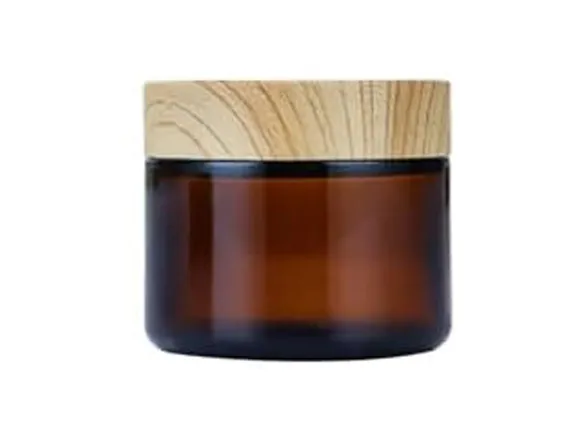
Essential oils must be stored in dark bottles—typically amber or cobalt blue—to shield them from UV light, which causes oxidation and loss of potency.
Why Dark Bottles Matter:
| Tipo de botella | UV Protection | Recommended For |
|---|---|---|
| Amber Glass | Excellent (~99%) | All essential oils |
| Cobalt Blue Glass | Good | Aesthetic products with light protection |
| Clear Glass | None | Short-term use or display only |
At PauPack, we supply amber and cobalt essential oil bottles that are not only UV-protective, but also customizable with logo printing, leak-proof droppers, and reducer inserts—ideal for wellness brands who value both function and presentation.
How long do essential oils last in the bottle?
It depends on the oil and the conditions—but good storage pays off.
Essential oils typically last 1 to 5 years in the bottle, but some like patchouli, sandalwood, or frankincense can remain usable for over 8 years if stored properly.
Shelf Life by Oil Type:
| Tipo de aceite | Estimated Shelf Life |
|---|---|
| Citrus (lemon, orange) | 1–2 years |
| Floral (lavender, rose) | 2–3 years |
| Herbal (tea tree, eucalyptus) | 3–4 years |
| Wood/Resin (sandalwood, frankincense) | 6–8 years |
Pro Tip: Label your bottles with the purchase or open date. If you’re selling to customers, provide a shelf life guide as part of your packaging—something we often help clients do at PauPack via printed labels and inserts.
What is the 30 50 20 rule for essential oils?
This isn’t a strict scientific formula, but a handy storage and blending guideline.
The 30/50/20 rule is an informal guideline for essential oil use: 30% maximum oil in a blend, store in 50% humidity or lower, and leave 20% space in the bottle for air circulation.
30/50/20 Breakdown:
-
30%: Do not exceed this concentration in any blend without proper dilution (especially for skincare).
-
50%: Store in environments with humidity under 50% to prevent bottle degradation or label damage.
-
20%: Leave headspace in your bottles for air expansion/contraction to avoid leaks.
These numbers are about best practice, not exact science—but they help reduce oxidation, preserve fragrance, and avoid waste.
Why did my essential oil turn black?
If your oil changed color, it’s a red flag—but not always a total loss.
Essential oils may turn black or darker due to oxidation, exposure to light, contamination, or heat degradation.
Common Reasons for Color Change:
| Cause | Description |
|---|---|
| Oxidation | Exposure to oxygen breaks down molecules, darkening the oil |
| Light Damage | UV rays can alter color, especially in citrus oils |
| Contamination | Water, dirt, or poor packaging can spoil oils |
| Heat Exposure | High temps degrade compounds and change scent/color |
If the oil smells sour, rancid, or “off,” it’s time to discard it. That’s why PauPack’s amber glass bottles are designed for long-term protection with airtight seals and anti-leak droppers—so your oils stay as pure as when you bottled them.
conclusión
Stored in a dark glass bottle under the right conditions, essential oils can stay fresh and powerful for years. It's not just about aesthetics—proper packaging is preservation.