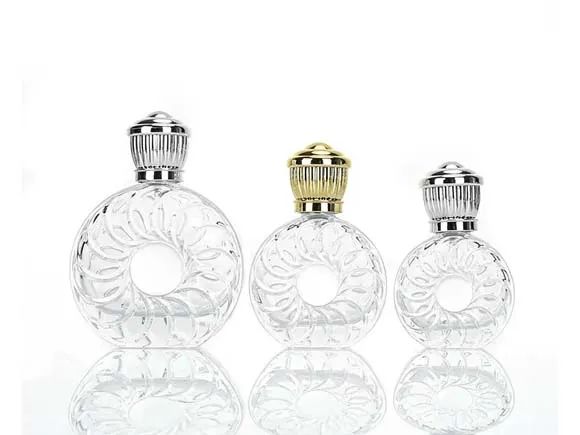


Ever wondered why herbal tinctures always come in tiny glass dropper bottles instead of plastic ones? It’s not just about tradition—it’s about chemistry, stability, and trust.
Tincture bottles are usually made of glass because it’s non-reactive, impermeable, and offers superior protection from air, moisture, and UV light, preserving the potency and purity of the contents.
Let’s explore why glass remains the gold standard in tincture packaging and how that decision affects product quality and brand credibility.
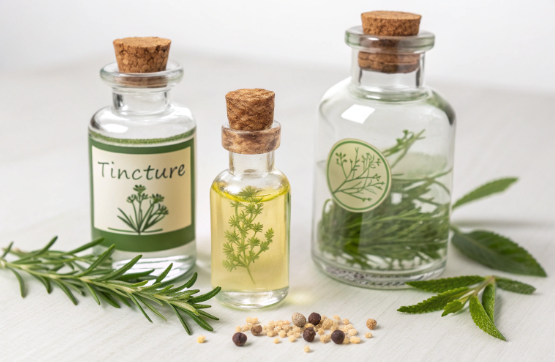

Can you put tinctures in plastic bottles?
Plastic might be cheaper and lighter, but is it safe for alcohol-based tinctures?
Technically yes, but storing tinctures in plastic is not recommended because alcohol and plant compounds can degrade plastics over time, leading to leaching and contamination.
Dive Deeper: Why plastic isn't the right match for tinctures
Most tinctures are alcohol-based, which acts as a solvent. That’s great for extracting plant compounds—but it also means it can dissolve certain plastics. Over time, this can cause the container to weaken or leach unwanted chemicals into the tincture.
Comparison of Material Properties:
| Material | Alcohol Resistance | Risk of Leaching | Best For |
|---|---|---|---|
| PET Plastic | Moderate | Medium | Temporary storage |
| HDPE Plastic | Better | Low | Short-term use |
| Glass | Excellent | None | Long-term, safe storage |
At PauPack, we only recommend glass bottles for tinctures. Our amber and cobalt blue dropper bottles are lab-tested for alcohol resistance and are used widely in both herbal wellness and pharmaceutical-grade packaging.
Why are specimen bottles made of glass?
In laboratories and clinics, glass has long been the material of choice. But why?
Specimen bottles are made of glass because it’s inert, non-porous, and allows for sterilization without chemical interaction—making it ideal for preserving biological integrity.
Dive Deeper: The science of glass in specimen storage
When it comes to storing samples—be it medical, botanical, or chemical—contamination is the enemy. Glass doesn’t absorb liquids or leach chemicals. It also withstands autoclaving, UV exposure, and cold storage.
Advantages of Glass Specimen Bottles:
-
Non-reactive: No interaction with acids, alcohols, or organic matter.
-
Sterilizable: Can be boiled or autoclaved without structural breakdown.
-
Transparent: Allows visual inspection of contents without opening.
That’s why many tincture brands follow pharmaceutical practices when choosing their packaging. At PauPack, we apply similar principles in our quality assurance—supplying clients who demand clinical-grade packaging for high-value extracts.
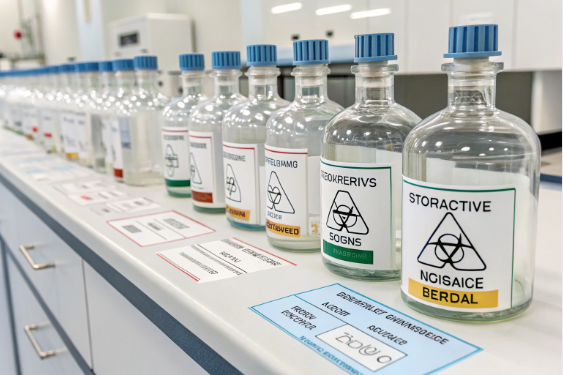
Why are some meds in glass bottles?
You may have noticed high-value medications, injectable drugs, or sensitive serums in glass containers. That’s not a coincidence.
Some medications are stored in glass bottles to prevent chemical reactions, preserve drug stability, and meet sterile packaging requirements.
Dive Deeper: When glass is the pharmaceutical choice
Many modern drugs, especially those involving hormones, proteins, or biologics, require packaging that won’t interfere with their molecular structure. Plastic can absorb, degrade, or destabilize these compounds over time.
Why Pharma Chooses Glass:
| Feature | Benefit |
|---|---|
| Airtight seal | Prevents oxidation |
| No absorption | Accurate dosage |
| Heat resistance | Allows sterilization |
| Inert material | Safe for long-term use |
Whether it’s a tincture or a high-grade injectable, glass simply performs better. PauPack offers pharmaceutical-grade dropper bottles for wellness brands that prioritize safety, compliance, and visual credibility.
What is the point of glass bottles?
Glass seems old-school—but it keeps getting chosen. Why?
The point of using glass bottles is to ensure purity, stability, and sustainability—glass is recyclable, doesn’t degrade over time, and offers unmatched protection for sensitive liquids.
Dive Deeper: Glass as a brand and quality signal
In the B2B and retail space, glass also signals premium quality. Consumers trust it more. It’s heavier, more tactile, and more visually appealing on the shelf. For sustainable brands, it’s also a step toward lower carbon footprints, especially when combined with refillable or recyclable designs.
Glass vs. Plastic—Brand Perspective:
| Factor | Glass | Plastic |
|---|---|---|
| Perception | Premium | Budget |
| Recyclability | High | Variable |
| Barrier Protection | Excellent | Moderate |
| Shelf Appeal | High-end look | Functional |
At PauPack, we help beauty and wellness brands elevate their product image by offering custom glass tincture bottles in various shapes, sizes, and finishes. From matte black for a modern apothecary look to classic amber for UV protection—we ensure function meets form.
Conclusion
Glass isn’t just packaging—it’s protection, preservation, and a promise of quality. That’s why tinctures belong in glass bottles, and that’s why smart brands keep choosing them.