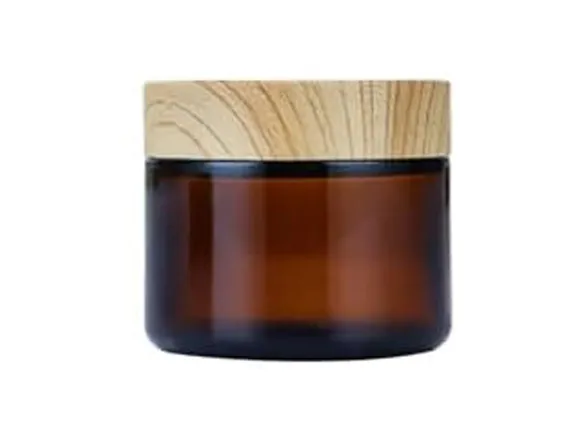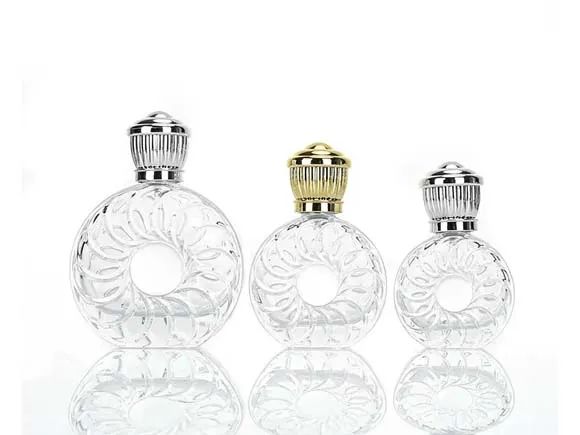


It’s one of the first things you notice when shopping for essential oils: the bottles are almost always brown or blue. This isn’t a trend—it’s a necessity.
Essential oils are stored in dark glass bottles to protect them from light exposure, especially ultraviolet rays, which can degrade the oils’ chemical composition, potency, and shelf life.
At PauPack Bottles, we help wellness brands worldwide choose the right essential oil packaging—not just for looks, but for long-term product stability and brand trust.
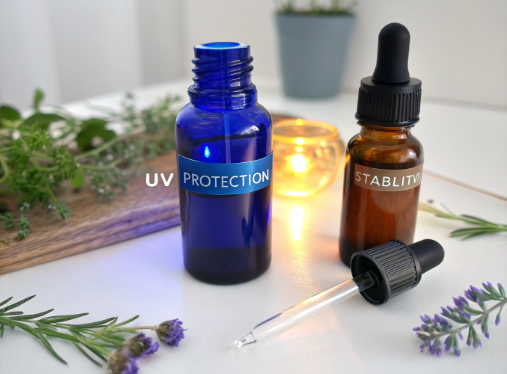

Why use dark bottles for essential oils?
Essential oils are delicate. Expose them to too much light, and their chemistry changes—fast.
Dark bottles protect essential oils from ultraviolet (UV) and blue light that accelerate oxidation and chemical breakdown.
Essential oils contain volatile compounds like monoterpenes and esters that are highly sensitive to environmental factors. When exposed to light:
-
Citrus oils (like lemon and orange) oxidize within days
-
Therapeutic efficacy declines
-
Scent profile alters, creating off-notes
-
Shelf life shortens drastically
Quick Comparison: Clear vs Dark Glass
| Feature | Clear Glass | Amber Glass | Cobalt Blue Glass |
|---|---|---|---|
| UV Protection | None | Excellent (90%+) | Moderate (~50–60%) |
| Shelf Life of Essential Oils | 3–6 months max | 2–5 years | 1–2 years |
| Visual Appeal | High | Natural/Apothecary | Premium/Niche |
PauPack supplies both amber and cobalt bottles in bulk, but we always recommend amber glass for sensitive essential oils, especially for B2B brands that ship globally or sell online.
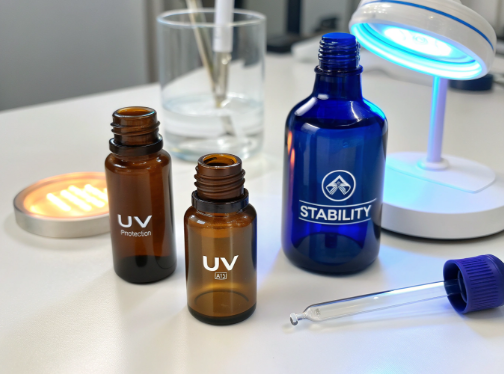
Can essential oils be stored in clear glass?
Yes—but only with caution, and usually temporarily.
Clear glass may be used for short-term storage or tester/display units, but it’s not recommended for long-term essential oil preservation.
While clear bottles may match certain minimalist or clinical branding aesthetics, they provide zero UV protection. Unless combined with protective secondary packaging (like cardboard boxes), oils inside are vulnerable to chemical degradation.
When Is Clear Glass Acceptable?
| Use Case | Is Clear Glass Suitable? | Precaution Needed |
|---|---|---|
| Storefront Testers | Yes | Replace often, avoid window exposure |
| Short-term Sample Kits | Possibly | Use cushioned, opaque outer packaging |
| Long-term Storage or Retail | No | Not safe for oxidation-sensitive oils |
We’ve worked with indie brands who initially launched with clear bottles, only to receive complaints about “off-smelling” products just weeks after shipping. After switching to amber or cobalt bottles, product integrity dramatically improved.
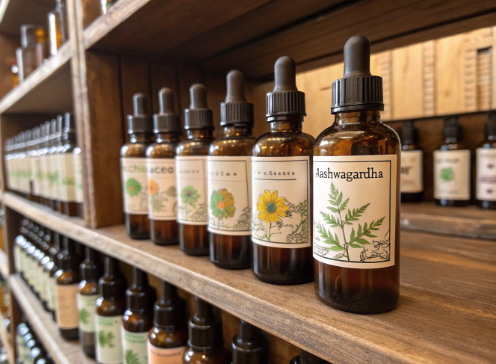
What color bottle is best for essential oils?
It depends on your oil’s chemistry, storage conditions, and branding—but amber glass remains the gold standard.
Amber offers the highest protection against UV rays, followed by cobalt blue for niche appeal. Green glass and clear are least protective and best used with caution.
Glass Color Breakdown
| Bottle Color | UV Protection Level | Brand Aesthetic | Best Used For |
|---|---|---|---|
| Amber | Excellent | Apothecary/Natural | All essential oils, citrus oils |
| Cobalt Blue | Moderate | Premium/Wellness | Mid-sensitivity oils, niche brands |
| Green | Low | Eco/Nature branding | Outer packaging must protect |
| Clear | None | Minimalist/Clinical | Not recommended for long-term use |
Some of our top-selling PauPack combinations include:
-
Amber 15ml dropper bottles for lavender, peppermint, frankincense
-
Cobalt 10ml rollers for menthol or travel-friendly blends
-
UV-coated clear glass for boxed skincare blends (layered protection)
Our customization service also includes gradient color spraying, frosted amber, or bamboo collars—balancing functionality with visual impact.
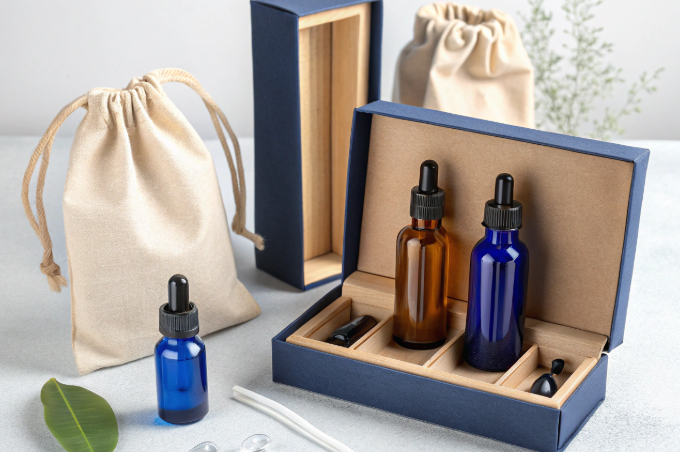
Why are essential oils often stored in dark glass bottles explain why this is important?
Let’s get into the science—and why it matters for your customer satisfaction and your bottom line.
Dark glass protects essential oils from photo-oxidation, which can change the chemical structure, therapeutic benefits, and fragrance of the oils.
Here’s what can happen to essential oils without UV protection:
| Light-Induced Reaction | Impact on Essential Oil | Risk for Brands |
|---|---|---|
| Oxidation of monoterpenes | Loss of efficacy | Less effective blends |
| Breakdown of esters | Unpleasant odor changes | Customer returns, poor reviews |
| Yellowing or thickening | Visual degradation | Perceived as old or contaminated |
| Leaching in plastic + light | Contamination | Non-compliance with regulations |
Why this matters for B2B buyers
-
Regulatory Compliance: In markets like the EU or USA, certain labeling and packaging standards indirectly require light-safe storage for essential oils.
-
Longer Shelf Life: Products kept in dark glass can retain full therapeutic properties for up to 2–5 years, depending on the oil.
-
Reduced Customer Complaints: Most feedback about “spoiled” oils, especially citrus, traces back to improper light protection during storage or transit.
At PauPack, we design packaging systems that protect not just the product—but also the reputation of the brand behind it. We’ve helped over 200 global clients switch from light-leaking designs to fully sealed, UV-safe bottle solutions with better customer feedback and fewer returns.
Conclusion
The color of your bottle directly affects the quality of what’s inside. For essential oils, dark glass is your shield against spoilage, scent loss, and product complaints.
Amber or cobalt glass isn’t just a packaging decision—it’s product insurance.