

Looking for a natural pick-me-up that also soothes your stomach and clears your mind? Peppermint essential oil might be the most versatile weapon in your wellness toolkit.
You can buy complimentary peppermint essential oil from trusted suppliers that offer pure, therapeutic-grade oils—often as part of bundle kits or first-order samples for B2B customers.
At PauPack, we help brands source and bottle essential oils, including peppermint, for everything from aromatherapy rollers to functional skincare. If you’re looking for where to find reliable, possibly complimentary peppermint oil samples, read on—we’ll cover quality checks, health notes, and surprising use cases (including pest control!).
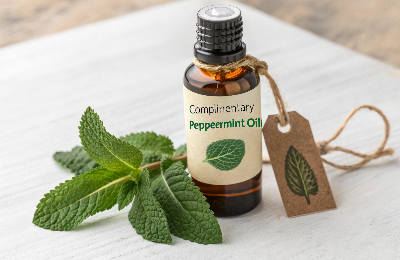

Is There a Difference Between Peppermint Oil and Peppermint Essential Oil?
Same plant, different product—and the difference matters.
Yes, peppermint oil and peppermint essential oil are different: the former may be diluted or food-grade, while the latter is highly concentrated and extracted directly from peppermint leaves through steam distillation.
Key Differences:
| Feature | Peppermint Oil | Peppermint Essential Oil |
|---|---|---|
| Purity | May contain carrier oils | 100% pure concentrated extract |
| Usage | Flavoring, topical blends | Aromatherapy, diffusers, massage |
| Extraction | May be cold-pressed or blended | Steam distilled only |
| Intensity | Milder | Very potent |
| Price | Lower | Higher (due to purity) |
So when a supplier offers you a “complimentary peppermint oil,” always ask: Is this the essential oil, or a diluted blend? At PauPack, we only use and recommend pure essential oils for our roller bottle and dropper packaging solutions—giving our clients full control over dilution and formulation.
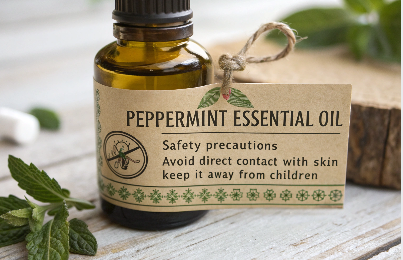
Who Should Not Use Peppermint Essential Oil?
As powerful as it is, peppermint isn’t for everyone.
People with sensitive skin, pregnant women, young children under 6, or individuals with certain respiratory conditions should avoid peppermint essential oil unless directed by a healthcare professional.
When to Be Cautious:
-
Topical use on infants/children can cause breathing issues
-
Pregnancy or breastfeeding – may disrupt milk production
-
G6PD deficiency – peppermint may trigger adverse reactions
-
Heartburn or GERD – oral peppermint may worsen symptoms
Best Practices:
-
Always dilute with a carrier oil like jojoba or sweet almond.
-
Perform a patch test before full application.
-
Avoid contact with eyes, nostrils, and broken skin.
At PauPack, we support brands in customizing warning labels and user instructions for essential oil packaging. Whether you’re offering 10ml sample rollers or 30ml glass droppers, clear messaging builds trust—and avoids misuse.
Does Peppermint Oil Really Keep Mice Away?
Surprisingly, yes—and customers love this added benefit.
Peppermint oil contains menthol, which irritates the nasal passages of rodents, making it a popular natural repellent against mice and even spiders.
How It Works:
-
Menthol is overpowering for rodents’ sensitive smell receptors.
-
Regular application of oil-soaked cotton balls in problem areas deters nesting and activity.
How to Use It:
-
Place 2–3 drops on cotton balls.
-
Leave near baseboards, cabinets, or known entry points.
-
Refresh every 3–5 days for best results.
While not a guaranteed solution for major infestations, peppermint essential oil is a non-toxic first line of defense many homeowners and eco-friendly brands endorse.
Some of our clients include it in home care bundles (paired with glass spray bottles and labels) that align with natural lifestyle branding. Our amber or frosted spray bottles with precision nozzles are ideal for these multi-use formulations.
What Does Putting Peppermint Oil on Your Stomach Do?
It’s not just folklore—there’s science behind the soothing.
Applying diluted peppermint essential oil to your abdomen can help relieve digestive discomfort, reduce bloating, and ease cramping due to its antispasmodic and cooling properties.
Benefits:
-
Soothes IBS symptoms: Helps relax intestinal muscles
-
Reduces bloating and gas: Promotes smoother digestion
-
Relieves menstrual cramps: When used with circular massage
How to Apply:
-
Mix 2 drops peppermint EO with 1 tsp carrier oil
-
Gently rub on abdomen in a clockwise motion
-
Apply 2–3 times a day as needed
This kind of functional aromatherapy is growing fast—especially among younger wellness-conscious consumers. That’s why PauPack offers ready-to-fill roller bottles that allow brands to create pre-diluted peppermint blends for easy, on-the-go relief.
Where Can I Get Complimentary Samples of Peppermint Essential Oil?
Now, back to your original question.
You can often get complimentary peppermint essential oil samples by connecting with B2B essential oil suppliers, wellness wholesalers, or custom packaging providers like PauPack who support private label sampling.
Here’s How:
-
Request a trade sample from essential oil manufacturers
-
Sign up for sample kits from packaging partners who offer pre-filled or blank bottles
-
Visit industry expos or wholesale marketplaces like Alibaba or Faire
-
Collaborate with a private label partner like PauPack—we provide trial-size samples in 5ml or 10ml glass dropper bottles for qualified clients
At PauPack, we often bundle peppermint oil in custom sample kits for new clients exploring roller blends, spray applications, or diffuser refills. These samples are pre-tested in our leak-proof, UV-protected bottles and labeled for full transparency.
Whether you need peppermint oil for skincare, wellness, or even pest prevention—we can help you package it right.
Conclusion
Peppermint essential oil is powerful, versatile, and surprisingly accessible—especially when you know where to look. At PauPack, we offer customizable packaging and sampling solutions to help you source, test, and launch peppermint-based products with confidence.