

They both smell amazing—but only one heals, calms, and connects to nature.
The key difference is purity: essential oils are natural plant extracts, while aroma oils are often synthetic or blended products made for scent only, not therapeutic use.
In the world of beauty, wellness, and aromatherapy, understanding this distinction is essential for product formulation, branding, and safety. If you're creating oil-based skincare, diffusers, or massage blends, knowing what’s in the bottle—and what it’s meant for—can protect your customers and your business.

Is aroma oil the same as essential oils?
Aroma oil might smell like lavender—but it’s not the real deal.
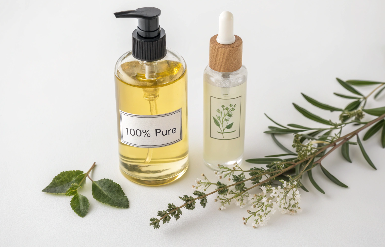
No, aroma oils are not the same as essential oils. Essential oils are 100% pure extracts from plants, while aroma oils are typically made with synthetic fragrances or diluted oils designed for scent rather than therapeutic use.
Dive Deeper: A Quick Comparison
| Property | Essential Oil | Aroma Oil |
|---|---|---|
| Source | Steam-distilled/cold-pressed plants | Synthetic or blended with carrier |
| Purity | 100% pure | Usually diluted or artificial |
| Purpose | Therapeutic, medicinal, skincare | Fragrance and ambiance |
| Skin Safety | Safe if diluted | Usually not safe for skin |
| Cost | Higher | More affordable |
Many customers confuse these terms. That’s why at PauPack, we help brands label and package correctly, using icons, usage guides, and QR codes that clearly indicate whether the product is suitable for skin, diffuser, or air freshening use.
Which is better, fragrance oil or essential oil?
It depends—are you trying to heal, or just smell good?
Essential oils are better for therapeutic and wellness purposes, while fragrance oils are better for consistent, long-lasting scents in candles or air fresheners.
Dive Deeper: Benefits and Limitations of Each
Essential Oils:
-
Sourced from plants (e.g., lavender, eucalyptus, tea tree)
-
Offer real therapeutic properties: calming, antibacterial, anti-inflammatory
-
Can vary in scent from batch to batch due to natural harvesting
-
Costlier due to limited plant yield and extraction process
Fragrance Oils (a.k.a. aroma oils):
-
Man-made, lab-formulated to mimic natural or creative scents
-
Often used in candles, soaps, or room sprays for consistency
-
Not designed for topical use—may contain allergens or hormone disruptors
-
Cheaper, widely available, consistent aroma
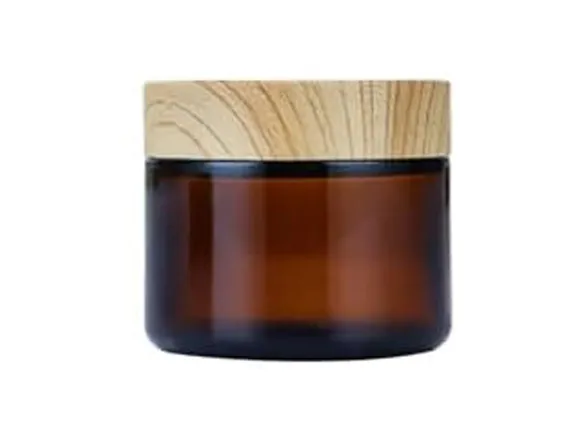
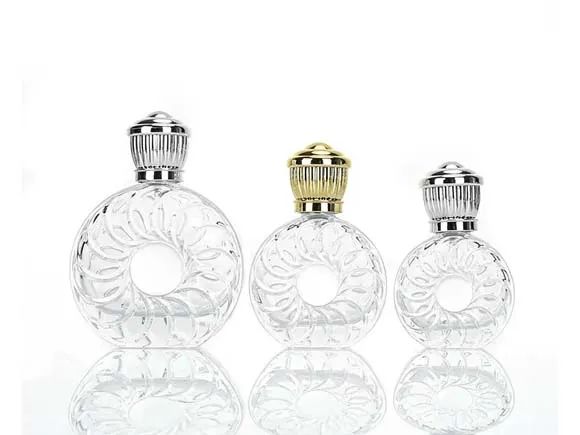
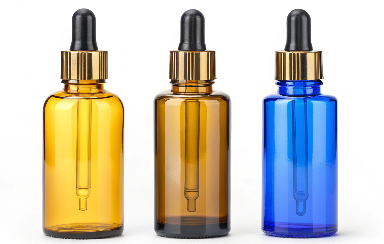
At PauPack, we supply bottles for both categories: diffuser bottles for aroma oils, and amber glass bottles with droppers or rollers for essential oils. For brands using both types, we recommend distinct packaging styles to reduce customer confusion.
What is aroma oil used for?
Aroma oils serve your nose—but not your nerves or skin.
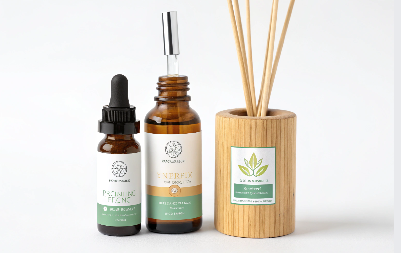
Aroma oils are used primarily for scenting spaces through diffusers, humidifiers, potpourri, or room sprays. They are not intended for skincare or therapeutic application.
Dive Deeper: Common Uses for Aroma Oils
| Use Case | Application Type | Best Product Format |
|---|---|---|
| Room Fragrance | Diffuser or HVAC | Dropper or pre-filled refill |
| Retail/Air Scenting | Commercial diffusers | Aroma cartridges |
| Candle Making | Fragrance blending | Concentrated oil, often synthetic |
| Decor Gifts | Potpourri oils | Small dropper bottles |
Unlike essential oils, aroma oils don't need to follow the same regulatory or purity standards. This makes them more flexible in formulation but riskier when used incorrectly.
We often help clients in the home and lifestyle segment create bulk refill kits, gift boxes, and mist sprays that house aroma oils beautifully—while ensuring the packaging reflects their non-therapeutic nature.
Can aroma oil be used on skin?
Smells great—hurts like hell?
No, aroma oils should not be used on the skin unless they are specifically labeled as safe for topical use. Most aroma oils contain synthetic ingredients that can cause irritation or allergic reactions.
Dive Deeper: Why Skin Safety Matters
Even if an aroma oil smells like eucalyptus or lavender, it may:
-
Contain phthalates or other synthetic stabilizers
-
Lack dilution or proper carrier oils
-
Trigger dermatitis, rashes, or hormonal responses
Always read labels. If a product doesn't list ingredients or claim cosmetic-grade approval, do not apply it to skin.
At PauPack, we guide wellness brands in creating skin-safe essential oil blends, and we help separate them clearly from home fragrance lines by:
-
Using roller bottles with metal balls for skin-safe blends
-
Offering fine mist sprayers labeled “For air use only”
-
Adding icons or warning labels during packaging design
Bonus: How to Tell Them Apart When Shopping or Sourcing
If you're buying oils for personal or business use, here’s how to quickly spot the difference:
| Question to Ask | What to Look For |
|---|---|
| “Is this 100% pure EO?” | Should say Botanical name + origin |
| “Can I use this on skin?” | Should have dilution % and carrier info |
| “What’s the use case?” | Diffuser vs massage vs cosmetic label |
| “Is it too cheap?” | True EOs are rarely cheap in volume |
PauPack offers sourcing guidance and packaging audits for startups and established brands. We help you stay compliant and clear—because quality oils deserve quality packaging.
Conclusion
The difference between aroma oils and essential oils comes down to purity, purpose, and safety. Aroma oils are great for adding scent to a space, but only pure essential oils, diluted correctly, should touch the skin or be used for therapeutic purposes. Knowing—and labeling—the difference keeps your products professional, safe, and trustworthy.